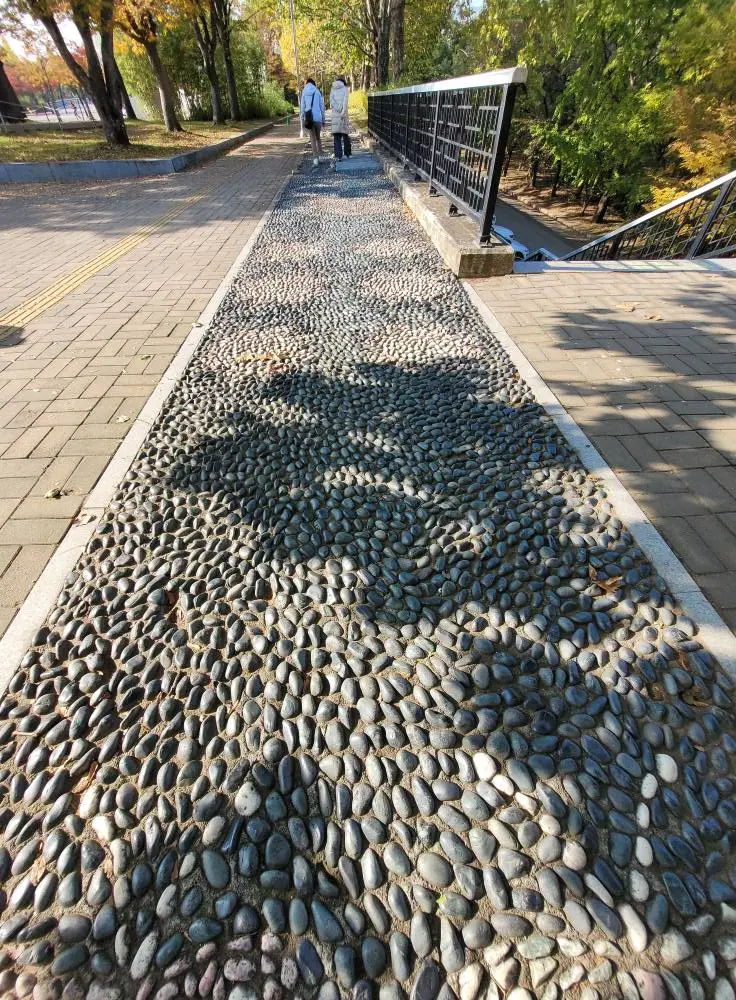
As the new year begins, those planning to move should consider factors beyond just price or school districts. The walkable environment of a neighborhood significantly impacts health and longevity. According to a recent report by the Australian non-profit media outlet 'The Conversation', people who move to neighborhoods with excellent walking conditions walk an average of about 1100 more steps per day, which helps reduce risks of cardiovascular diseases, diabetes, and premature death.
Research teams from Stanford University and the University of Washington analyzed over 2 million moving cases and published these findings in the international journal 《Nature》. The study also found that people living in areas located under flight paths with nighttime noise levels exceeding 55 decibels (dB) have higher rates of sleep disorders and heart disease. Noise has also negatively affected children's attention and learning abilities. In contrast, areas with abundant tree shade were found to lower summer temperatures by 5 to 10 degrees Celsius compared to surrounding areas, reducing heat stress for residents and promoting outdoor activities.
Professor Abbas Rajabifard from the University of Melbourne (Geographic Information Science and Spatial Information Systems) stated in a column for 'The Conversation' that "the walkability of residential areas, noise levels, and green environments are crucial factors that significantly affect health and happiness." Among these three residential environments, walkable living areas have become a key trend in the housing market in South Korea, referred to as 'Slese-gwon'.
Slese-gwon, a combination of slippers and station area... a place close to subway stations and good for walking
Slese-gwon is a term that combines slippers and station area. It refers to regions where residents can live close to subway stations and access various amenities like cafes, convenience stores, and shopping malls on foot while dressed comfortably in slippers. Slese-gwon plays a role in enhancing the overall health of residents by facilitating easy access to public transportation and encouraging walking as part of daily life.
The value of Slese-gwon is also reflected in domestic policies and market indicators. Jeollanam-do has stated that in selecting sites for the '10,000 Won Housing' project, it prioritized locations where young people and newlyweds can enjoy all necessary amenities in slippers, maximizing their living conditions.
In the real estate market, Slese-gwon locations are emerging as strong premium factors. Apartment complexes near major commercial areas like Dongtan in Gyeonggi Province or Seomyeon in Busan are highly preferred because they allow residents to access all shopping and cultural activities on foot.
In fact, analysis of credit card transaction data shows that the proportion of spending within the Slese-gwon area, within a 500m radius of homes, has significantly increased, indicating a shift in lifestyle patterns towards the vicinity of homes. If you are considering moving this year and have some financial flexibility, it is wise to carefully evaluate whether the neighborhood you are considering is safe for walking, has sufficient green spaces, and is free from noise.
[Frequently Asked Questions]
Q1. How much does physical activity actually increase when moving to a neighborhood with good walkability?
A1. According to the research team from the University of Melbourne, moving to an area with excellent walking conditions leads to an average increase of about 1100 steps per day. This significantly reduces the risk of cardiovascular diseases and diabetes.
Q2. What does the term 'Slese-gwon' mean in the real estate market?
A2. It is a term that combines slippers and station area, referring to residential areas where residents can access essential amenities like shopping, cafes, and financial services on foot while dressed lightly. It is increasingly seen as a key criterion for housing choices among single-person households and young people, significantly influencing housing prices.
Q3. Why are temperature and green environments of residential areas directly related to health?
A3. Neighborhoods with abundant tree shade maintain summer temperatures 5 to 10 degrees lower than surrounding areas, reducing heat stress and aiding in restful sleep. In contrast, areas lacking greenery and with high noise levels can deteriorate sleep quality and increase the long-term risk of heart disease.