These days, various supplements are overflowing. Is it because people are not satisfied with foods containing vitamins and other nutrients? Many are supplementing with convenient pills. When vitamins are consumed through food, the risk of side effects from excessive intake is almost nonexistent. However, when taken in supplement form, there is a possibility of excessive intake, so special caution is needed. Let's take another look at supplements in light of recent announcements from health authorities.
Taking Too Much Niacin Supplement Can Lead to Liver Toxicity, Gastrointestinal Disorders, and Flushing
The Ministry of Health and Welfare has revised the '2025 Korean Nutrient Intake Standards', which set the criteria for the appropriate intake of 41 essential nutrients for health promotion, and released it on the 31st of last month. Among these, the recommended daily intake of 'niacin', which is necessary for energy metabolism and belongs to the B vitamin group, has been changed from 6-17 mg NE (2020) to 5-16 mg NE (2025). It has been adjusted to a slightly lower amount. Niacin includes 'nicotinic acid' and 'nicotinamide' and is also known as vitamin B3. When taking high doses of niacin in the form of supplements rather than food, liver toxicity, gastrointestinal disorders, and flushing on the face, arms, and chest may occur.
Foods like Fish and Meat Have Almost No Side Effects... Be Cautious of Excessive Supplement Intake
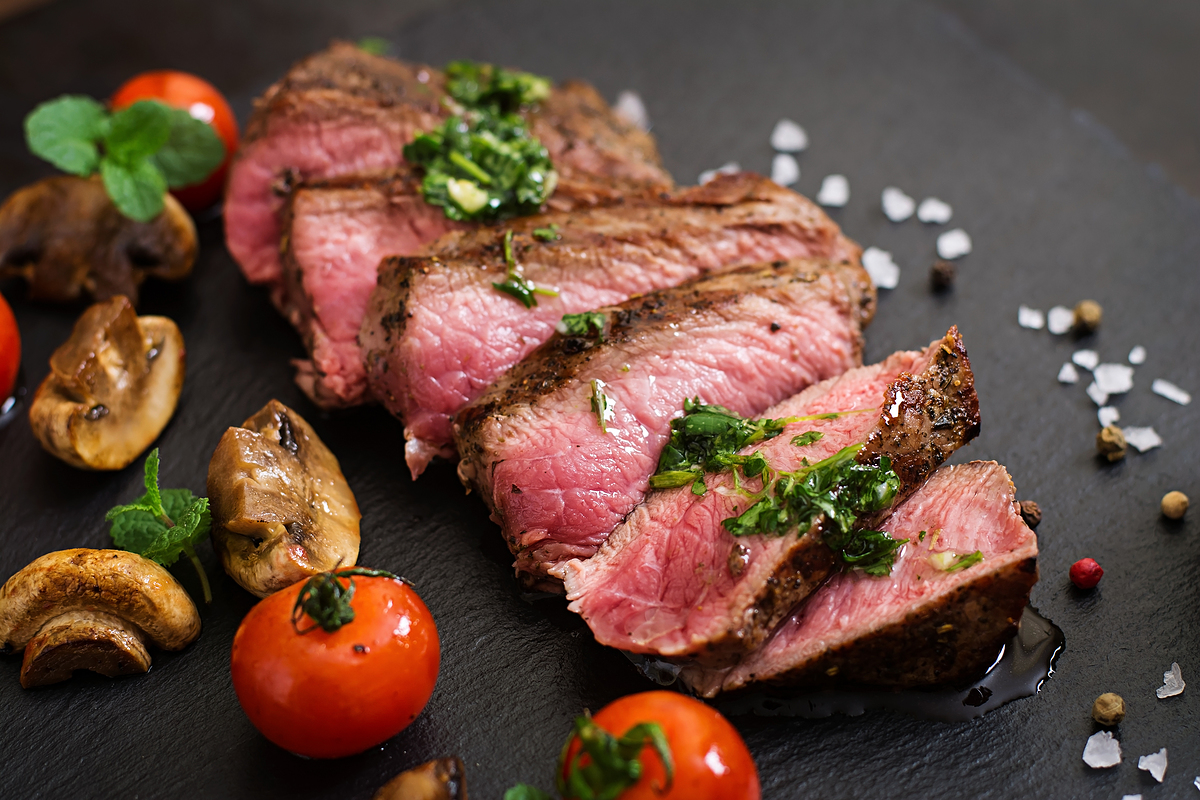
The foods richest in niacin are fish (such as mackerel) and meat (beef, pork, chicken, etc.). It is also found in mushrooms, nuts, and potatoes. Caution should be exercised regarding side effects when taking high doses of nicotinic acid for the treatment of hyperlipidemia (dyslipidemia) or when excessively consuming niacin through vitamin supplements and fortified foods. In the case of nicotinamide, the recommended intake has been adjusted to a slightly lower amount based on the analysis of foreign research trends. This was done to set a safer limit considering harmful reactions. The previous upper limit for nicotinamide has been reduced from 1000 mg NE to 850 mg NE (2025).
Be Cautious of Side Effects from Vitamins A, D, E, K... They Can Accumulate in the Body
Meanwhile, vitamins can be broadly divided into water-soluble (dissolvable in water) and fat-soluble (dissolvable in oil) vitamins. Water-soluble vitamins include vitamin B1, B2, B3, B6, B12, C, and folic acid. They are used by the body as needed, and the excess is excreted through urine, so consuming them in large amounts does not cause significant problems. On the other hand, fat-soluble vitamins such as vitamins A, D, E, and K can accumulate in the body when taken in excess, leading to various side effects. Caution should be exercised not only for deficiencies but also for excessive intake. When vitamins are consumed through food, the risk of excessive intake is almost nonexistent. However, when taken in supplement form, there is a possibility of excessive intake, so special caution is needed.
Women in Their 20s Lack Energy "Eating Too Little"... What's the Reason?
According to an analysis of data from the National Health and Nutrition Survey (2018-2022), most citizens had an average daily energy intake similar to their needs, consuming about 91.9-105.8%. However, women aged 19-29 had an intake ratio of only 86.8% compared to their energy needs, indicating a deficiency. It is presumed that young women eat less due to reasons such as weight management. Among those aged 75 and older, the intake ratio was recorded at 87.7%, indicating a need for more energy intake. It appears that they eat less due to dental issues and gastrointestinal disorders.