In South Korea, a super-aged society, as of October 2025, there are 8,908 people over the age of 100. While the elderly population is increasing, the number of centenarians is also on the rise. How are they living?

Interestingly, most of them suffer from one or more chronic diseases (such as hypertension and diabetes) yet consider themselves "still healthy." A recent study by the Korean Centenarian Research Team at Chonnam National University Hospital (led by Professor Park Kwang-sung) shows that this is not just a simple 'illusion' but a strong indicator of longevity.
Moreover, another factor that supports this is that their activities take place not in gyms but in gardens, and not on treadmills but on village roads. Let's embark on a journey to discover the scientific secrets of centenarians.
The Power of Positivity Adds 7.5 Years to Life... The Special Effect of the Well-Being Paradox
The results from the research team at Chonnam National University Hospital, which surveyed centenarians in Gukoksundam (Gurye, Gokseong, Damyang in Jeonnam + Sunchang in Jeonbuk) and Goheung County, were astonishing. More than half (over 50% in Gukoksundam, 61.9% in Goheung) positively evaluated their health, and they scored below an average of 5 on the depression scale, indicating almost no depressive symptoms. This phenomenon, where objective health indicators and subjective perceptions diverge, is referred to as the 'well-being paradox,' and this situation was precisely replicated here.
This is not a unique phenomenon to Korea. A 2002 study by Professor Becca Levy at Yale University shocked the medical community at the time. It found that people with a positive perception of aging lived an average of 7.5 years longer than those with a negative perception.
This effect persisted even after adjusting for age, gender, income, and functional health status, and was found to have a greater longevity effect than quitting smoking or exercising. A 2023 meta-analysis also concluded that subjective perceptions of aging have a 'small but powerful' impact on health and longevity.
The research team at Chonnam National University Hospital stated, "Chronic stress and depression induce inflammation in the body, accelerating aging, but a positive attitude suppresses this and increases survival rates." Centenarians in 'Blue Zones' like Okinawa and Sardinia consistently cite an optimistic attitude as a key factor in longevity. The old saying, "A positive mind leads to a long life," is being scientifically validated.
Gardens Are Better Than Gyms... The Longevity Secret of 'NEAT'
The daily lives of centenarians in Goheung County are filled with constant movement without any special exercise programs. Tending to gardens, moving around the village, and socializing with neighbors are all forms of physical activity. The researchers analyze that the lifestyle patterns of the rural elderly prevent sarcopenia and increase survival rates.
This aligns perfectly with the concept of 'NEAT (Non-Exercise Activity Thermogenesis),' which has recently gained attention in the medical field. NEAT refers to the energy expended through everyday movements—standing, walking, doing household chores—rather than through intended exercise.
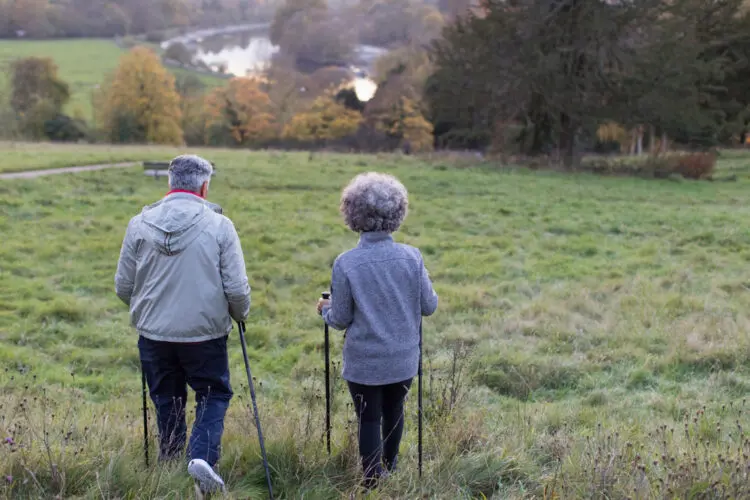
Recent studies also agree that NEAT plays a crucial role in metabolic health and longevity. As urbanization has led to more sedentary lifestyles, NEAT has drastically decreased, resulting in increased obesity and chronic diseases. However, consciously increasing NEAT can have dramatic effects on weight management and lifespan extension.
One of the 'Power 9' principles of longevity in Blue Zones, 'Move Naturally,' is in the same vein. Centenarians in Okinawa and Sardinia choose gardens over gyms and hills over treadmills. Their environments naturally encourage movement, ultimately increasing daily energy expenditure and maintaining cardiovascular health and musculoskeletal strength.
Ultimately, the secrets of centenarians are not grandiose. A positive mindset of "I'm still okay" and the natural steps taken while moving between gardens create a synergy that slows aging and extends lifespan.