

At night, cravings for late-night snacks often arise, and hunger can strike. If you are on a diet, late-night snacks can be the most dangerous variable affecting your weight. If you endure without thinking, it can easily lead to binge eating one day. Recently, rather than completely cutting out late-night snacks, a more realistic approach that reduces the burden of appetite has been gaining attention. Let's explore methods that can be utilized immediately when cravings hit.
Is it Real Hunger? Start with a Warm Cup of Tea
A significant portion of late-night snack cravings stems not from actual hunger, but from fatigue, stress, and habit. Especially late at night, the brain often sends signals of wanting to eat rather than a lack of energy. In such cases, first try drinking a glass of water or warm tea. If the hunger persists after about 10 minutes, it is likely a signal that food is needed. Conversely, if the craving disappears, it indicates that there is no need to eat late-night snacks. This simple distinction can greatly reduce unnecessary late-night snacking.
Instead of Carbohydrates, Opt for a Small Amount of Protein
At night, insulin sensitivity decreases, making it easier for carbohydrates to be stored as body fat. If a late-night snack is necessary, consuming a small amount of protein is less burdensome than carbohydrates like bread or ramen. Boiled eggs, tofu, and unsweetened Greek yogurt provide satiety without causing a rapid spike in blood sugar. Protein also helps reduce muscle loss during sleep. The key is the quantity. It is essential to consume just enough to quell hunger rather than fill up.
Warm Broth to Alleviate the 'Eating Craving'
When hunger is not severe, warm broth can often be sufficient. Low-fat broths like seaweed soup, bean sprout soup, or clear chicken broth can provide comfort to the stomach while offering satiety. As body temperature rises, tension eases, and appetite diminishes. The advantage is that even without solid food, it gives a sense of satisfaction that 'something has been eaten.' Those who habitually snack late at night are likely to feel the substitutive effect of broth more easily.
For Sweet Cravings, Choose 'Milk or Yogurt' Over Fruit
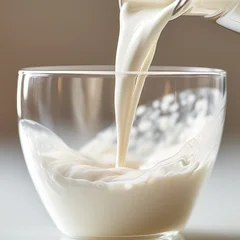
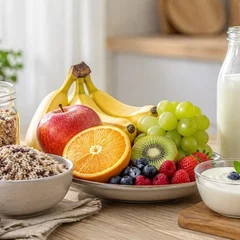
When craving something sweet at night, many opt for fruit, but fruits also contain a significant amount of sugar. Especially at night, fluctuations in blood sugar can affect sleep quality. In such cases, a warm cup of milk or a small amount of unsweetened yogurt is more stable. The tryptophan in milk positively aids sleep. Rather than completely resisting sweet cravings, shifting to options with lower blood sugar impact is a sustainable choice.
Late-Night Snack Timing: 'Speed' Over 'Quantity'
Eating quickly at late hours can delay the delivery of satiety signals, leading to overeating. Even a small amount should be eaten slowly, and drinking water in between can naturally reduce intake. Late-night snacking is more about quelling cravings than filling the stomach. By simply slowing down, one can avoid excessive choices at the crossroads of 'to eat or not to eat.'
If Late-Night Snacking Becomes Repetitive, Check Your 'Dinner'
If late-night snacking occurs almost daily, it is likely due to the composition of dinner rather than willpower issues. If dinner lacks protein or dietary fiber, hunger can easily strike at night. Conversely, if dinner provides sufficient satiety, the desire for late-night snacks diminishes. Even a slight addition of protein and vegetables to the dinner menu can significantly weaken the temptations of the night. Just because late-night snacks are tempting does not mean that dieting is ruined. The key is what, how much, and how to change.