In a lab filled with robotic arms and the hum of precision engineering, a medical student in a white coat works intently on an anatomy model. Their disheveled appearance—the hallmark of someone who hasn't slept in two nights—doesn't stop them from offering a polite bow to a passing professor. At first glance, it is impossible to tell if this is an engineering facility or a medical school. This is the heart of the Health Sciences and Technology (HST) program, a prestigious joint venture between Harvard University and the Massachusetts Institute of Technology (MIT).
Since its inception in 1970, HST has served as the ultimate "cradle" for America's top physician-scientists. The program strategically fuses Harvard’s legendary foundation in basic medical sciences with MIT’s world-class engineering infrastructure. Students who navigate this grueling path emerge with both a Doctor of Medicine (MD) and a Ph.D. in biomedical engineering or medical physics.
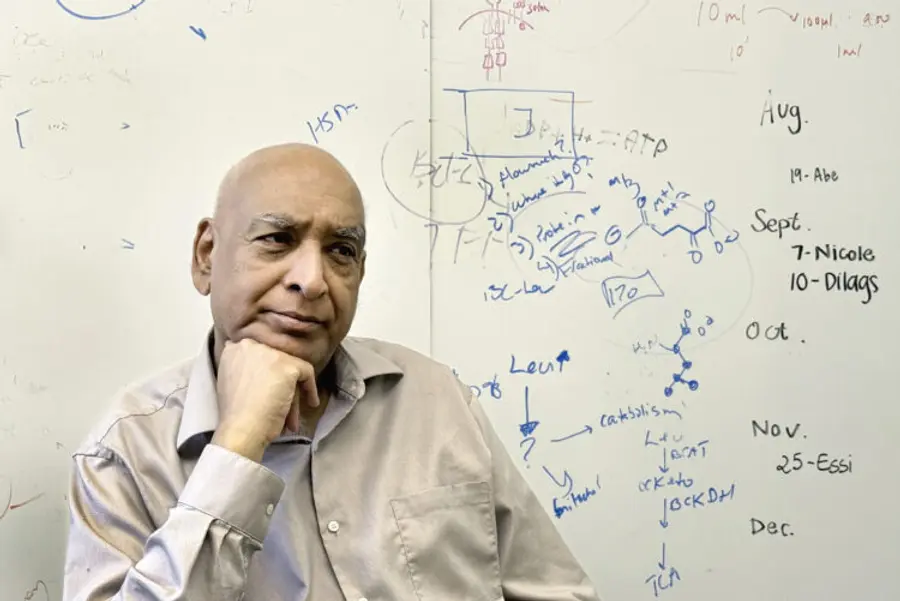
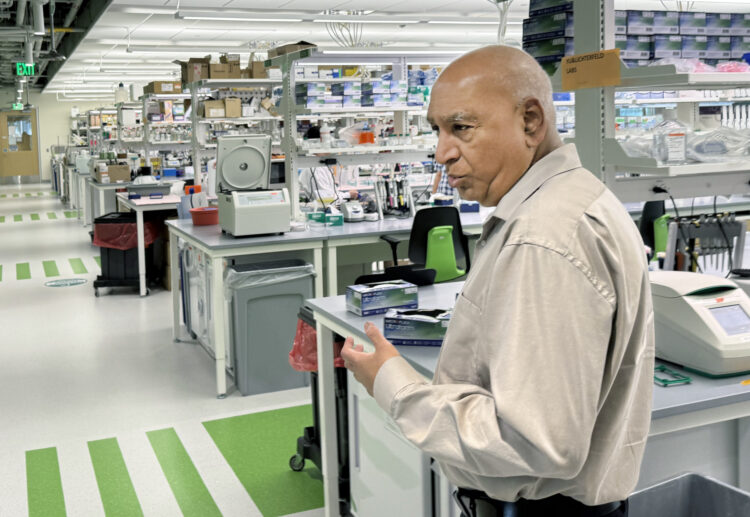
Professor Shiv Pillai, the program's director, led the way through a facility where research equipment runs around the clock. Even in the height of the August summer break, the halls were buzzing with activity. It is easy to see why HST remains one of the most competitive and demanding graduate programs on the globe.
A Dual Mastery: The Rigorous Path of the Physician-Scientist
The HST journey is a marathon of academic and physical endurance. For the first two years, students immerse themselves in research that bridges the gap between medicine and engineering. In the third and fourth years, they transition into clinical training at elite Harvard-affiliated institutions, including Brigham and Women’s Hospital and Boston Children’s Hospital. Because they must satisfy the requirements for an engineering Ph.D. while simultaneously managing a clinical rotation, the workload is notoriously intense.
“Even at a research-heavy institution like Harvard, the majority of students eventually choose clinical practice,” Professor Pillai explained. “On average, about 75% of each graduating class pursues a clinical career.” The remaining 25% commit to a life of academic research, with roughly 30 students selected for the HST program each year to fill that vital pipeline.
In the United States, the term "physician-scientist" is synonymous with "researcher," specifically those holding an MD-PhD. This differs from the common perception in Korea, where the term often suggests a doctor applying science to practical technology. While some HST graduates become biotech founders or engineers, most are trained to lead their own scientific research agendas. This academic rigour has been a cornerstone of America’s dominance in basic medical science, producing luminaries like AIDS pioneer David Ho, former FDA Commissioner Mark McClellan, and Bruce Rosen, the man who helped bring MRI and PET scans to the world.
The Power of Basic Science: A Legacy of 44 Nobel Laureates
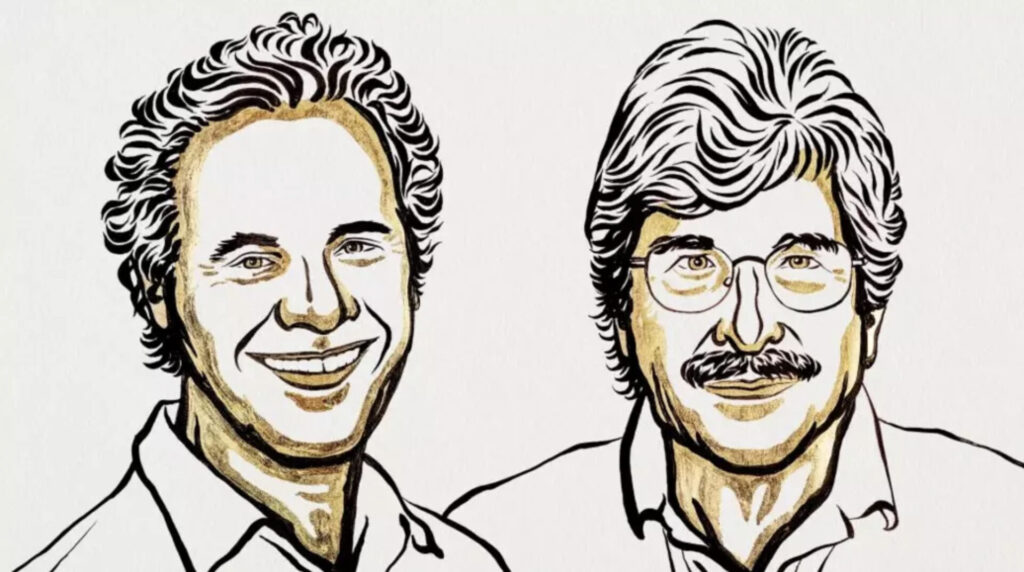
Every October, as the first autumn winds hit Boston, the academic world waits for news from Stockholm. In the field of Physiology or Medicine, Harvard stands alone. Since its founding in 1782, the school has produced 44 Nobel laureates in that category. To put that into perspective: if Harvard were a country, only the United Kingdom, Germany, and France would have more Nobel Prizes in medicine.
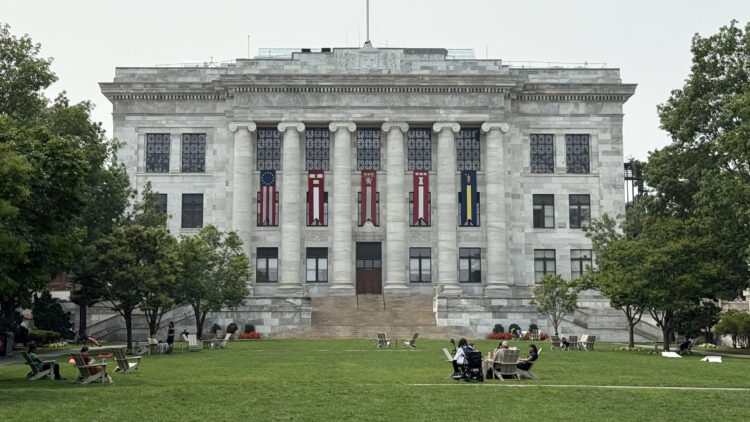
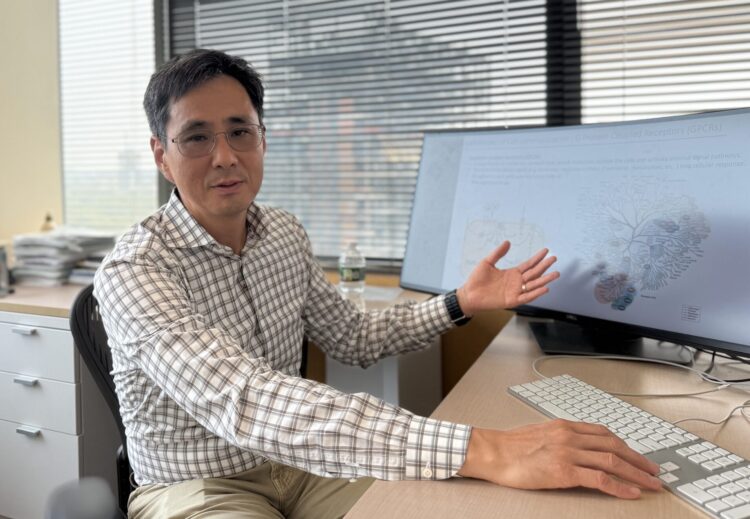
At the Harvard New Research Building (NRB) on Louis Pasteur Street, 1,500 researchers—ranging from hospital staff to MD-PhD candidates—work toward the next breakthrough. In a lab overlooking the city, I met Huh Jun, a professor in the Department of Immunology at Harvard Medical School. He described the institution as a place where "the boundary between medicine and science is blurred."
Professor Huh noted that all 11 departments under Harvard Medical School are dedicated to basic medical science, such as biochemistry and neurobiology. While the school focuses on the scientific foundations of health, affiliated hospitals handle the clinical application. "There is a shift in perspective here," Professor Huh said. "A doctor who develops a life-saving drug or shapes health policy is considered a physician just as much as one who sees patients directly." He noted that the U.S. system thrives because it provides the personnel and capital necessary to reward active research.
Cultivating a Korean Model: The Winds of Change
The Harvard model is now serving as a blueprint for a new generation of Korean physician-scientists. Currently, nine researchers from Seoul National University (SNU)—five MDs and four science Ph.D.s—are working at the Harvard NRB. This two-year collaborative program was born from a 2023 proposal by Professor Huh to SNU Hospital President Kim Young-tae.
“I am not suggesting we transplant the Harvard model directly to Korea,” Professor Huh emphasized, citing the vast differences in scale and structure. “But experiencing these leading institutions is vital for developing our own domestic model.” He argued that for true innovation to occur in biotech hubs, it must be supported by sound scientific theory and a dedicated workforce.
This vision is already taking root in Korea. Seoul National University is developing an interdisciplinary major between its engineering and medical schools. Meanwhile, the Catholic University of Korea has partnered with POSTECH to create a "Korean-style HST program," where the former handles medical education and the latter manages doctoral training in science. This represents the first joint dual-degree system of its kind in Korea, aiming to produce experts who are equally at home in the clinic and the laboratory.
Interview interpretation and reporting assistance: Lee Seul-ah
This project was supported by the Press Promotion Fund, financed through government advertising fees.