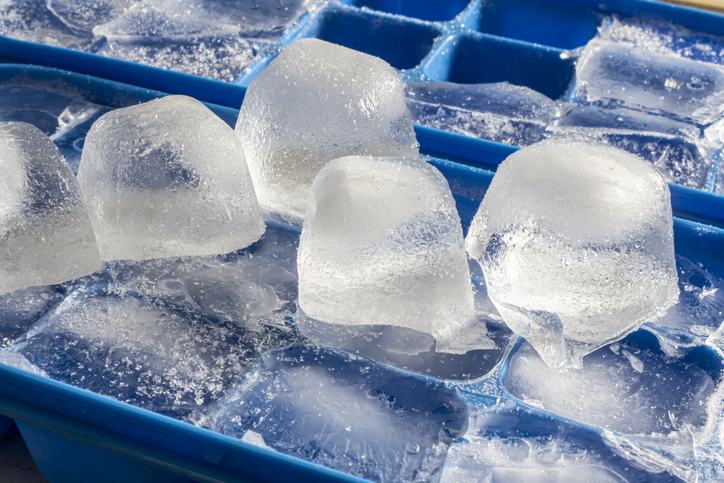
As the summer heat intensifies, more people naturally reach for ice-cold water and refreshing chilled drinks, making ice an everyday kitchen essential. While household ice trays provide a convenient way to keep a steady supply on hand, repeatedly refreezing a tray without thoroughly washing it can expose consumers to a dangerous array of foodborne bacteria and viruses. Extra care and regular sanitary maintenance are vital to prevent these hidden risks.
Resilient Pathogens: How Norovirus and Listeria Thrive in the Cold
Because ice is completely transparent, it easily gives the illusion of being pristine and sterile. However, chemical and biological studies show that freezing does not sanitize water; pathogens like norovirus and Listeria—two primary culprits behind severe food poisoning outbreaks—can easily survive inside ice cubes.
According to data from South Korea’s Ministry of Food and Drug Safety, norovirus maintains a staggering 99% survival rate in ice even after three days of freezing. The virus is so exceptionally resilient that approximately 45% remains fully viable and infectious even after 17 days in sub-zero conditions. Meanwhile, Listeria bacteria tend to proliferate as ice melts, and a defining characteristic of this pathogen is that it remains fully active even at temperatures as low as minus 20°C.
If an ice tray is used continually without regular sanitization, the risk of contamination escalates significantly. Listeria infection can lead to severe food poisoning, septicemia, and even life-threatening illnesses like meningitis. Norovirus typically carries an incubation period of 24 to 48 hours, triggering sudden vomiting, intense abdominal pain, diarrhea, and debilitating muscle aches. Because norovirus is highly contagious, secondary transmission occurs easily; if an outbreak happens at home, shared surfaces such as towels and doorknobs must be thoroughly disinfected. To break this cycle of contamination, public health experts recommend washing ice trays after each individual use under running water, which mechanically flushes away early bacterial film.
Strategic Cleaning: Rice-Rinse Water, Vinegar, and Safe Freezing Habits
For ice trays that have developed a stubborn buildup or a musty freezer odor, utilizing natural household ingredients can restore hygiene. Soaking an ice tray in leftover rice-rinse water for 30 minutes to an hour is an exceptionally effective method to lift grime. The natural starch present in rice water acts as a mild binding agent that pulls stains away from the plastic surface, while its inherent structural properties absorb unpleasant smells that have seeped into the tray. Alternatively, home cooks can scrub the tray using coarse salt as a gentle abrasive, or pour in white vinegar and rinse it off completely after letting it sit for 20 minutes.
When preparing ice, consumers should also exercise caution regarding water choice. Norovirus is notoriously resistant to the low residual chlorine concentrations typically found in municipal tap water, meaning the virus can easily remain active and infectious despite standard water treatment. Utilizing filtered or pre-boiled water provides a much safer foundation for freezing.
Finally, human hands are a major vector for cross-contamination. Instead of handling ice cubes barehanded, it is far safer to utilize dedicated ice tongs. As a strict rule for food safety, avoid consuming ice that has been directly touched by others, as any food handled by an individual carrying a norovirus infection can instantly trigger a localized food poisoning cluster.