Microorganisms residing in the human body extend well beyond bacteria and viruses to encompass fungi, including molds and yeasts, across the skin, gut, oral cavity, and respiratory tract. To eliminate inconsistencies arising from varied laboratory methods, South Korea is expanding its national human microbiome research standards to formally include fungal organisms.
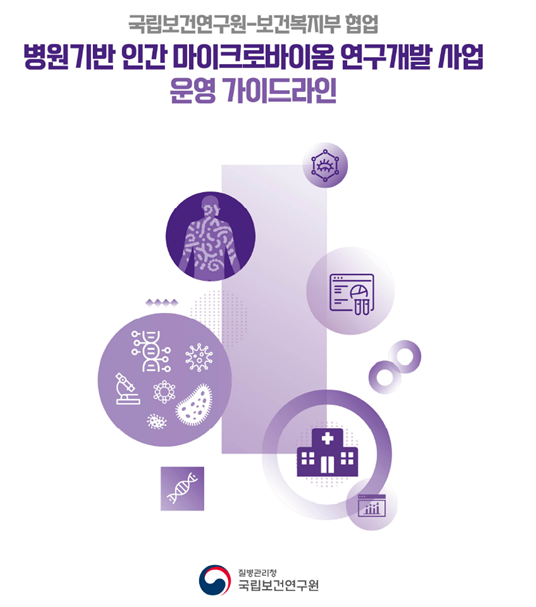
The Korea Disease Control and Prevention Agency’s (KDCA) National Institute of Health, in collaboration with the Ministry of Health and Welfare, announced on the 20th the publication of a revised edition of the "Operating Guidelines for the Hospital-Based Human Microbiome Research and Development Program."
Expanding National Standards to the Fungal Mycobiome
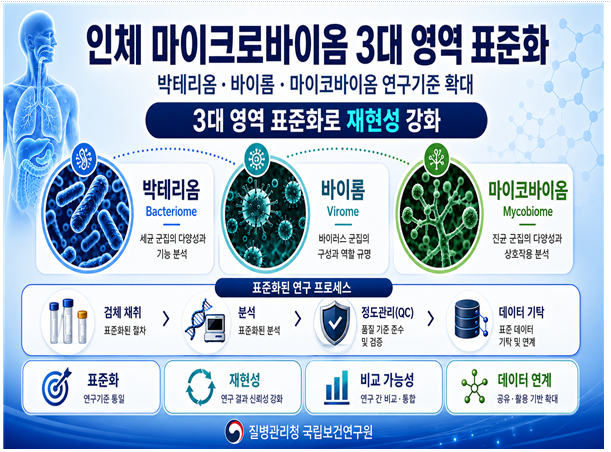
The most significant update in the revision is the addition of the fungal microbiome—or "mycobiome"—to the standardized research targets, joining the "bacteriome" (bacteria) and "virome" (viruses). Researchers analyze microbial genetic material to understand disease development and identify novel diagnostic and therapeutic approaches..
Overcoming Technical Hurdles in Fungal Analysis
Analyzing human fungi presents unique technical hurdles compared to bacterial research. Fungi typically exist in lower abundance within human specimens, and their rigid cell walls make DNA extraction difficult. Furthermore, samples with low fungal levels are highly susceptible to contamination from ambient environments or laboratory reagents, which can be misidentified as host flora. Without unified procedures for specimen collection, storage, and genomic sequencing, analytical results can vary significantly across research institutions.
To address these discrepancies, the updated guidelines establish standardized protocols across every research phase, from initial sample processing to genomic data analysis. The framework also integrates patient clinical records with microbial genetic data to better evaluate correlations between specific microorganisms and disease progression, though health officials emphasize that establishing direct causality requires further study due to confounding factors like diet, medication, and immune status.
Building a 49.9 Billion Won Foundation for Personalized Medicine
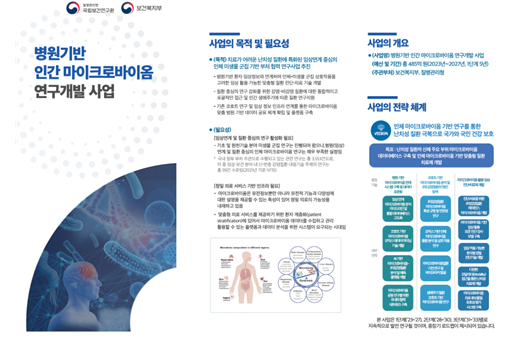
The guidelines are part of the government's Hospital-Based Human Microbiome R&D Program initiated in 2023. Backed by 49.9 billion won in total funding through 2027—with 24.5 billion won invested by the KDCA and 25.4 billion won by the Health Ministry—the initiative aims to build a clinical and genomic data platform to support diagnostic and treatment research tailored to the Korean population.
"As human microbiome research rapidly expands beyond bacteria to encompass viruses and fungi, rigorous standardization is vital to ensure data reliability and usability," said Chae Hee-yeol, director of the Infectious Disease Research Center at the National Institute of Health. "We expect these shared standards to serve as a reliable foundation for comparing and linking research findings across diverse organizations."