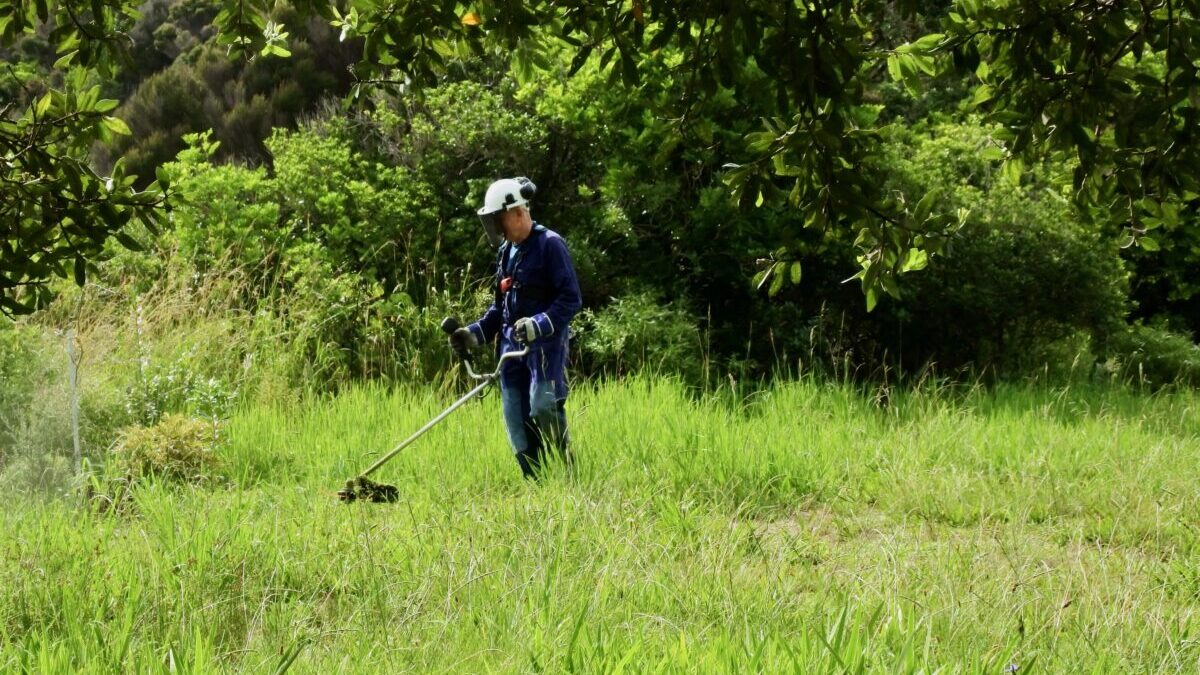
As the annual grave-tending season returns ahead of Chuseok, health authorities are urging heightened caution against bee stings and snakebites. Many people head into overgrown areas with sickles or brush cutters without realizing venomous insects and snakes may be concealed in the grass, leading to a recurring surge in injuries each autumn.
September is particularly hazardous. According to an analysis of Emergency Department Injury In-depth Surveillance data from 2021 to 2025 released by the Korea Disease Control and Prevention Agency (KDCA), outdoor venomous exposure incidents were heavily concentrated between July and September.
Bee Stings: Older Adults Suffer Nearly Half of All Incidents
The KDCA recorded 3,405 bee sting incidents over the five-year period, resulting in 77 hospitalizations and 15 fatalities. Overall, 71.9% of stings occurred between July and September, clustering heavily between noon and 6 p.m. and on weekends (46.3%). Men accounted for nearly two-thirds of victims (64.6%). By age group, individuals in their 60s represented the largest share (27.0%), followed by those in their 50s (21.4%). Together, these two age groups accounted for nearly half of all cases (48.4%, or 1,647 incidents).
Most stings occurred during daily activities (36.8%), such as being stung while drinking a beverage outdoors, followed by leisure activities (23.1%) and work (21.2%). Outdoor areas, riversides, and coastal spots were the most frequent locations (37.2%), followed by roads (18.4%), residences (16.2%), and farms (9.7%).
Seasonal activity patterns varied noticeably by age. In July and August, teenagers and adults in their 30s were frequently stung during leisure pursuits, while adults in their 20s were often stung on roads during daily routines. September presented a different pattern: among adults aged 40 and older, stings tied to unpaid outdoor labor—such as weeding ancestral graves (beolcho) or assisting with seasonal farm tasks—rose sharply.
Snakebites: Lower Volume, Significantly Higher Hospitalization Rate
While snakebites were less frequent than bee stings, with 665 cases recorded over five years, they carried a far higher risk of severe harm. More than six out of ten victims (60.2%) required hospitalization. September recorded the single highest monthly share of incidents (24.7%), followed by August (16.8%) and July (15.3%). Accidents clustered on weekends (39.0%) and between noon and 6 p.m. (40.2%).
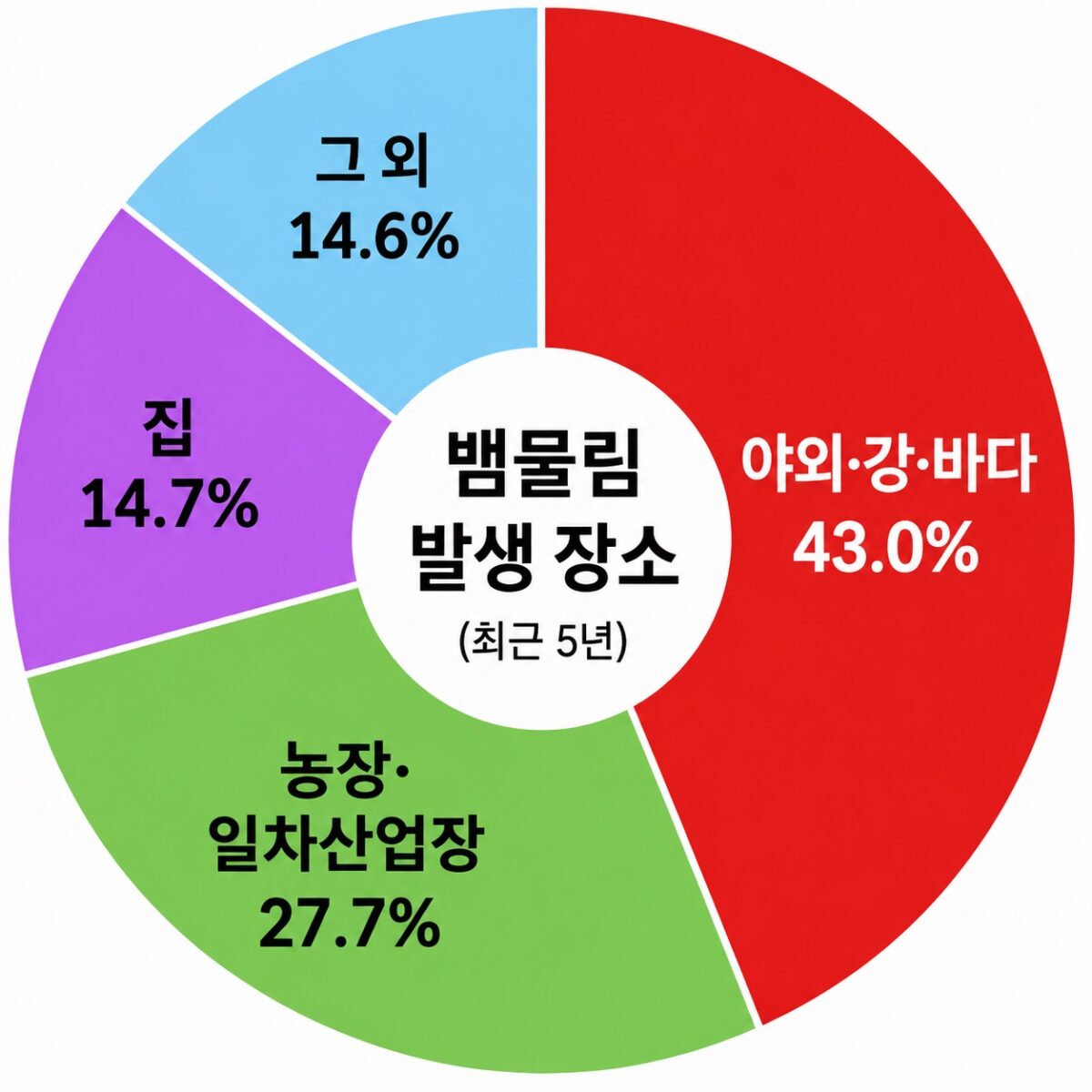
The demographic concentration among older adults was even more pronounced for snakebites. Individuals in their 60s (30.2%), 70s and older (24.5%), and 50s (18.2%) comprised 72.9% of all victims. Men accounted for 57.6% of cases. Most bites occurred while performing work: agricultural labor such as harvesting crops (28.4%), daily activities (25.4%), and unpaid tasks such as clearing brush or sorting recyclables (21.7%). Primary locations included outdoors and riversides (43.0%) and farms (27.7%), while residential bites frequently occurred in yards or gardens.
In September alone, the risk for older adults became stark: of the 164 snakebites recorded during the month, 119 cases (72.6%) involved individuals aged 50 or older. While risk factors for younger age groups shifted seasonally, older adults faced sustained exposure throughout the entire agricultural season.
Prevention, First Aid, and Hazards of Folk Remedies
Health officials advise specific precautions to minimize exposure. To avoid bee stings, wear bright clothing and long sleeves. Black attire is the most likely to provoke bees, followed by brown, red, green, and yellow in decreasing order of risk. If stung, avoid using fingers or tweezers, which can squeeze additional venom into the skin; instead, use a thin, rigid card to scrape the stinger out gently. Seek immediate emergency care if pain persists or signs of an allergic reaction appear.
To prevent snakebites, wear heavy boots, gloves, and long trousers when walking or working in overgrown areas, fields, or rice paddies. If a snake is spotted, do not attempt to capture or move it; step back immediately and call emergency services (119). If bitten, keep the affected area positioned below heart level and minimize movement to slow the spread of venom.
Authorities strongly warn against traditional folk remedies. Actions such as cutting the wound with a knife, sucking out venom by mouth, applying crushed herbs, or consuming alcohol or caffeine can worsen tissue damage, introduce severe infections, or accelerate venom absorption.
"Bee stings and snakebites occur frequently from July through September, requiring extra caution," said KDCA Commissioner Ji Young-kwan. "Anyone engaging in grave tending, hiking, or farm work must follow safety protocols, including wearing long sleeves, gloves, and protective boots."
The KDCA has distributed practical safety graphics detailing prevention guidelines and emergency first-aid procedures to local health centers and agricultural organizations. The materials are available for public download on the National Injury Information Portal and the KDCA website.