Researchers are launching an international joint study that leverages artificial intelligence (AI) to evaluate whether next-generation cell therapies for Parkinson’s disease can function effectively in environments mirroring actual human brains. The initiative aims to replicate the complex pathological conditions of neurodegenerative disorders—which are difficult to fully model in animal testing—to assess treatment efficacy and safety prior to clinical trials.
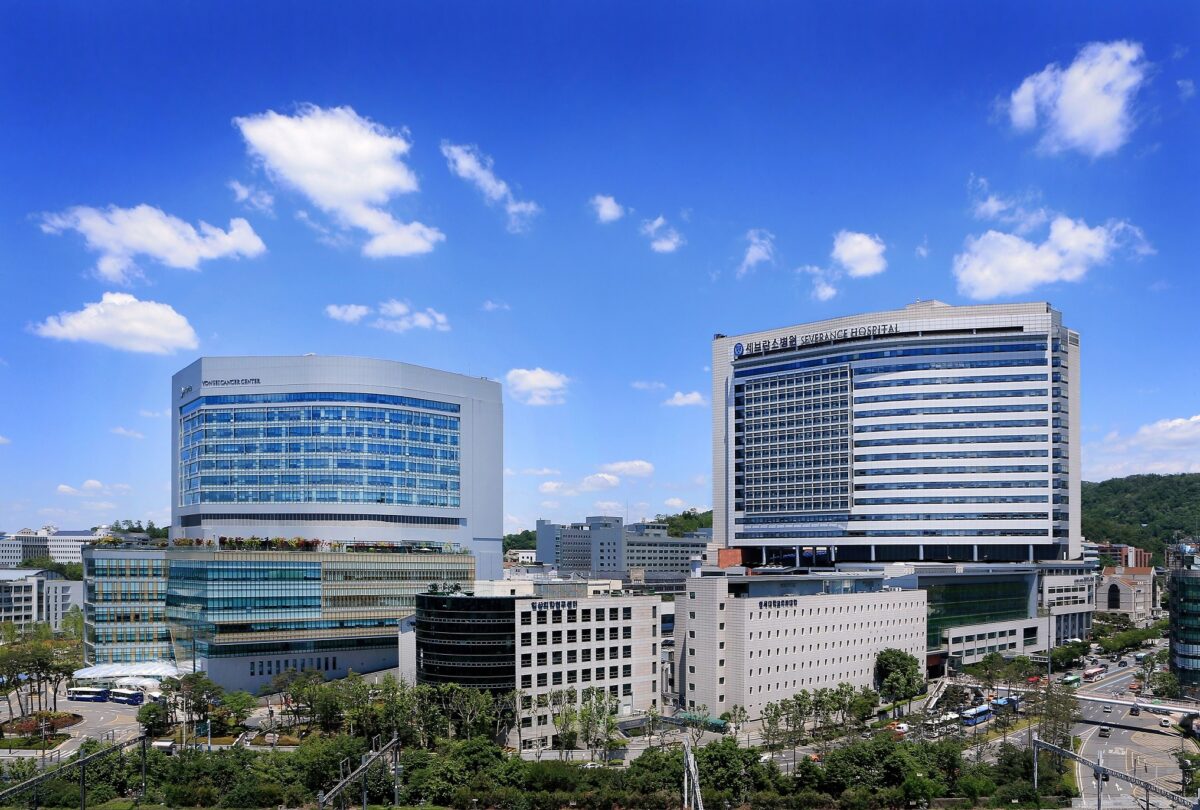
Severance Hospital announced on the 28th that it has been selected for the Ministry of Health and Welfare's "2026 Research-Driven Hospital Korea-U.S. Innovation Outcome Creation R&D New Support Program." The team will launch a joint research project to develop advanced cell therapies for Parkinson’s disease.
The project will receive 7 billion won in government research funding over two years and six months. Participating institutions include Severance Hospital, Yonsei University College of Medicine, S.Biomedics, and Johns Hopkins University in the United States. Lee Pil-hyu, a professor in the Department of Neurology at Severance Hospital, will serve as principal investigator, joined by Kim Dong-wook, a professor in the Department of Physiology at Yonsei University College of Medicine, as co-researcher.
Replicating Complex Pathological Brain Environments Beyond Animal Testing
At the core of the initiative is an advanced cell-therapy evaluation system powered by "AI-NAMs." New Approach Methodologies (NAMs) utilize human cells, tissues, and computer modeling to predict drug efficacy and toxicity in humans. By integrating AI, the research team will analyze vast datasets encompassing both experimental and clinical data.
Traditional Parkinson's cell therapy research relies heavily on animal models. However, animal brains cannot fully capture the intricate pathological microenvironment of human Parkinson's disease, such as chronic inflammation and localized cellular damage.
The researchers plan to simulate patient-like brain environments in the laboratory before introducing therapeutic cells. Using AI algorithms, they will assess whether the transplanted cells survive and retain their intended function within damaged brain tissue.
Screening Therapeutic Candidates Prior to Clinical Trials
The project will draw on Severance Hospital’s extensive clinical research in cell therapies for Parkinson’s disease and multiple system atrophy. By integrating experimental outcomes with real-world patient data, the team aims to establish standardized benchmarks for selecting clinical candidates.
Improving evaluation precision will allow researchers to screen out candidates with insufficient efficacy or safety concerns before advancing to human trials. This pre-screening approach is expected to reduce development timelines, lower costs, and boost overall clinical trial success rates.
The project's ultimate goal is to pioneer a next-generation cell therapy capable of maintaining therapeutic potency even in advanced disease environments. Additionally, the team plans to establish an international standard platform for evaluating Parkinson's cell therapies to support global technology commercialization.
"We will build the world’s first AI-NAMs-based evaluation platform for Parkinson's cell therapies and develop world-class treatments capable of overcoming the pathological microenvironment," said Principal Investigator Lee Pil-hyu. "We aim to position South Korea at the forefront of global innovation in advanced regenerative medicine."
Severance Hospital Director Lee Kang-young added, "Securing this project amid fierce competition among 21 research-driven hospitals nationwide demonstrates its immense potential. We will provide full institutional support to ensure this research leads to globally recognized outcomes and successful commercialization."