Many people feel an immediate wave of guilt when faced with a sweet dessert. In particular, the widespread belief that sugar "feeds" cancer cells leaves many feeling anxious about eating anything sweet. But if your goal is cancer prevention, do you really need to eliminate sweet foods entirely? According to one cancer specialist, cutting out sweetness altogether isn't necessary—what matters most is choosing healthier sources and being mindful of how you consume them.
The Indirect Link: Sugar, Obesity, and Cancer Risk
"It’s true that cancer cells metabolize glucose faster than normal cells, but it’s hard to say that the sugar we consume directly becomes the immediate cause of cancer growth," said Dr. Nathan Handley, a medical oncology specialist and director of Jefferson Health’s Integrative Cancer Recovery Program, in a recent interview with Parade.
Rather than acting as a direct trigger, Handley explained that the connection between sugar and cancer is indirect. The primary hazard of foods and beverages packed with added sugar is that they drive excessive calorie consumption, leading to obesity. Research has firmly established obesity as a major risk factor across numerous malignancies. "Obesity is known to cause at least 13 types of cancer," Handley noted.
When it comes to dietary risks, sugar-sweetened beverages—including soda, fruit juice, energy drinks, and sweetened coffee—top the list of items to eliminate. Soda stands as the single largest source of added sugar in modern diets and shows the most consistent association with cancer risk across large population studies. A single can of soda contains roughly 10 teaspoons (about 40 grams) of sugar with zero fiber or beneficial nutrients. Drinking just one can easily exceeds the American Heart Association's (AHA) recommended daily added-sugar limit of 25 grams for women and 36 grams for men.
"If you have to change just one thing in your diet, choose—without hesitation—to cut out sugar-sweetened beverages," Handley advised.
Smart Alternatives and Healthy Sweetness
When cravings strike, simply trying to willpower through them is rarely sustainable. "Eliminating all sweetness from life is neither realistic nor enjoyable," Handley said, emphasizing that the key is shifting from processed added sugars to natural whole foods.
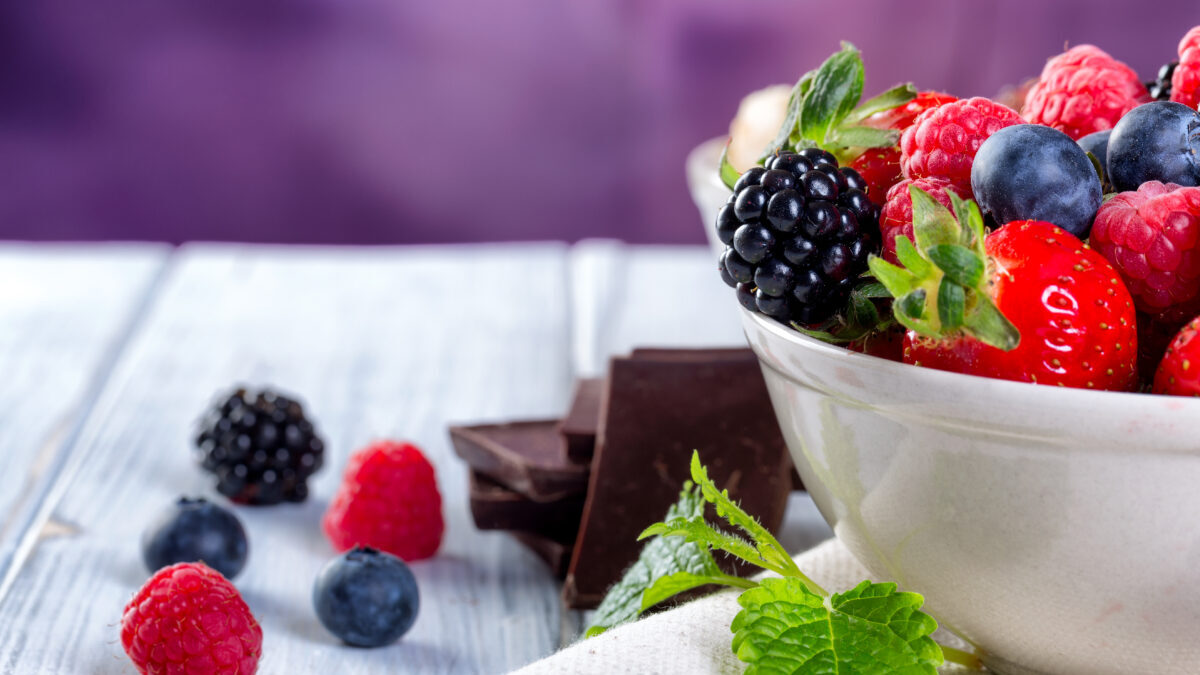
Unlike foods containing artificial added sugars, eating whole fruit can actually help lower cancer risk. Fruit is rich in dietary fiber, which slows blood sugar absorption and supports a healthy colon lining. It also delivers potent antioxidants that reduce inflammation and slow tumor progression. Handley particularly recommends berries, which are relatively low in sugar while remaining exceptionally high in fiber and antioxidant compounds. Dark chocolate containing at least 70% cacao is another health-supportive alternative due to its high concentration of flavanol antioxidants.
However, even healthy options require moderation. Dark chocolate is calorie-dense, so intake should be kept to about one or two pieces (20 to 30 grams) per day. Fruit should also be consumed in appropriate portions—about one to two fistfuls daily—to prevent excessive fructose intake from impacting blood sugar or weight.
Preparation methods also matter. Whole fruit should be eaten intact rather than juiced or blended. Juicing strips away beneficial dietary fiber and accelerates digestion, triggering rapid blood sugar spikes similar to those caused by sugary soft drinks. To further stabilize blood sugar and extend satiety, Handley suggests pairing fruit with a source of protein or healthy fat, such as Greek yogurt or eggs.