When flank pain becomes so excruciating that it feels like tissue tearing, many patients rush straight to the emergency room. A frequent culprit is urinary tract stones—a condition on the rise due to changing dietary habits and an aging population. Delayed treatment can impair kidney function or trigger urinary tract infections and, in severe cases, life-threatening sepsis, making prompt and safe intervention critical.
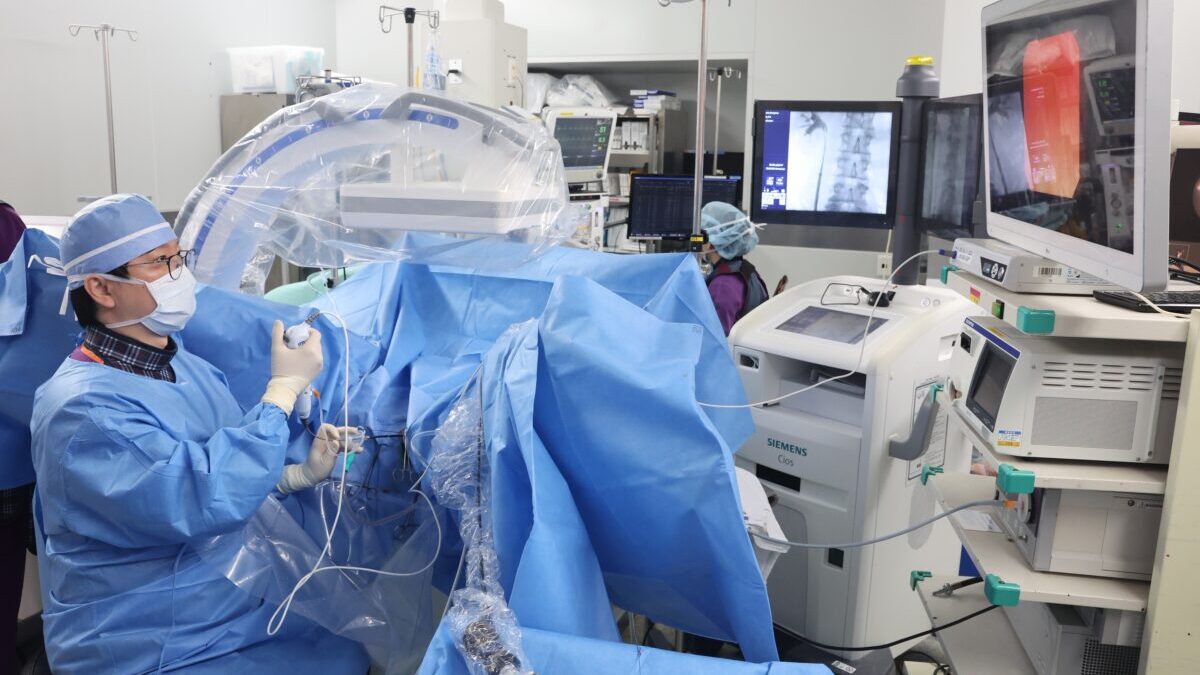
Gachon University Gil Medical Center announced on the 20th that it has become the first university hospital in Incheon and the West Sea region to introduce a suction ureteroscope (FANS).
For stones measuring 2 cm or smaller, flexible ureteroscopic surgery (RIRS)—which reaches stones through the natural urinary tract without requiring a skin incision—has long been the standard approach. However, the procedure carries distinct limitations.
Addressing the Risks of Conventional Procedures
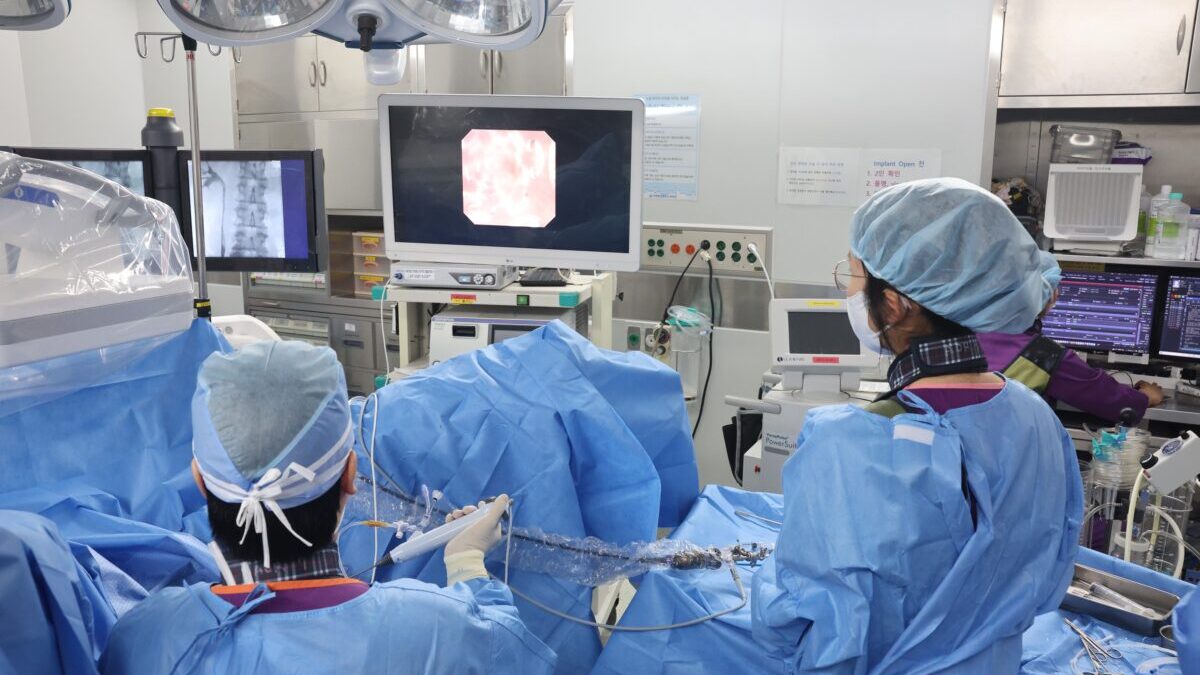
During traditional ureteroscopic surgery, surgeons continuously pump irrigation fluid into the kidney while breaking up stones with a laser. If pressure builds inside the renal pelvis—the funnel-like structure that collects urine—bacteria or inflammatory substances can enter the bloodstream, elevating the risk of urinary tract infections or sepsis. Consequently, some patients suffer severe complications even after a stone is successfully removed.
The newly introduced suction ureteroscope addresses this hazard by simultaneously suctioning out laser-fragmented stone pieces and irrigation fluid. By maintaining stable pressure within the kidney while evacuating tiny residual fragments, the device improves surgical visibility and lowers infection risks. Hospital officials noted that the technology also enables the removal of stones larger than 2 cm in a single procedure.
Protecting High-Risk and Elderly Patients
"A suction ureteroscope is cutting-edge technology that enhances both surgical precision and safety by stabilizing intra-renal pressure while continuously clearing stone fragments," said Professor Park Tae-young of the Department of Urology. "We expect it to be particularly beneficial for patients at high risk of complications, including elderly individuals, patients with diabetes, and those with infection-related stones."
Professor Park Tae-young added that in modern stone management, effectively preventing surgical complications like infection and sepsis has become just as vital as the speed of stone removal.
With the acquisition of this equipment, Gachon University Gil Medical Center has established a tailored treatment system for complex cases—such as giant, multiple, infection-prone, or recurrent stones—as well as high-risk patients with chronic kidney disease or those taking anticoagulants. When necessary, the hospital provides integrated care by collaborating across departments, including Infectious Diseases, Nephrology, Radiology, and Anesthesiology and Pain Medicine, to minimize pre- and post-operative complications and accelerate recovery.
"Going forward, we will strengthen our role as a regional hub hospital by delivering the safest, highest-quality care for complex urinary stone patients through advanced medical technology, extensive clinical experience, and a multidisciplinary collaborative system," said Professor Park Il-woo.
Urologists advise that anyone experiencing potential symptoms of urinary stones—such as recurring flank pain or cloudy urine—should seek medical evaluation promptly before stones enlarge.