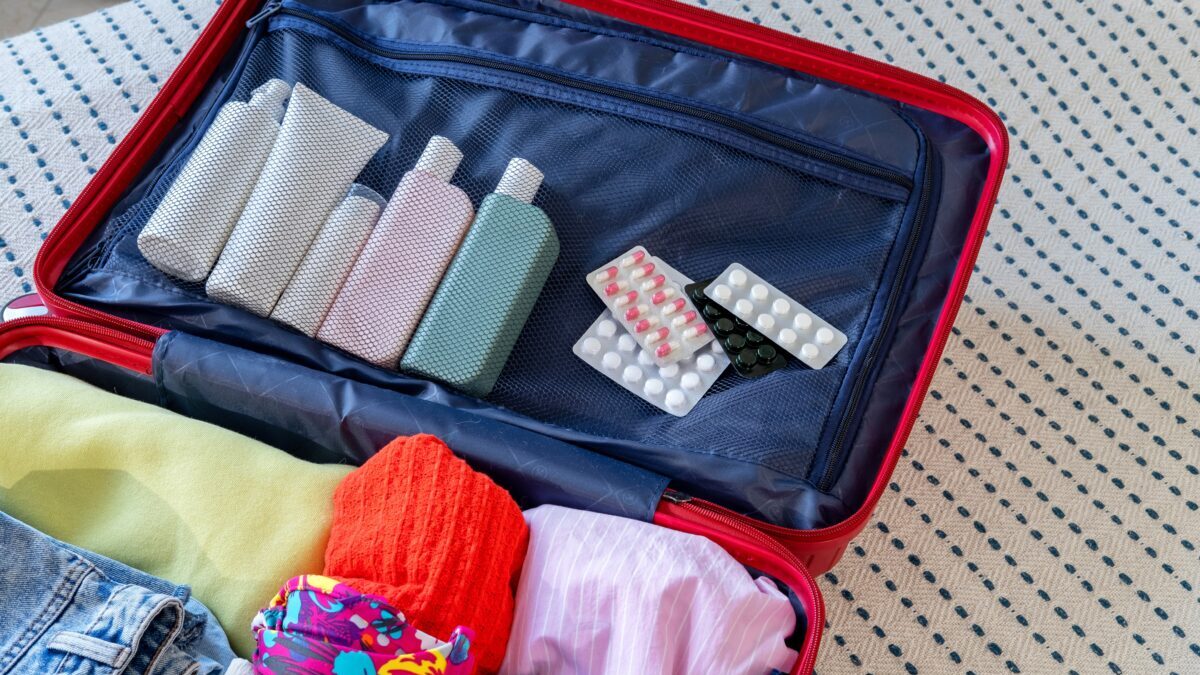
If you have already packed your bags for peak vacation season, it is still too early to completely relax. Even if you have remembered all the essentials—your passport, credit cards, and clothes—your preparations are incomplete if you have not accounted for the infectious disease risks at your destination.
Even healthy travelers can easily contract severe illnesses when exposed to unfamiliar climates, local food, unsanitary water, and disease-carrying mosquitoes. These health risks can vary dramatically within a single country depending on whether you are visiting urban centers or rural villages, the length of your stay, the season, your lodging type, and how much time you spend outdoors.
"Accessing reliable medical care abroad can be exceptionally difficult, and a sudden infection can easily force you to cut a hard-earned trip short," warns Shin Hyung-sik, a professor of infectious diseases at Daejeon Eulji University Hospital. "You must proactively research the specific disease risks of the regions you plan to visit and secure the necessary vaccinations well in advance."

Timing Your Travel Vaccinations
Determining which vaccines you need depends heavily on your specific itinerary. For instance, the yellow fever vaccine is not a blanket requirement for everyone traveling to Africa or Central and South America. It is necessary only if you are visiting a high-risk area or entering a country that mandates an International Certificate of Vaccination or Prophylaxis for entry. Because this certificate only becomes valid 10 days after immunization, you must receive the shot at least 10 days before your departure. For most people, a single dose provides lifelong protection, though boosters may be recommended depending on your immune status or active outbreaks at your destination.
For hepatitis A, it is highly recommended to receive the vaccine as early as possible. However, even if your departure is less than two weeks away, you should still get the shot. For high-risk travelers—such as individuals over age 40, immunocompromised patients, or those with chronic liver disease—medical providers may choose to administer immune globulin alongside the vaccine for immediate protection.
Typhoid and cholera immunization schedules require similar foresight. Typhoid vaccination timelines depend on the formulation: the injectable vaccine must be administered at least two weeks prior to departure, while the oral vaccine regimen must be completed at least one week before traveling. Meanwhile, the cholera vaccine is not universally required for all trips to Southeast Asia or Africa. The decision to vaccinate should be based on active local outbreaks and whether you will have reliable access to safe food and drinking water.
Essential Malaria Defenses and Medication
Some vector-borne diseases cannot be prevented with vaccines alone, and malaria is a prime example. While the World Health Organization (WHO) recommends malaria vaccines for children living in high-endemic regions of Africa, there is currently no approved vaccine available for general travelers. Instead, travelers must rely on preventive medications and strict mosquito-avoidance strategies.
One common prophylactic is atovaquone-proguanil, which must be taken daily starting one to two days before entering a malaria-risk area, continued daily throughout the trip, and maintained for seven days after returning. Because the start date, duration, and drug choice depend heavily on regional drug resistance, pregnancy, age, and kidney function, you must consult a healthcare professional rather than choosing a medication on your own.
Smart Sanitation: Food, Water, and Mosquito Defense
Traveler’s diarrhea, caused by consuming contaminated food or water, remains the most common travel-related illness. In areas with poor sanitation, stick exclusively to boiled water or bottled water with a factory-sealed cap.
A Crucial Reminder: Ice is simply frozen water. Avoid it entirely unless you are certain it was made from purified water, and use safely treated water even when brushing your teeth.
Additionally, food should be thoroughly cooked, served piping hot, and eaten immediately. Peel all fresh fruit yourself, and avoid raw meats, undercooked seafood, or dishes left at room temperature. While mild diarrhea often resolves with rest and oral rehydration, seek immediate medical attention if you experience a high fever, bloody stools, severe abdominal pain, persistent vomiting, or signs of dehydration.
Safeguarding yourself against insects is just as critical. Mosquitoes transmit a host of dangerous viruses, including dengue fever, yellow fever, chikungunya, and the Zika virus. While malaria-carrying mosquitoes are primarily active during the evening and night, the species that transmit dengue fever bite during the daytime.
To minimize exposure, wear loose, long-sleeved shirts and long pants, and stay in accommodations equipped with secure window screens or air conditioning. When using insect repellent, always follow the specific application intervals and daily limits detailed on the product label.
Post-Travel Protocols: What to Do If You Get Sick
Taking malaria pills does not make you entirely immune. If you develop a fever after returning from a high-risk region, seek medical care immediately—even if you completed your medication regimen exactly as prescribed. Because malaria symptoms can lie dormant and emerge months later, you must disclose your travel history to your physician if you experience an unexplained fever within a year of returning home.
Prompt medical evaluation is also essential if a post-travel fever is accompanied by a rash, severe headache, confusion, bloody stools, persistent vomiting, or severe, dehydrating diarrhea. Be prepared to share your exact itinerary, return date, mosquito exposure, dietary habits, and whether you adhered to vaccines and prophylactic medications.
Special Considerations for Vulnerable Travelers
Travelers with chronic conditions, pregnant women, and young children require highly tailored preparations. Those with underlying medical conditions should carry a surplus of their daily medications in their carry-on luggage rather than checked bags. To prepare for potential emergencies abroad, secure an English medical certificate or prescription detailing the generic names, dosages, and diagnoses of your medications.
Pregnant women must consult their obstetrician-gynecologist before booking a trip. While live vaccines like the measles-mumps-rubella (MMR) shot are strictly contraindicated during pregnancy, the yellow fever vaccine may be administered at a clinician's discretion if travel is unavoidable and the risk of infection outweighs the risks of the vaccine. However, pregnant women are strongly advised to postpone travel to malaria-endemic regions.
For infants and toddlers, domestic immunization schedules may not offer sufficient protection abroad. For instance, infants aged 6 to 11 months traveling to high-risk areas may require an early dose of the measles vaccine. Additionally, parents should avoid alternating acetaminophen and ibuprofen to manage childhood fevers, as this practice easily leads to dosing errors. Instead, prepare a single, weight-appropriate fever reducer.
Ultimately, reviewing your vaccination timeline, securing preventive medications, and organizing daily prescriptions is just as important as packing your passport. Taking steps to mitigate health risks before you depart is always wiser—and far more practical—than searching for an emergency room abroad.