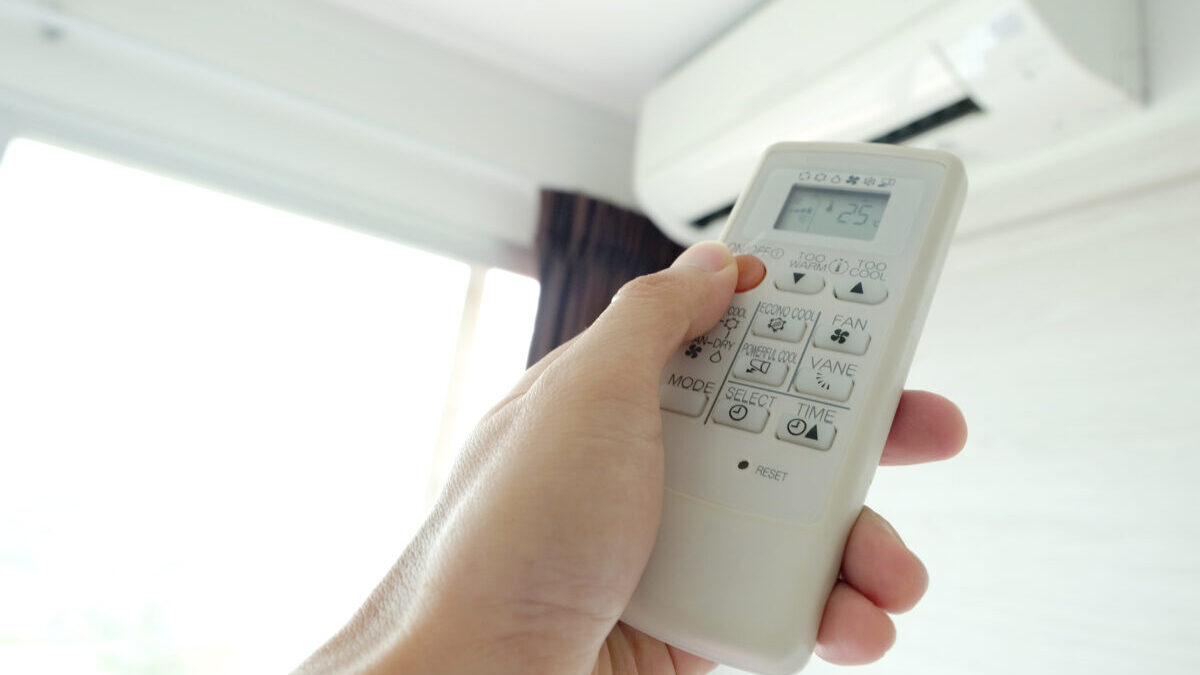
As the rainy season ramps up and sweltering summer heat settles in, many households find themselves running air conditioners and dehumidifiers around the clock. In the peak of summer, it is often the humidity—not just the temperature—that drives our physical discomfort. When the air is saturated with moisture, sweat evaporates from the skin much more slowly, disrupting the body's natural ability to regulate its temperature. As a result, a humid room can feel significantly hotter than the actual reading on the thermometer. High humidity also creates an ideal breeding ground for mold and dust mites, raising potential respiratory and health concerns.
To navigate a damp, muggy summer comfortably, it is essential to understand how these two common appliances work and how to deploy them effectively.
The Mechanics: AC Dehumidification vs. Dedicated Dehumidifiers
Both air conditioners and dehumidifiers rely on the same fundamental heat-exchange technology. They circulate refrigerant through internal coils to transfer heat. When humid indoor air is drawn into either unit, it passes over a cold evaporator coil. This causes the moisture in the air to condense into water droplets, which are collected or drained away, leaving the air drier.
The key difference lies in where the captured heat is directed. An air conditioner is connected to an outdoor compressor, allowing it to vent hot air completely outside the home. A dehumidifier, however, is a self-contained indoor unit with no outdoor connection; it releases the heat generated during the condensation process directly back into the room. Consequently, while an air conditioner's dehumidifying mode cools the room down, a dedicated dehumidifier will actually raise the indoor temperature slightly.
These appliances also operate under different control targets. An air conditioner runs based on a set temperature, whereas a dehumidifier cycles on and off based on target humidity levels. This distinction is particularly important on cool, rainy days. When the outdoor temperature drops but the indoor air still feels clammy, a dehumidifier can make the space feel much more comfortable without over-chilling the room. Conversely, during intense midsummer heatwaves when both temperature and humidity spike, an air conditioner is by far the more effective tool.
Where to Deploy Each Appliance
Because of these operational differences, air conditioners are best suited for rooms where personal comfort is the priority, such as living rooms or bedrooms where family members spend most of their time. While a dehumidifier can lower humidity levels quickly, the warm exhaust it generates makes it uncomfortable to run in occupied rooms during hot weather.
Instead, dehumidifiers are far more useful in unoccupied or tight spaces, such as walk-in closets, pantries, or bathrooms. Because most home dehumidifiers are portable, they can easily target stubborn moisture in tucked-away spots that central air-conditioning currents cannot reach. During the rainy season, placing a dehumidifier in a room where laundry is hanging can also accelerate drying times and prevent clothes from developing a musty, damp odor.
Busting the Energy-Saving Myth
Electricity consumption is another practical factor to weigh. Generally speaking, dedicated dehumidifiers consume significantly less power than air conditioners because they do not have to drive a heavy cooling cycle. A typical household dehumidifier draws about 250 to 300 watts of power. In contrast, air conditioners require far more electricity because they are designed to actively cool and dehumidify simultaneously.
A common misconception is that running an air conditioner in "dehumidifying mode" (often labeled "Dry") consumes less electricity than standard cooling mode. In reality, an air conditioner’s dehumidifying mode operates on the exact same mechanical principles as its cooling mode. It removes moisture by chilling the air, which still requires the heavy operation of the outdoor compressor. As a result, running your air conditioner on its dehumidifying setting consumes roughly the same amount of power as running it on a light, standard cooling setting.