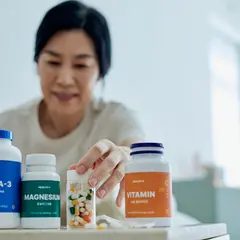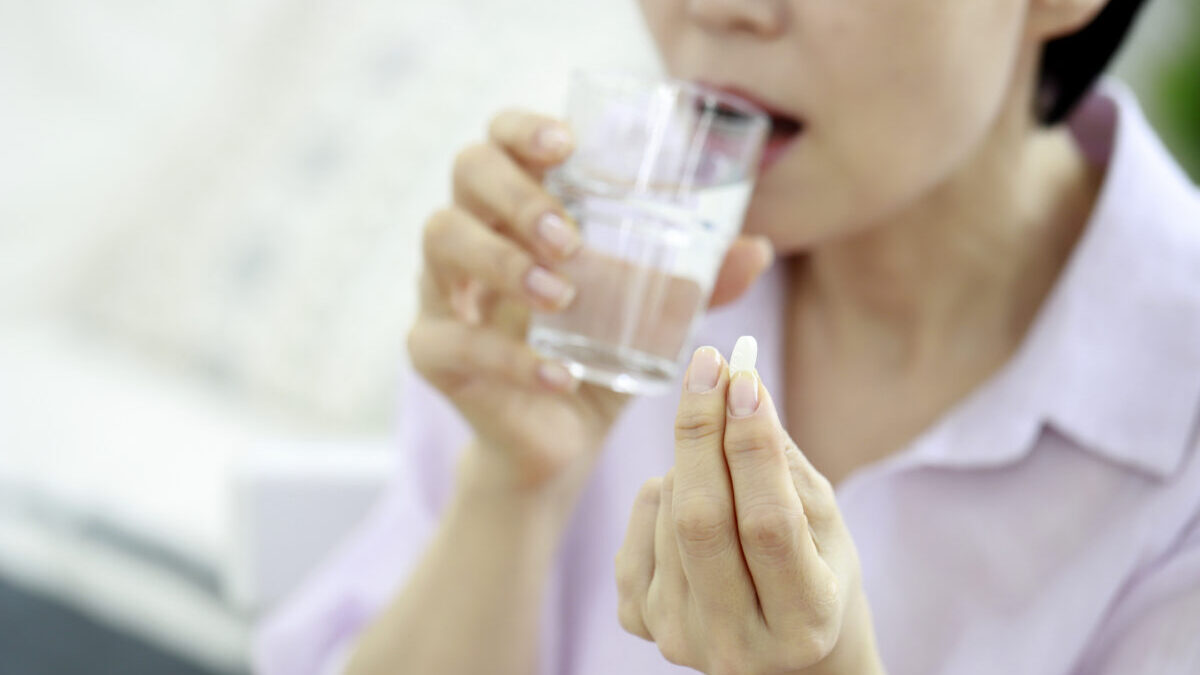
Dietary supplements widely consumed to support everyday health can, in some cases, cause severe harm to the body. Serious clinical issues typically arise when individuals ignore proper dosage guidelines or take these products out of habit without an actual nutritional deficiency.
Pharmacist Kim Kyung-eun, known online as "Taeri Pharmacist," recently highlighted this issue in a social media video identifying four common supplements that can damage the liver. Characterizing them as "supplements that can cause serious trouble if taken over a long period," Kim urged viewers to memorize the list and exercise strict caution.
1. High-Dose Vitamin B3 (Niacin)
Many consumers purchase high-dose vitamin B3 (niacin) through overseas direct shipping platforms to help manage and lower their cholesterol levels. However, Kim warned that consuming more than 1,000 mg of niacin per day can overstimulate hepatic cells and sharply elevate liver enzyme levels.
Niacin is an essential nutrient required to convert carbohydrates and fats into energy, support skin and nerve function, and maintain normal cellular metabolism. While typical supplemental doses ranging from 15 to 50 mg pose no threat to health, escalating daily intake to 1,000 mg or more to improve lipid profiles carries a distinct risk of liver toxicity. The U.S. National Institutes of Health (NIH) similarly advises that high-dose niacin regimens exceeding 1,000 mg daily be conducted exclusively under medical supervision due to the heightened risk of adverse side effects.
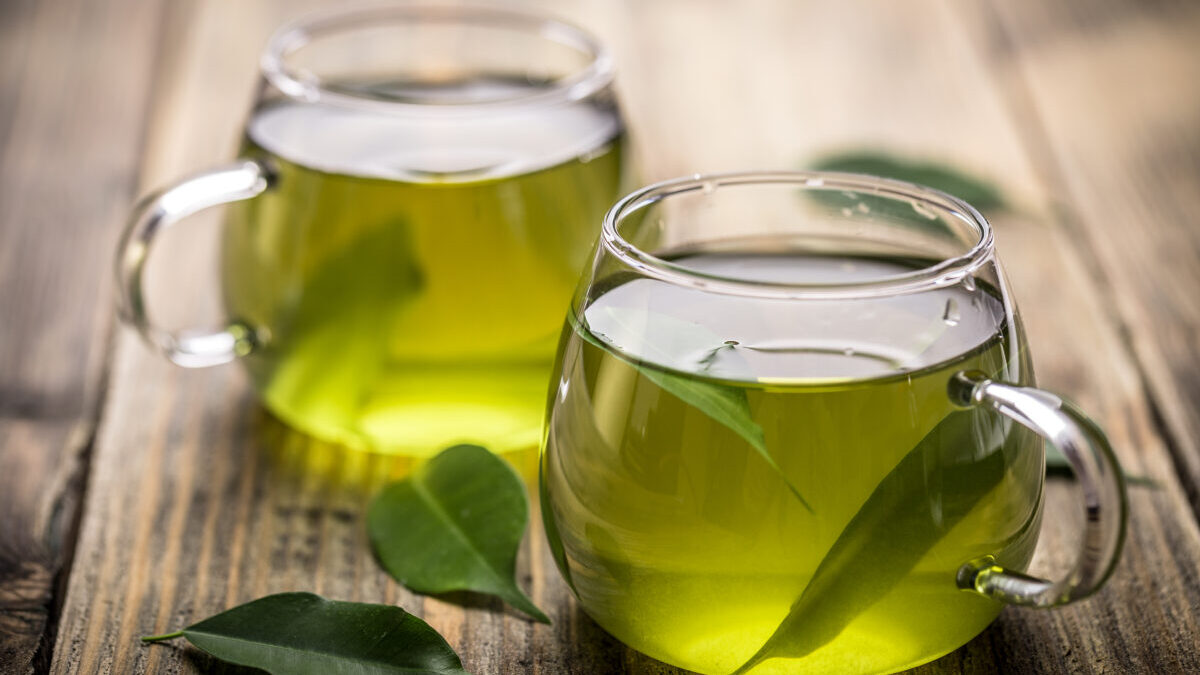
2. High-Dose Catechin Green Tea Extract
While catechins consumed by drinking traditional brewed green tea offer safe, natural antioxidant benefits, concentrated pill-form extracts present a completely different risk profile. Kim noted that high-dose green tea extracts are among the dietary ingredients most frequently linked to cases of drug-induced liver injury globally.
Although green tea generally helps mitigate cell damage and inflammation while supporting cardiovascular health, blood sugar stability, and fat reduction, concentrated catechins can act unpredictably. LiverTox, a clinical resource under the NIH, has documented rare but severe instances of acute liver injury and liver failure associated with these concentrated extracts.
The precise mechanism behind this toxicity remains unconfirmed, but researchers suspect it stems from localized oxidative stress. At excessively high concentrations, normally beneficial antioxidant catechins may paradoxically trigger a pro-oxidant effect, damaging cell membranes and DNA while denaturing proteins. Consequently, the liver cells responsible for metabolizing and detoxifying these compounds can become overwhelmed and structurally damaged.
3. Vitamin A
Vitamin A is a fat-soluble vitamin crucial for vision, immune function, and cellular differentiation. It plays a vital role in low-light vision adaptation and keeps the skin and mucous membranes healthy.
However, because it is fat-soluble, excess amounts are not excreted through urine but are instead stored within body tissue, primarily accumulating in the liver. Kim warned that adults taking 3,000 mcg RAE (Retinol Activity Equivalents) or more of vitamin A over an extended period place an immense metabolic burden on the organ. She advised consumers to carefully review their multivitamins and eye-health supplements to ensure they are not inadvertently overlapping dosages and exceeding safe thresholds.
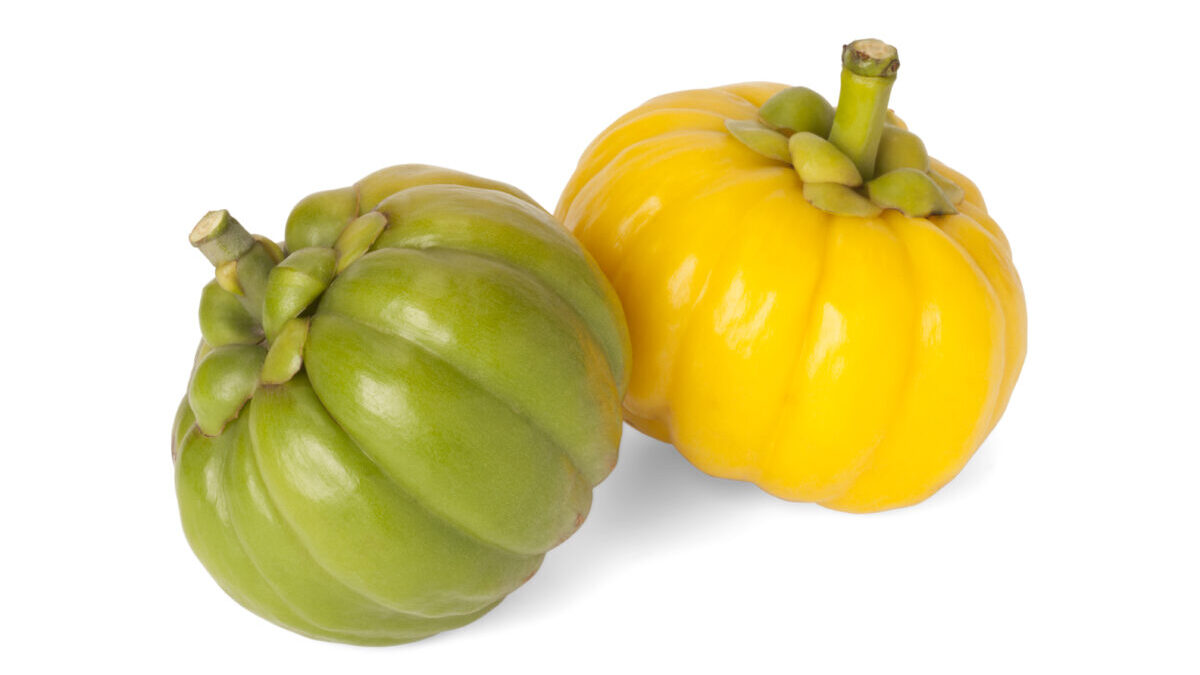
4. Garcinia Cambogia
Extracted from the rind of the Garcinia cambogia fruit, this ingredient gained widespread popularity as a weight-loss aid due to its active compound, hydroxycitric acid (HCA), which inhibits fat synthesis. However, its physiological effects vary drastically depending on the individual, meaning it must be used with careful consideration of one's biological constitution and underlying health profile.
Kim noted that multiple cases have been documented where garcinia caused liver injury or spiked liver enzyme levels depending on the user's specific constitution. She recommended that individuals who frequently consume alcohol or already possess elevated liver enzymes avoid the supplement entirely. Continuous intake for fat reduction can cause unexpected liver strain, alongside gastrointestinal side effects such as nausea, retching, and vomiting.