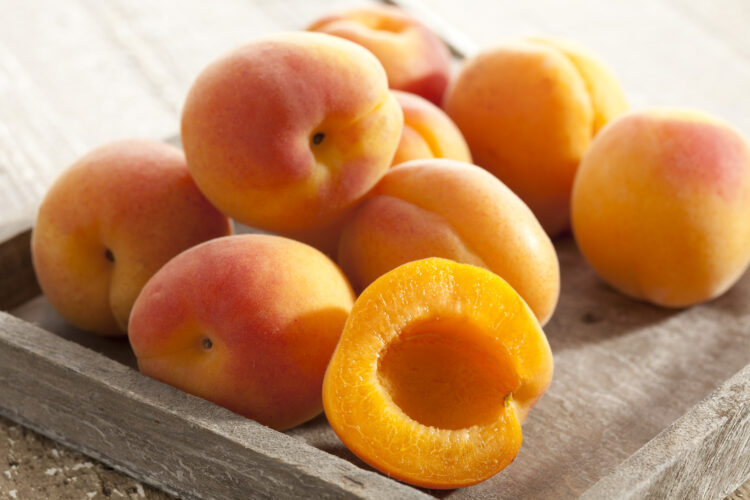
In summer, many people naturally reach for watermelon or peaches. However, apricots—available only during a short window from June to July—are another seasonal fruit well worth adding to the menu. Their sweet-tart flavor can perk up a lagging appetite, while their tender flesh and subtle aroma make them easy to enjoy. Summer can be especially punishing for the skin and eyes due to intense UV rays and constant air conditioning, making in-season apricots a smart, health-conscious snack to keep on hand. Their vibrant orange flesh is packed with beta-carotene and vitamin C, nutrients essential for supporting eye and skin health.
Supporting Eye Health with Beta-Carotene
The deep yellow and orange hue of apricots comes from beta-carotene, a powerful antioxidant compound that the body converts into vitamin A. Vitamin A plays a critical role in helping the eyes recognize objects in low-light environments and keeps the surface of the eyes properly lubricated. Additionally, it supports the health of the skin and mucous membranes, while contributing to antioxidant activity that protects cells from damaging reactive oxygen species.
During the summer, intense sunlight, UV exposure, prolonged smartphone use, and dry air from air conditioning can leave eyes fatigued and dry. Eating beta-carotene-rich apricots regularly is an excellent way to safeguard ocular health during the season.
Revitalizing UV-Stressed Skin with Vitamin C
Summer skin can easily become stressed by external irritants such as UV rays, high temperatures, and sweat. Prolonged exposure to UV light increases reactive oxygen species in the skin, which can leave it looking dry and fatigued. Apricots counteract this by delivering a potent dose of vitamin C alongside beta-carotene.
Vitamin C is required for collagen synthesis and functions as a well-known antioxidant, playing an important role in maintaining skin elasticity and health. Because vitamin C is water-soluble and does not remain in the body for long, it must be consumed consistently through fruits and vegetables. Eating apricots in season allows you to replenish these vital nutrients together.
Maximizing Flavor: From Ripening to Freezing
As an apricot ripens, its orange color deepens and its aroma intensifies. When shopping, choose fruit with a vivid orange hue rather than a yellow tint, ensuring it has unblemished skin and a subtle fragrance. Storage habits also matter. If you purchase apricots that are still slightly firm, let them ripen at room temperature for about a day, then refrigerate them to bring out their maximum sweetness and aroma. Fully ripe apricots should be refrigerated immediately and consumed as soon as possible, as the flesh softens quickly and the aroma fades. Before eating, simply cut away and discard any overly mushy or bruised sections.
Chilling apricots before serving enhances their water content and accentuates their sweet-tart flavor, making them exceptionally refreshing in hot weather. If you purchase a large quantity at once, consider pitting and freezing them. Frozen apricots work beautifully in smoothies or as a yogurt topping, and they can also be blended and frozen to create a refreshing, cold sherbet.
A Golden Pairing for Better Nutrient Absorption
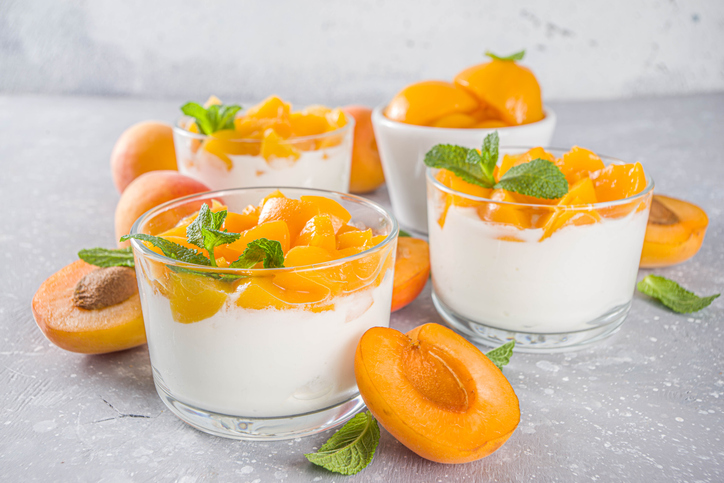
To maximize the health benefits of apricots, pair them with proteins and healthy fats. Because beta-carotene is fat-soluble, the body absorbs it much more efficiently when it is consumed alongside dietary fats. A perfect combination is stirring chopped apricots into Greek yogurt and topping it with a few almonds or walnuts to add protein and unsaturated fats. Pairing apricots with a ricotta cheese salad or mixing them into morning oatmeal are also excellent options.
A serving of two to three apricots paired with a handful of nuts, or a light drizzle of olive oil over an apricot-infused salad, is sufficient to boost absorption. If you crave more sweetness, rely on well-ripened fruit rather than adding heavy syrups or honey. Fully ripe apricots are naturally less tart and possess a stronger aroma, allowing you to enjoy their full sweetness without any extra sweeteners.