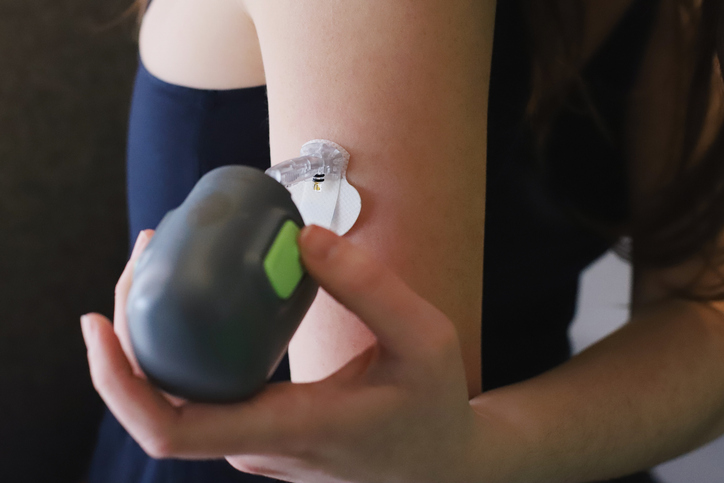
For people with type 1 diabetes who require frequent insulin therapy, continuous glucose monitors (CGMs) have become an indispensable tool for tracking real-time blood sugar fluctuations.
Many patients describe the introduction of CGMs as a profound turning point. Previously, monitoring blood sugar levels demanded frequent fingertip pricks throughout the day, as traditional finger-stick tests were the only option available. Patients are typically advised to check their blood sugar upon waking, as well as before and after meals—meaning someone eating three meals a day would have to draw blood at least seven times daily.
That grueling routine changed dramatically with the advent of the CGM. The device utilizes a tiny sensor attached to the skin to automatically track glucose levels every one to five minutes, offering 24-hour real-time monitoring.
Sharp Drops in Complications and Mortality Rates
Beyond simply improving blood sugar control, CGMs are associated with a sharp decline in diabetes-related complications and overall mortality.
A research team at Samsung Medical Center and the Samsung Advanced Institute for Health Sciences & Technology (SAIHST) analyzed the risks of complications and death among 17,018 adult diabetes patients. The study compared 8,509 patients who utilized CGMs against an equal control group of 8,509 non-users.
The analysis revealed that the CGM group experienced significantly lower complication rates across the board. Notably, the incidence of diabetic ketoacidosis—a life-threatening condition that occurs when a severe lack of insulin forces the body to break down fat for energy, causing toxic ketone bodies to build up in the blood—was 60% lower among CGM users.
The likelihood of developing end-stage kidney disease, a critical condition where kidney function drops below 10% and leaves patients dependent on dialysis or transplantation, was 57% lower in the CGM group. Furthermore, the risk of developing various cardiovascular diseases plummeted by 72%, while the overall risk of death was reduced by 62% compared to non-users.
Insurance Caps Leave Type 2 Patients Behind
Despite their clinical benefits, CGMs carry a major drawback: financial burden. Because the sensors must be replaced at least every two weeks, patients face ongoing monthly expenses ranging from 150,000 to 200,000 won.
Currently, South Korea’s national health insurance coverage for CGMs is limited strictly to patients with type 1 diabetes. These patients suffer from an absolute insulin deficiency due to the destruction of pancreatic beta cells, making self-administered insulin injections a lifelong necessity for blood sugar management.
In contrast, type 2 diabetes involves impaired insulin secretion and insulin resistance, driven by a combination of genetics, age, obesity, and lifestyle factors. Patients with type 2 diabetes remain excluded from national insurance coverage for these devices. This gap presents a significant hurdle, given that type 2 diabetes accounts for more than 90% of all diabetes cases in South Korea, meaning the policy's impact on reducing the nationwide medical cost burden remains limited.
The current subsidy mechanism has also drawn steady criticism. While adult type 1 patients receive coverage for 70% of the device's cost—and patients under 19 receive 90%—the discount is not applied at the point of sale. Instead, patients must pay the full amount upfront and file a reimbursement claim with the National Health Insurance Service later, creating a financial barrier for those unable to afford the initial out-of-pocket costs.
"Using a continuous glucose monitor is a vital strategy for diabetes patients to lower mortality risks and prevent severe complications," said Professor Kim Jae-hyun of the Division of Endocrinology and Metabolism at Samsung Medical Center, who led the study. "Expanding national health insurance support alongside comprehensive patient education will be crucial to improving long-term clinical outcomes."