For individuals living with diabetes, dietary choices are traditionally considered the most critical factor in health management. The human body requires a continuous energy source to sustain life and physical movement, a need met by the nutrients in food—particularly glucose, which is essential for cellular function and energy production. Following a meal, glucose enters the bloodstream to be transported into cells. However, when glucose cannot efficiently enter these cells, it accumulates in the blood instead. This accumulation is what is measured as blood sugar, and diabetes is a chronic disease characterized by the body's inability to properly regulate these levels.
To manage this condition, many medical experts emphasize reducing carbohydrate intake and maintaining strict meal schedules. Refined carbohydrates, such as white rice, flour, and sugar, are digested rapidly, causing sharp spikes in blood sugar. Another effective strategy is altering the sequence of food consumption: eating vegetables first, followed by protein, and leaving carbohydrates for the end of the meal. This sequence creates a buffer that prevents glucose from rising too quickly. Yet, achieving optimal blood sugar targets often demands lifestyle modifications that extend far beyond the dinner table.
Circadian Rhythms: The Hidden Key to Hitting Glucose Targets
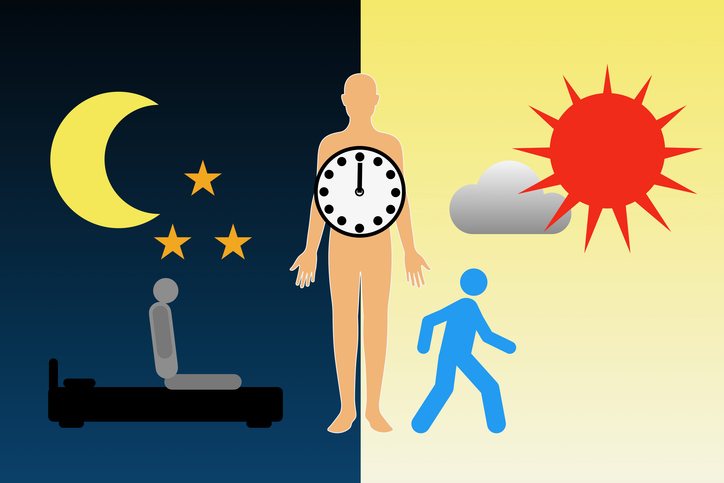
A joint research team from Korea University Ansan Hospital, Korea University Anam Hospital, and Sun Moon University has revealed that blood sugar control in diabetes patients is intimately linked to their biological rhythms. A biological rhythm, or circadian rhythm, is the internal clock by which the body regulates its functions in sync with the natural cycle of day and night. During daylight hours, the body optimizes hormones and energy metabolism to promote wakefulness and physical activity. At night, when the body requires rest, it lowers core body temperature and increases the release of sleep-inducing hormones to facilitate deep recovery.
Typically, circadian rhythms are analyzed by tracking sleep duration, physical activity patterns throughout the day, and heart rate fluctuations. To study this relationship, the research team monitored 122 diabetes patients receiving treatment at Korea University Ansan Hospital. Participants concurrently wore a continuous glucose monitor and a wearable activity tracker for 10 days, allowing researchers to collect real-time data on glucose fluctuations alongside biological rhythm metrics.
The data analysis revealed that patients who maintained stable biological rhythms were significantly more likely to achieve their blood sugar management targets. A stable biological rhythm indicates that external routines remain closely aligned with the body's internal state. Individuals who experience normal daytime hormone releases, proper nighttime sleep hormone secretion, and consistent bedtimes display high rhythm stability. Conversely, stability drops sharply when sleep schedules are erratic or hormone patterns are disrupted. Specifically, the patient group with the highest biological rhythm stability demonstrated a 46.3% probability of meeting their blood sugar targets—more than double the 20% success rate observed in the lowest stability group.
The Critical Impact of Activity Timing and Sleep Quality
The study also demonstrated that the timing of physical activity plays a critical role in daily glycemic control. By comparing daily step counts across specific time windows with real-time glucose metrics, the researchers discovered that patients who were highly active in the afternoon, between 12:00 p.m. and 6:00 p.m., spent significantly more time within their target blood sugar range.
Sleep duration proved to be another major determinant. Patients who secured adequate, high-quality rest exhibited a lower overall risk of hypoglycemia and experienced far fewer volatile swings in their blood sugar throughout the day.
Lee Da-young, a professor in the Division of Endocrinology at Korea University Ansan Hospital who participated in the study, noted, "Conventional diabetes management has traditionally focused almost exclusively on diet, exercise, and pharmacological therapy. Integrating habits that preserve a regular and stable daily rhythm can help patients manage their blood sugar much more effectively."
Moving forward, the research team plans to conduct further clinical validation to determine whether targeted interventions aimed at correcting disrupted biological rhythms yield measurable improvements in blood sugar control. Additionally, they aim to investigate the broader links between circadian stability and various chronic diabetes complications, including diabetic kidney disease and retinopathy.