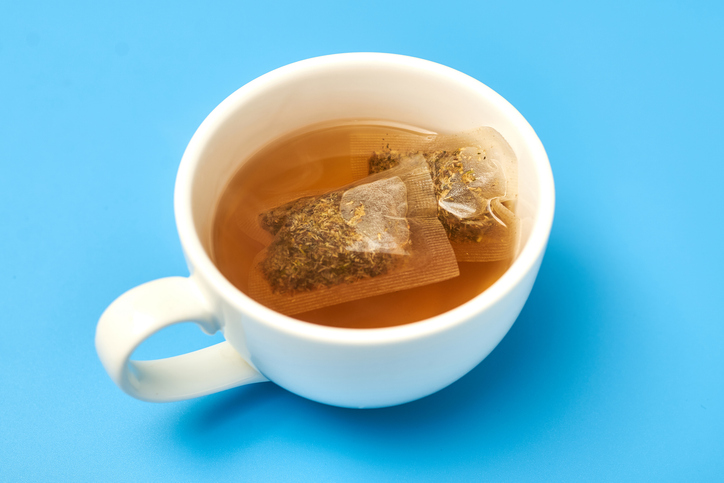
After enjoying a warm cup of green tea, most people instinctively toss the used tea bag into the trash. However, even after brewing, these tea leaves retain an abundance of beneficial bioactive compounds, including catechins and saponins. Finding clever ways to reuse them before disposal not only minimizes household waste but also provides a highly effective, eco-friendly toolkit for everyday domestic tasks.
Cellular Protection and Metabolic Support
Before looking at its household applications, it helps to understand green tea’s potent biological blueprint. Green tea is densely packed with antioxidants that actively mitigate oxidative stress by neutralizing reactive oxygen species (ROS) within the body. Left unchecked, an accumulation of ROS can attack healthy cells and trigger chronic inflammation—a primary driver of accelerated aging and oncogenesis.
Chief among these antioxidants are catechins, the polyphenols responsible for green tea's signature astringent, slightly bitter profile. Catechins have been shown to stimulate lipid metabolism, making them a popular focus in weight management and vascular health research. Regular consumption of green tea is also linked to improved blood pressure regulation, enhanced cognitive memory, bolstered immune function, and a reduced risk of type 2 diabetes.
Natural Deodorization: Refreshing the Fridge, Microwave, and Beyond
The utility of green tea leaves extends far beyond the teapot. (Because green tea contains caffeine, healthcare professionals advise against using it as a direct substitute for regular water intake). Instead, once a repeatedly steeped tea bag has cooled to room temperature, it can be repurposed for oral hygiene. Swishing the liquid for roughly 30 seconds can aid in cavity prevention, as the remaining catechins inhibit Streptococcus mutans, the primary bacteria responsible for tooth decay.
Furthermore, catechins excel at breaking down volatile odor molecules, turning spent tea bags into highly efficient, natural deodorizers for common kitchen appliances. Squeezing out excess moisture and placing a few used bags on a refrigerator shelf will quickly neutralize stubborn, musty food odors.
For microwave maintenance, place a damp tea bag inside the chamber and heat it on high for 30 seconds to 1 minute. As the catechins disperse with the rising steam, they neutralize lingering food odors. This method is equally effective for refreshing greasy frying pans: simply fill the pan with enough water to cover the bottom, add one or two used tea bags, and bring it to a boil for about 5 minutes to activate the odor-neutralizing compounds.
Cutting Through Kitchen Grease and Revitalizing Hair Care
Beyond deodorization, used green tea bags can enhance your personal care and cleaning routines. Incorporating a green tea rinse as the final step of a hair-washing routine can promote a cleaner, healthier scalp. The lingering catechins and tannins in the water deliver a potent astringent effect that deep-cleanses pores and removes residual buildup left behind by commercial shampoos.
Green tea is also rich in saponins, natural chemical compounds celebrated for their antimicrobial, anti-inflammatory, and surfactant properties. Because saponins act as natural emulsifiers that break down oils, spent tea bags double as excellent kitchen wipes. Rubbing a used tea bag over oil-splattered kitchen tiles, stovetops, or backsplashes makes it significantly easier to lift away stubborn, greasy grime without relying on harsh chemical cleansers.