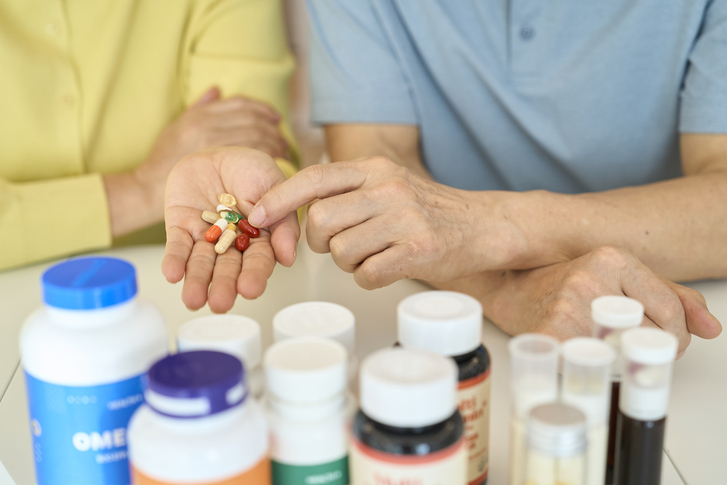
Many people take a cocktail of medications, vitamins, and dietary supplements daily, hoping to safeguard their health. However, overdoing it can backfire. In essence, consumers may be spending money to inadvertently harm their own bodies, with some taking so many products that they bypass the dosing instructions entirely. Because the liver and kidneys are responsible for filtering toxins from the body, excessive doses can quickly overwhelm and severely damage these vital organs.
The Risk of Vitamin D Overload and Organ Calcification
While vitamin D is widely celebrated for supporting bone health and immunity—and is frequently paired with calcium—excessive intake significantly elevates the risk of hypercalcemia, a condition characterized by abnormally high calcium levels in the blood. According to data from the Korea Disease Control and Prevention Agency (KDCA), if symptoms like nausea, vomiting, and weakness develop and blood calcium levels remain elevated, tissue calcification can occur. This process can cause the heart, lungs, and kidneys to harden.
Experts emphasize that vitamin D should only be taken after consulting a healthcare professional to determine the correct dosage. If toxicity occurs, supplementation must stop immediately, and patients may require intravenous fluid therapy alongside targeted medical testing and treatment for hypercalcemia at a hospital.
Hidden Toxins in Common Cold Medicines and Herbal Remedies
In South Korea, reported causes of toxic liver injury frequently include prescription medications, herbal medicines, health supplements, and traditional folk remedies. Toxic liver injury occurs when the volume of toxins entering the body surpasses the liver's capacity to process them, damaging liver cells. A primary culprit in direct, toxin-induced liver injury is acetaminophen, a ubiquitous active ingredient found in standard over-the-counter cold medicines and pain relievers. While typical doses are perfectly safe, exceeding the recommended limit can quickly trigger severe liver damage.
Because prescription medications undergo rigorous clinical trials, their potential risks to the liver are relatively well-documented. Notable examples include certain antibiotics, antifungals (such as treatments for athlete's foot), tuberculosis medications like isoniazid, and nonsteroidal anti-inflammatory drugs (NSAIDs). Patients prescribed these medications should consult closely with a doctor or pharmacist. Conversely, health supplements, herbs, and folk remedies rarely undergo standard clinical trials, meaning their potential toxicity profiles often remain entirely unknown.
The Muscle-Building Trend and Kidney Strain
Driven by recent fitness trends, an increasing number of individuals are consuming high-protein foods alongside specialized protein supplements to build and maintain muscle. However, taking these supplements habitually can easily lead to excessive protein consumption. Over time, this surplus burdens the kidneys, which must work continuously to filter and excrete the resulting metabolic waste products.
While supplements can effectively complement a standard diet, they are not essential foods meant to replace whole meals. For individuals already meeting their nutritional needs through regular meals, additional protein supplementation is generally unnecessary. Ultimately, a high-protein regimen is not a one-size-fits-all requirement; its necessity should be carefully evaluated based on an individual's actual daily dietary intake and physical activity levels.