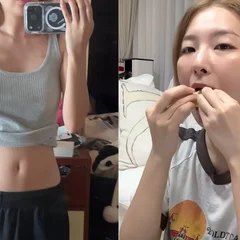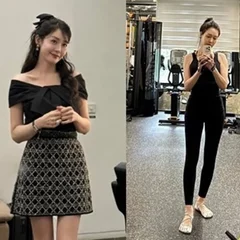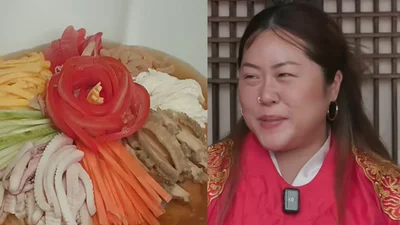


K-pop group IVE’s Gaeul and Rei recently opened up about the realities of dieting during a live broadcast. On the 9th, while in Singapore for a concert, the two chatted with fans about meal planning and the psychological toll of strict management. "Once you actually start dieting, you end up obsessing over foods you normally wouldn't even think about," Rei admitted.
Even idols accustomed to rigorous schedules find overly restrictive approaches burdensome. The duo agreed that they "can't do a salad-only diet anymore," instead advocating for a more sustainable method: eating appropriate amounts of rice and gradually reducing intake over time.
When Dieting, Do You Really Have to Cut Out Rice?
One of the first things many people do when starting a diet is skip rice entirely. As a carbohydrate, it is often viewed as an enemy of weight loss, but unconditional restriction isn't always the right move.
Rice is a staple of the Korean diet. For those used to rice-centered meals, a sudden switch to salads can leave them feeling hungry and unsatisfied. This drop in meal satisfaction often leads to cravings for high-calorie snacks, bread, or late-night binges.
"It’s important to eat less and eat an appropriate amount," Rei advised. "Even when you’re managing your diet, make sure you still eat some rice." The key is not whether you eat rice, but how much you consume. A realistic starting point is serving one-third less than usual while pairing it with proteins like fish, tofu, or chicken, and fiber-rich vegetables that require more chewing to increase satiety..

The “Gaeul-Style” Diet: Portion Control Over Restriction
Gaeul echoed Rei’s sentiments, emphasizing the goal of "shrinking your stomach." She explained, "If you naturally shrink your stomach, you feel full even with a small amount. Your stomach is happy and your brain is happy, too."
From a medical perspective, this isn't about the stomach physically changing size in a short window, but rather about habituating the body to feel satisfied with smaller portions. Drastically cutting portions overnight often leads to stress and rebound hunger. Instead, reducing intake incrementally and chewing slowly gives the brain time to recognize fullness signals, making the diet sustainable in the long term.

Trendy "Natural Wegovy" vs. Personal Sustainability
The broadcast also touched on the trending "natural Wegovy" diet—a combination of a boiled egg with olive oil and black pepper designed to maximize fullness through protein and healthy fats.
While the trend has gained traction online, Rei and Gaeul offered a more grounded reaction. "Can that really work with just that?" Rei asked, while Gaeul noted she finds boiled eggs difficult to eat without salt. Their honest take highlighted a crucial point: no matter how trendy a diet is, it won't work if you can't stick to it.
Furthermore, it is a stretch to compare these food combinations to Wegovy, a clinical anti-obesity medication. While certain foods help manage satiety, they do not regulate appetite with the pharmacological strength of a prescription drug.
Ultimately, the takeaway from the IVE members is to avoid fad diets in favor of a routine that works for your own body. Adjusting portions and focusing on meal composition rather than total elimination is the true starting point for healthy, long-term weight management.