Once a stain sets into light-colored fabric, it can become a permanent eyesore. Whether it’s on clothing, bedding, or carpets, effectively removing organic matter like blood, urine, or vomit requires specific chemical reactions rather than just a standard wash cycle.
When treating any stain, always wear disposable gloves and blot from the outside of the stain toward the center to prevent it from spreading. Critical safety note: Never mix chlorine bleach with ammonia. This combination creates toxic gas that can cause severe respiratory harm.
Here are expert-recommended tips for tackling specific types of stains:
◆ Red Wine
For wine spills on clothing, submerge the item for 15 minutes in a solution of 1 liter of lukewarm water mixed with 1/2 teaspoon of liquid dish soap and 1 tablespoon of white vinegar. After soaking, use a cloth dampened with rubbing alcohol to gently rub from the center of the stain outward. Follow this by soaking the item for another 30 minutes in a liter of warm water mixed with 1 tablespoon of an enzyme-containing laundry detergent.
◆ Underarm Sweat Stains
When sweat stains oxidize and turn yellow on white clothing, they require a multi-step approach. First, soak the area in cold water or blot with a sponge, then immerse the garment for 30 minutes in warm water mixed with an enzyme detergent. Next, spray the affected area with a mixture of 1 tablespoon ammonia, 1/2 teaspoon liquid soap, and 1 liter of warm water. Apply laundry detergent or bar soap directly to the spot and rub. Finally, launder using the hottest water setting safe for the fabric and air-dry.
◆ Blood
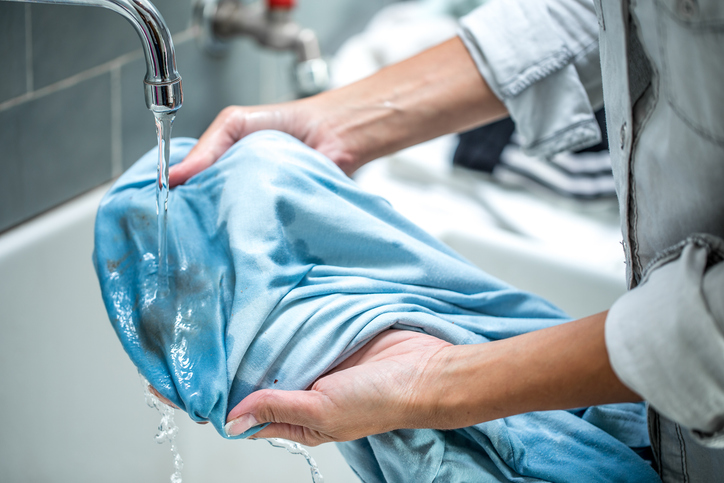
The most important rule for blood is to rinse immediately with cold water; hot water will "cook" the protein into the fibers. Apply liquid detergent or soap and rub the fabric against itself, rinsing repeatedly under cold running water. Afterward, soak the garment in cold water for 30 minutes. For persistent stains, apply a small amount of hydrogen peroxide, let it sit for a few minutes, and rinse thoroughly.
◆ Urine, Mucus, and Infant Formula
First, scrape off any solid residue. Create a solution of 1 liter of lukewarm water, 1/2 teaspoon of liquid dish soap, and 1 tablespoon of ammonia. Soak the clothing for 15 minutes, gently rubbing the stain with a cloth. Repeat the soak for another 15 minutes, rinse, and then submerge the garment for at least 30 minutes in an enzyme-containing detergent before running it through a standard machine wash.
◆ Vomit
Begin by wiping the area with paper towels. For carpets or upholstery, apply baking soda to absorb moisture, then clean the entire area with soapy water. For clothing, wash with detergent using the hottest water setting and the longest cycle available. To finish, disinfect the surrounding area with a solution of 1 cup of regular bleach mixed into approximately 3.7 liters of water.
◆ Mold and Mildew
Mold can quickly digest and damage fabric fibers, so speed is essential. Wash the affected clothing with soap and water, rinse, and dry in direct sunlight, as UV rays help kill mold spores. If the stain persists, apply a mixture of lemon juice and salt to the spot and allow it to dry outdoors in the sun.