The era in which local universities take a leading role in "integrated healthcare" has officially begun. Advanced facilities—including an AI Creative Center, an IR Center, and a Dementia Prevention Center—are being established alongside curricula that merge artificial intelligence and big data with traditional medical services.
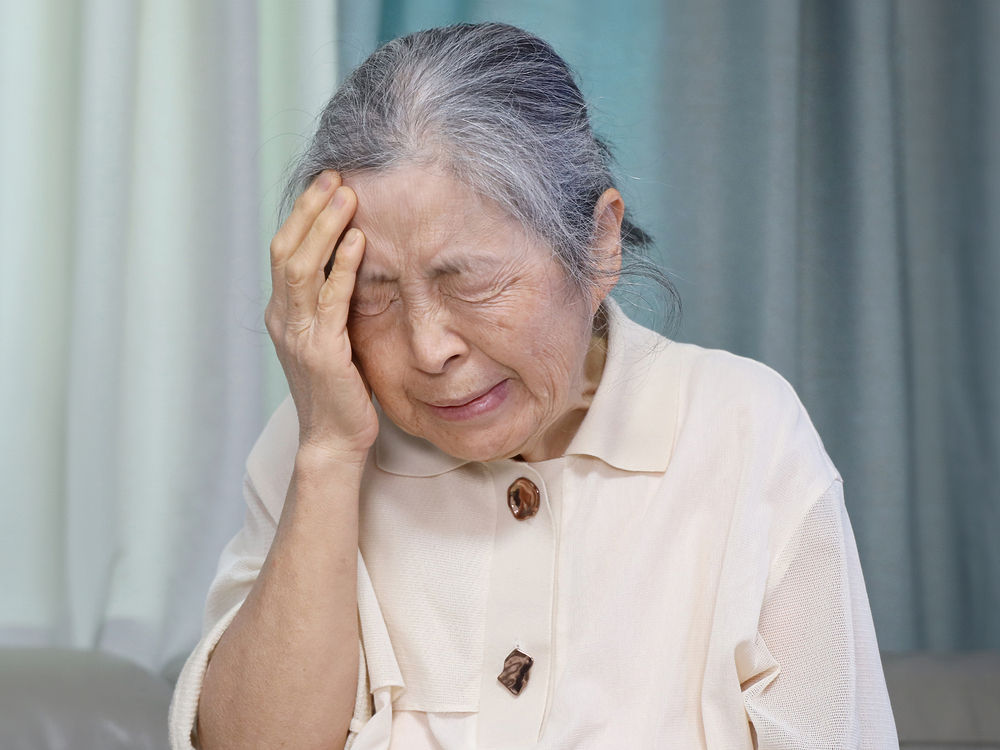
As South Korea transitions into a super-aged society, health has shifted from an individual concern to a core national agenda. With rising life expectancy and the intersection of chronic diseases and mental health challenges, the importance of "integrated healthcare"—spanning public health, medical care, and physical activity—has never been higher.
Healthcare as a core pillar for job-ready talent
Keimyung College University (KMCU) in Daegu is drawing significant attention for its new model of cultivating region-based healthcare professionals. Through the government-led "Regional Innovation-Centered University Support System (RISE)," KMCU has designated healthcare as a primary pillar among the five future industries fostered by Daegu Metropolitan City.
This represents a strategic response to regional industry shifts and demographic changes. Experts predict the healthcare industry will rapidly expand beyond traditional care into a convergent field driven by digital technology. Consequently, regional universities are being redefined as central pillars of the industrial ecosystem, responsible for cultivating talent that can settle and drive local economic growth.
KMCU focuses on "immediate field deployment" by integrating nursing, administration, rehabilitation, psychology, and sports into a single educational system. This aligns with the global shift from treatment-centered care to a model focused on prevention and lifelong management.
A network of 48 regional institutions
This strategic direction is reflected in KMCU's "practice-oriented education system." To ensure students are field-ready, the university has established a collaboration network with 48 institutions, including Keimyung University Dongsan Hospital and various regional hub hospitals and companies. This "regional settlement-type" ecosystem creates a direct pipeline from education to employment.
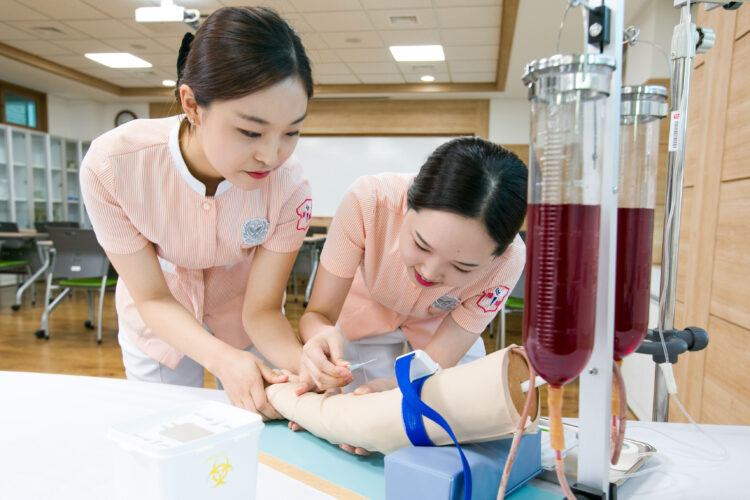
The infrastructure supports this "High Tech, High Touch (HTHT)" philosophy, blending technology-centered education with human-centered care. Key facilities include "field mirror-type practicum rooms" that faithfully replicate real hospital environments to maximize student adaptability.
Specific departmental achievements include:
Department of Nursing: Recently obtained a five-year accreditation, focused on cultivating "glocal" nursing leaders.
Department of Health Administration: Strengthening practice-centered education to respond to the Fourth Industrial Revolution in healthcare information management.
Extending healthy life expectancy through diverse disciplines
As the demand for prevention-centered health management grows, KMCU is expanding into specialized areas:
School of Leisure Sports: Training professionals in lifestyle sports (such as park golf and billiards) to promote physical activity among the aging population.
Mental Health & Rehabilitation: The Department of Psychological Counseling Care and the Department of Speech Therapy produce experts in mental wellness and communication disorders, while Occupational Therapy and Medical Rehabilitation focus on supporting independence for older adults and those with disabilities.
Emergency & Dental Services: The Department of Emergency Medical Services and the Department of Dental Hygiene cultivate essential field-response talent to protect community health.
"Healthcare is rapidly expanding into a core industry encompassing prevention, rehabilitation, and mental health," says President Park Seung-ho. "KMCU will continue to advance this industry by cultivating talent rooted deeply in our regional infrastructure."