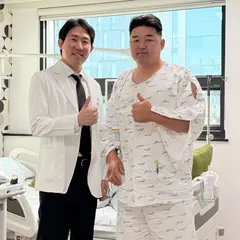
Busan Paik Hospital’s pediatric surgery, neurosurgery, orthopedic surgery, ophthalmology, and dentistry teams have joined forces to close critical gaps in care. With pediatric emergency visits rising, these departments have established a unified front to ensure that children in the region receive life-saving treatment without delay.
Last month in Ulsan, a 3-year-old boy swallowed a 1 cm lithium battery. If a lithium battery remains in the esophagus, it can cause severe internal burns and life-threatening complications. Because the incident occurred at night, the top priority was finding an emergency department (ED) capable of specialized pediatric care.
When the Ulsan 119 Situation Room contacted Busan Paik Hospital, the facility agreed to accept the patient immediately. Upon arrival, the battery was safely removed through an emergency procedure. After his condition stabilized, the child was discharged home safely.
Closing the gap in specialized pediatric care
Pediatric emergencies often involve far more than a simple cold or fever. Parents often struggle to find appropriate care late at night or on holidays, especially for injuries or surgical needs. While "Moonlight Children’s Hospitals" exist for minor illnesses, facilities capable of treating specialized emergency conditions are limited. Furthermore, a chronic shortage of pediatric specialists often leads to "ER runaround," where ambulances are turned away from hospitals unable to accept young patients.
In response, Inje University Busan Paik Hospital, led by Director Jae-wook Yang, has implemented extraordinary measures to strengthen the regional safety net. Centered on its Emergency Medical Center, the hospital now operates a 24/7 collaborative-care lineup. This system allows for the prompt treatment of various emergencies, including appendicitis, bowel obstructions, fractures, head injuries from falls, ocular foreign bodies, and dental trauma.
A regional hub for pediatric surgery and specialized fields
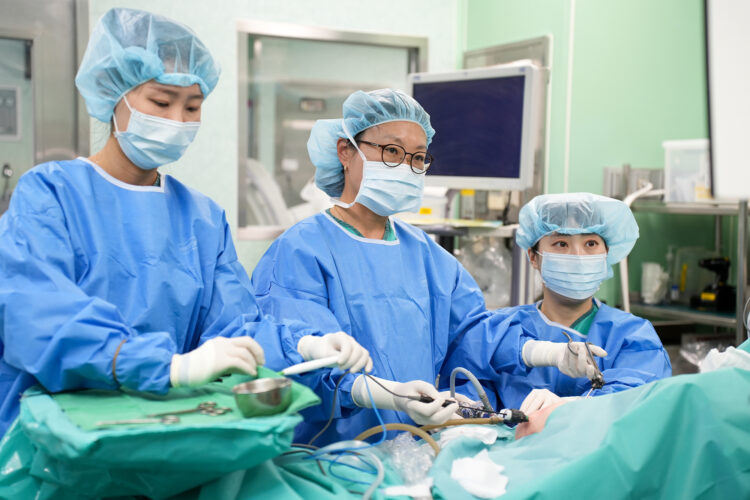
Notably, the hospital’s pediatric surgery department boasts the largest number of subspecialists in the Busan–Ulsan–Gyeongnam region. In collaboration with the Department of Radiology, they operate the “Child Reassurance Pediatric Surgery Team,” providing on-call coverage 365 days a year. The inclusion of pediatric ophthalmology and dentistry is particularly significant, as these specialized services are rarely available at night or on holidays.
To ensure seamless patient transport, Busan Paik Hospital has established a dedicated direct hotline for 119 rescue and ambulance teams. This system allows paramedics to share patient conditions in real-time, ensuring the hospital is prepared for the patient’s arrival.
The last line of defense
Since this comprehensive reorganization, the number of pediatric emergency patients at Busan Paik Hospital has increased more than threefold. By actively accepting complex cases that primary and secondary hospitals cannot handle, the hospital has become the "last line of defense" for the region.
Recent successes highlight the importance of this collaborative model. In one instance, a 14-year-old boy with a bicycle-related arm fracture was transferred to the hospital after preoperative tests showed elevated liver enzymes, making anesthesia risky. The orthopedic, pediatric, and internal medicine teams collaborated to stabilize the patient and perform the surgery safely. In another case, a 1-year-old suffering from an inguinal hernia received immediate laparoscopic repair from a pediatric surgery specialist after a nearby hospital was unable to reduce the hernia.
"Because pediatric emergencies occur unpredictably, rapid decision-making and specialized treatment are more important than anything else," said Hospital Director Yang Jae-wook on the 8th. "We will continue to build a robust collaborative system to serve as a hub that fills the gaps in pediatric care across the Busan–Ulsan–Gyeongnam region."