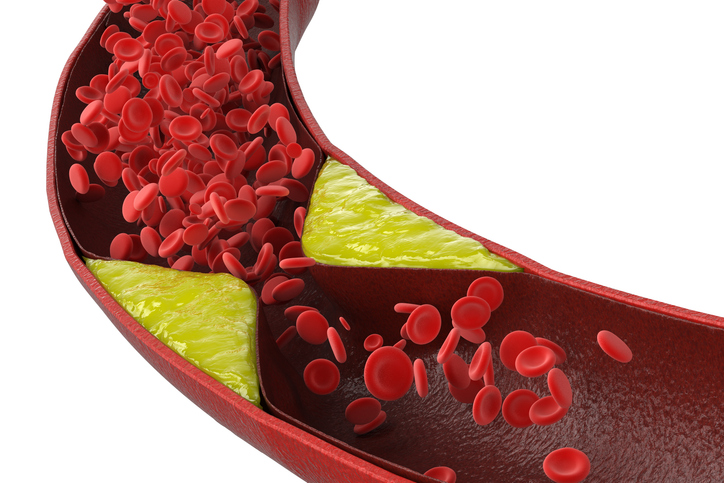
Heart disease often appears as a sudden crisis, but it is typically the result of risks that have quietly accumulated within blood vessels over decades. The 2026 Guideline on the Management of Dyslipidemia, released jointly by the American College of Cardiology (ACC) and the American Association (AHA), targets this exact progression.
The core message of the first update in eight years is a shift toward earlier intervention and precision medicine. Rather than waiting for middle age, the new guidance encourages assessing risk as early as childhood and predicting the likelihood of myocardial infarction and stroke up to 30 years into the future.
Comprehensive Collaboration for a New Standard
Published simultaneously in the Journal of the American College of Cardiology (JACC) and Circulation, the 2026 guideline is the result of an extensive collaboration. Participating organizations include the American Diabetes Association (ADA), the American Geriatrics Society (AGS), and the National Lipid Association (NLA), among others. It officially supersedes the 2018 cholesterol management standards.
Screening Starts Earlier with a Focus on Genetics
At the heart of the revision is an aggressive strategy to lower low-density lipoprotein cholesterol (LDL-C), the "bad cholesterol" responsible for atherosclerotic plaque. However, the guideline now moves beyond LDL-C to include a more granular analysis of individual risk markers:
Lipoprotein(a) [Lp(a)]: A genetically determined marker. The guideline recommends every adult be tested at least once. Levels above 125 nmol/L increase cardiovascular risk by 1.4-fold, while levels at 250 nmol/L or higher can double the risk.
Apolipoprotein B (apoB) and hsCRP: These markers are highlighted for a more precise understanding of metabolic and inflammatory risk.
Childhood Screening: To catch conditions like familial hypercholesterolemia early, the guideline recommends universal cholesterol screening for children aged 9–11.
The PREVENT Era: Overhauling Risk Calculation
A major technical shift is the introduction of the PREVENT (Predicting Risk of Cardiovascular Disease EVENTs) calculator. Unlike previous models that focused on 10-year risks for those over 40, PREVENT applies to adults aged 30–79 and estimates both 10-year and 30-year risks. By incorporating blood glucose and kidney function, the new model aims to correct previous equations that may have overestimated 10-year risks by 40–50%.
The guideline also expands on "risk enhancers" to guide treatment decisions. These include:
Pregnancy-related histories (preeclampsia, gestational diabetes, premature menopause).
Chronic inflammatory conditions (rheumatoid arthritis, lupus).
Ancestry-based genetic characteristics and obesity.
When blood tests leave room for doubt, the Coronary Artery Calcium (CAC) scan is recommended as an adjunct tool to detect "hidden atherosclerosis" in borderline-risk groups.
Refined Treatment Targets
While lifestyle modifications—diet, exercise, sleep, and smoking cessation—remain the foundation, the guideline is more proactive regarding medication.
Pharmacotherapy Strategy:
Statins remain the primary pillar.
Non-statin agents (ezetimibe, bempedoic acid, or PCSK9 monoclonal antibodies) are recommended if LDL-C lowering is insufficient.
New LDL-C Targets:
Borderline/Intermediate Risk: Below 100 mg/dL.
High Risk: Below 70 mg/dL.
Very High Risk (Existing Disease): Below 55 mg/dL.
This revision signals that cholesterol management is no longer just about a single snapshot of a health report. We have entered an era of precision prevention that weighs genetic predispositions and long-term prognosis to stop heart disease well before blood vessels begin to deteriorate.
Source: ACC/AHA/AACVPR/ABC/ACPM/ADA/AGS/APhA/ASPC/NLA/PCNA Guideline on the Management of Dyslipidemia. JACC, 2026; DOI: 10.1016/j.jacc.2025.11.016.