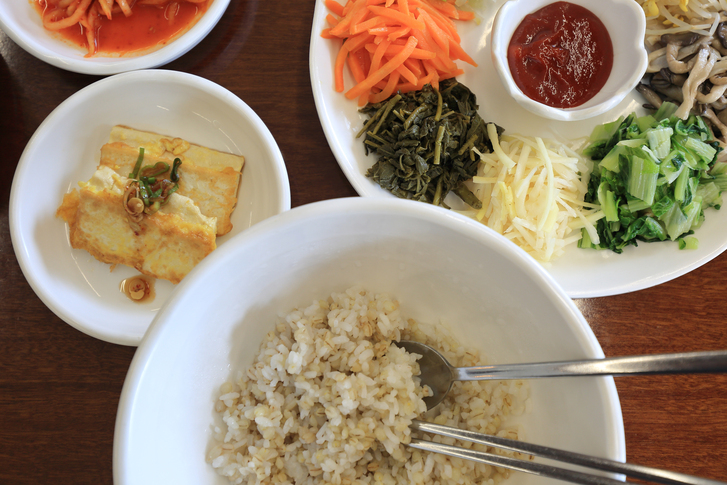
Multigrain rice is a dietary staple that often divides opinion; while some swear by its benefits, others avoid it due to digestive sensitivity or a preference for the texture of white rice. However, for middle-aged and older adults, health often takes precedence over flavor. Barley and oats are particularly effective at managing blood sugar and protecting blood vessels, making them essential additions to a longevity-focused diet.
Why are they effective for diabetes and high cholesterol?
The standout nutrient in both barley and oats is beta-glucan. This soluble dietary fiber slows the absorption of glucose, preventing the sharp insulin spikes that follow a meal. Furthermore, beta-glucan helps the liver clear "bad" cholesterol (LDL) from the bloodstream.
In addition to supporting diabetes management, these grains are potent tools against dyslipidemia and obesity. Oats, in particular, are rich in heart-healthy unsaturated fatty acids, which strengthen the vascular system.
The detoxifying power of barley tea
Barley tea has long been a household favorite, traditionally made by roasting and boiling hulled barley. Historically, it was used to improve the quality of tap water, as the boiling process was believed to help "cleanse" the water by binding to harmful substances.
Modern nutritional science confirms that consuming barley can help the body bind and excrete fatty acids, cholesterol, and even heavy metals. It is also effective at flushing out certain carcinogenic substances, such as nitrosamines. Its profile is considered so safe and beneficial that it remains a common choice for infants.
Protecting the colon from processed meats
According to the National Cancer Information Center, diet is the single most influential factor in the development of colorectal cancer. Diets high in saturated animal fats and processed meats—like ham and sausages—significantly increase risk. A lack of dietary fiber further compounds this, as it allows carcinogens to be absorbed more quickly during digestion.
Because barley and oats are exceptionally high in fiber, they act as a "buffer" for red meat consumption, promoting colon health by accelerating the transit of waste through the digestive tract.
The rise of oats and oatmeal
Oats have become a global breakfast standard, primarily in the form of oatmeal. They are recognized as one of the most valuable plant-based protein sources available. In South Korea, many are now replacing traditional breakfasts with oat-based grain drinks, porridges, or mixing oats directly into their rice.
A common ratio is adding 20% to 30% oats to a rice cooker. This simple adjustment significantly increases the beta-glucan content and boosts the meal's antioxidant properties, helping to reduce oxidative stress throughout the body.