
When you scratch an itch, there is usually a natural moment when your hand stops. This isn't necessarily because the itch is gone, but because the body sends a signal saying, "That’s enough." For those suffering from chronic conditions, however, this "off switch" seems to malfunction. New research suggests that the inability to stop scratching may be a physiological failure rather than a lack of self-control.
A research team led by Professor Roberta Gualdani at KU Leuven in Belgium presented these findings at the 70th Annual Meeting of the Biophysical Society, held in San Francisco from February 21 to 25, 2026. By identifying a specific neural pathway responsible for halting the scratching reflex, the study offers a new perspective on chronic itch management.
TRPV4: The Protein That Governs the Scratching Limit
Most itch research focuses on why we feel the sensation in the first place, often pointing to skin inflammation or immune responses. This study shifted the focus to the "stop signal," specifically investigating a protein called TRPV4. Found in the skin and nerves, TRPV4 is responsible for sensing temperature, pressure, and pain.
Using animal models, the researchers observed mice that lacked this protein in their sensory nerves. While these mice actually scratched less frequently overall, once they started, they were unable to stop for significantly longer periods than normal mice. The researchers interpreted this as a weakened feedback signal; without TRPV4, the "That's enough" message never reached the brain, suggesting that the circuit for stopping an itch is entirely separate from the circuit that feels it.
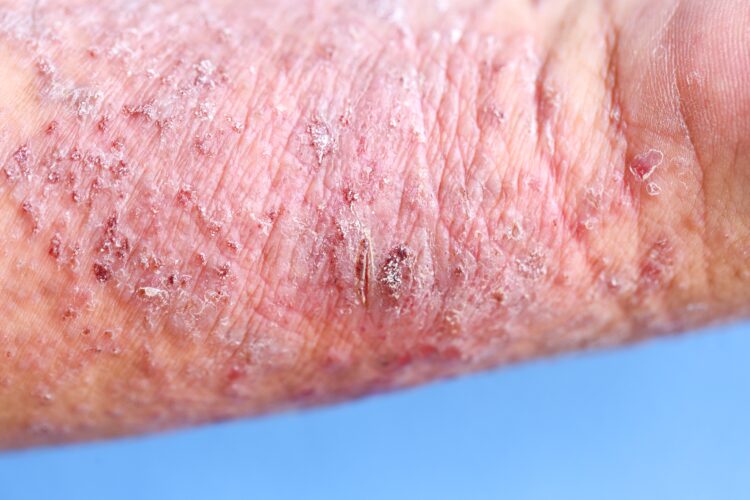
Shifting the Strategy for Chronic Skin Conditions
For patients with atopic dermatitis or psoriasis, the nightly struggle against itching is often the most debilitating part of the disease. This research suggests that their inability to stop scratching is not a "bad habit" but a potential breakdown in physiological mechanisms.
If these findings are validated in human trials, treatment strategies could shift. Instead of only suppressing the itch itself, future therapies might focus on preserving or reinforcing the "stop signal." While the research is currently in the presentation phase and awaits formal journal validation, it provides a promising direction for those who find it impossible to endure the urge to scratch.
Questions About Nighttime Itching
Q1. Why does itching get worse at night? At night, body temperature naturally rises and skin moisture levels drop, which can intensify itch signals. Furthermore, with fewer environmental distractions, the brain becomes more focused on small skin sensations. In atopic dermatitis, these physiological changes are a primary reason symptoms peak during sleep.
Q2. Why is it so difficult to stop scratching even when I know I shouldn't? Itching is a complex sensory response involving the nerves and brain, making it difficult to override by willpower alone. Scratching creates a minor pain stimulus that temporarily masks the itch, providing a brief sense of relief. This reinforces the behavior. Recent studies, like the one from KU Leuven, suggest that a specific neural "off switch" may also be malfunctioning in chronic cases.
Q3. What conditions should I suspect if itching persists? While skin diseases like atopic dermatitis or psoriasis are common, persistent itching without a rash can signal internal issues. Liver disease, kidney dysfunction, thyroid problems, and diabetes are all known to cause systemic itching. If the sensation is accompanied by fatigue or unexplained weight loss, medical attention is necessary.
Q4. Is it always better to endure the itch without scratching? Simply "toughing it out" can lead to extreme stress and sleep deprivation, which lowers quality of life. However, scratching causes inflammation and skin damage. A better approach is to manage the sensation with moisturizers or cold compresses. If these fail, clinical treatment is required to address the underlying cause.
Q5. When should I see a doctor for an itch? You should seek medical advice if itching prevents you from sleeping or if it occurs all over the body without an obvious cause. If itching is accompanied by jaundice, swelling, or a persistent rash, it could indicate an underlying internal condition that requires a specialist's diagnosis.