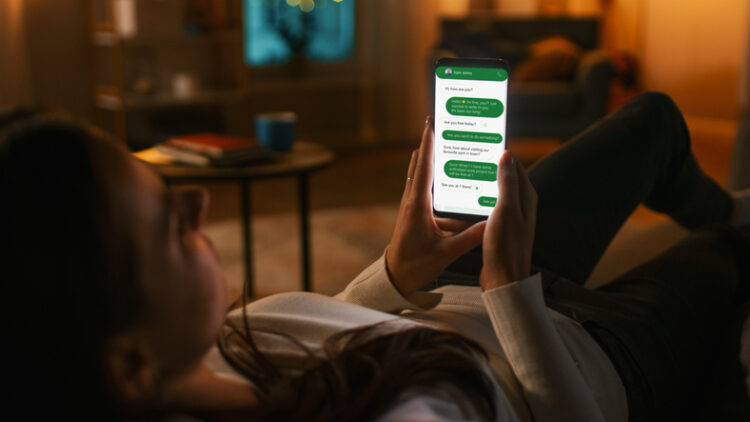
Valentine’s Day is a season where calendars are packed with first dates, each one a blend of excitement and nervous tension. If you’ve spent the evening with a crush and hope to see them again, the "post-date text" is your most critical move. New research reveals that your timing doesn't just convey interest—it actively shapes how attractive and trustworthy you appear to your potential partner.
The "Moderate Delay" Strategy
A study led by Professor David Rosenthal from Leuphana University in Germany analyzed the emotional and relational impact of message timing. The team surveyed 543 adults, ranging in age from 18 to 79, with findings recently published in the Journal of Social and Personal Relationships.
Participants were asked to imagine a successful first date at a nice Italian restaurant. They were then split into three groups to evaluate their feelings based on when their date reached out:
Immediately after the date.
The next morning.
Two days later.
The results were clear: participants who imagined receiving a text the next morning showed the highest intention to pursue a long-term relationship. Conversely, those who were made to wait two days had the lowest interest in a second date.
"Many people struggle with when to hit send," Professor Rosenthal explained. "While popular culture often advises 'playing it cool' by waiting a few days, our research shows that being too late is a disadvantage. The next morning provides the perfect 'moderate delay'—showing interest without appearing desperate."
The Power of the Immediate Text
While the next morning was best for long-term intent, sending a message immediately after the date had its own perks. This group reported the highest levels of "chemistry" and felt more confident about reaching out themselves to arrange a second meeting.
An immediate text reduces the "rejection anxiety" that often follows a first encounter. Interestingly, while some female participants labeled immediate texters as slightly "clingy," this perception did not actually decrease their willingness to see the person again.
The Six-Hour Window
In a follow-up study involving 100 adults from the UK and the US, the research team narrowed the window even further. They found that relationship intentions peaked when contact was made approximately six hours after the date ended.
According to the data:
Under 20 minutes: Perceived as "too early."
Over 40 hours: Perceived as "too late."
Dr. Lars Teichmann, a lead researcher in the follow-up, stated, "The data replaces guesswork with clear criteria. While immediate messages signal strong attraction, the next morning remains the most ideal balance." He also noted that women tend to be more sensitive to these timing nuances than men.
The research team plans to move beyond timing in their next phase, analyzing how the specific content of that first message influences the potential for a lasting bond.