While they may look identical on supermarket shelves, the nutritional profile of tofu can shift dramatically based on a single line on the ingredient label. Beyond being a reliable plant-based protein, the specific coagulants and soybean origins used in production create significant differences in calcium content and price points, according to nutritional analysis.
For consumers prioritizing bone health, muscle maintenance, or blood pressure management, the selection criteria must go beyond simple brand recognition.
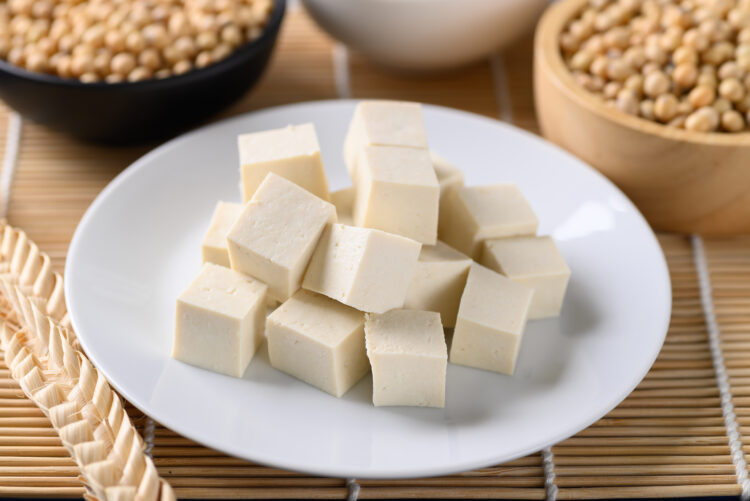
Calcium Sulfate vs. Magnesium Chloride: Check the Coagulant First
The coagulant used to solidify soybean protein is the primary determinant of a product’s mineral value.
Calcium Sulfate: Products using this mineral typically contain 120–200mg of calcium per 100g, making them the superior choice for those seeking to supplement bone density.
Magnesium Chloride: This traditional coagulant results in a lower calcium yield but offers a softer texture and a milder, classic flavor.
Glucono-Delta-Lactone (GDL): Often used for silken tofu, this acid-based coagulant produces an exceptionally smooth consistency but contributes minimal calcium.
Experts suggest that while no specific coagulant is "unhealthy," those specifically seeking "high-calcium" options must verify that calcium sulfate is listed on the label.
Protein Density: Firmness Matters
The average protein content in standard tofu ranges from 7–10g per 100g, though the physical structure of the product impacts these density levels. Firm or frying tofu, which contains less moisture, typically offers the highest concentration at 9–11g of protein per 100g. In contrast, silken tofu has a much higher water content, bringing its protein levels down to approximately 5–6g.
A standard 300g block of firm tofu provides approximately 21–30g of protein. With a digestibility rate exceeding 90%, tofu’s amino acid profile is most effective when complemented by grains, eggs, or fish.
Domestic vs. Imported: Understanding the Price Gap
Domestic soybean tofu often carries a price tag 1.5 to 2 times higher than imported alternatives. While the raw nutritional data is comparable, the price difference is driven by shorter distribution chains and clearer cultivation histories.
Furthermore, most domestic soybeans are non-GMO. In contrast, imported soybeans—largely from the U.S. or Brazil—have higher GMO cultivation rates. Consumers are encouraged to check labels for both the country of origin and explicit GMO disclosures to ensure their purchase aligns with their preferences.
The Sodium Trap: Fresh vs. Processed Tofu
Fresh tofu is naturally low in sodium, containing a negligible 5–15mg per 100g. However, "processed" varieties—including seasoned, smoked, or pre-fried tofu—can see sodium levels spike to 200–400mg.
For individuals managing hypertension, these processed versions are effectively a different food category. Nutritionists recommend choosing "unseasoned" fresh tofu and controlling sodium levels during the home cooking process.
Optimizing Absorption: Synergy and Inhibition
To maximize the benefits of tofu, strategic food pairing is essential. Consuming tofu with Vitamin D-rich foods like fish or eggs helps enhance calcium absorption, while pairing it with Vitamin C-rich vegetables improves iron utilization. Conversely, foods high in oxalic acid, such as spinach, can partially inhibit calcium absorption if consumed in excessive quantities alongside tofu.
Ultimately, whether through boiling, steaming, or light sautéing, the health impact of tofu is determined not just by the block itself, but by the informed choices made at the grocery aisle.