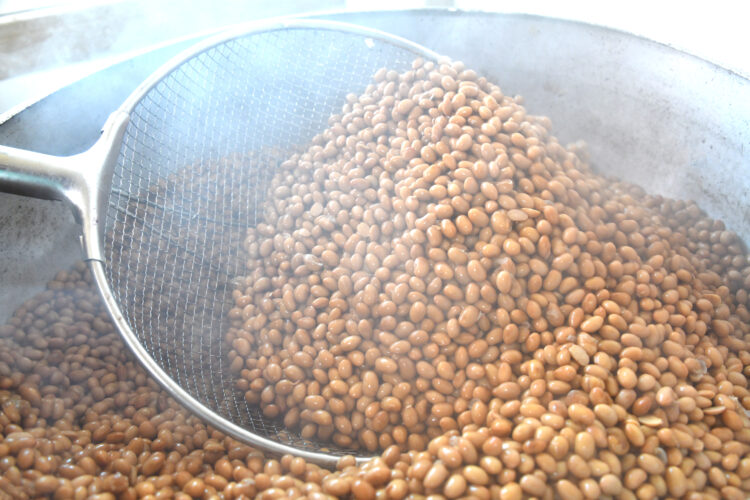
While lentils are often hailed by celebrities as a "superfood" and dubbed the "meat of the vegetarian world" for their high protein and polyphenol content, there is another legume that quietly outperforms them. Soybeans (often referred to in culinary contexts as yellow soybeans) actually boast higher protein levels and more beneficial fats than their trendy counterparts.
The Powerhouse of Plant Protein
Soybeans hold the title for the highest protein content among legumes. According to the Korean National Standard Food Composition Table, 100g of soybeans contains approximately 36.21g of protein, significantly outstripping the 25g found in 100g of lentils.
While many people reach for processed protein shakes during a diet, whole foods like tofu or soy milk may be more effective. Soybeans are a "complete protein," meaning they contain the essential amino acids the human body cannot produce on its own. They are also remarkably rich in unsaturated fats—containing about 18%, compared to the mere 1–2% found in lentils.
These unsaturated fats act as "vessel cleaners," lowering LDL cholesterol (the "bad" cholesterol) and preventing the formation of blood clots. By reducing systemic inflammation, these fats also help boost immunity and improve skin health.
Saponins: Not Just for Ginseng
Most health enthusiasts associate saponins exclusively with Ginseng or Red Ginseng, but soybeans are also a potent source of this compound. Saponins play a crucial role in weight management by interfering with lipase, the enzyme responsible for breaking down fats in the intestines.
When lipase activity is inhibited, fats are less likely to be absorbed and are instead expelled from the body. Furthermore, saponins have been shown to inhibit the proliferation of adipocytes (fat cells), making soybeans a powerful ally against weight gain.
A Natural Solution for Women’s Health
Soybeans offer specific benefits for women due to their high concentration of isoflavones—plant-based estrogens. According to the Rural Development Administration, components such as genistein, daidzein, and glycitein are instrumental in lowering the risk of:
Breast cancer
Endometrial cancer (Uterine cancer)
Osteoporosis