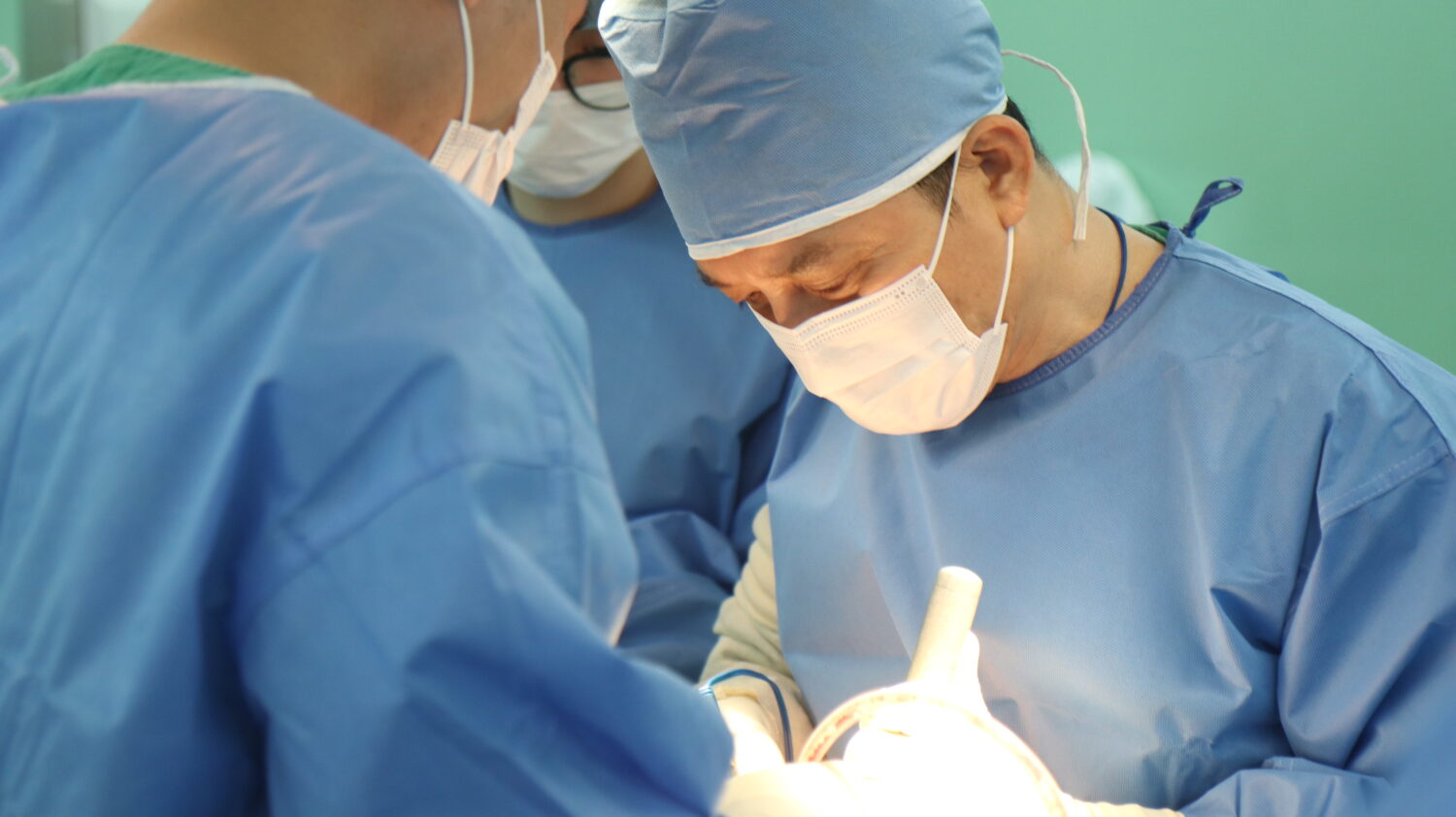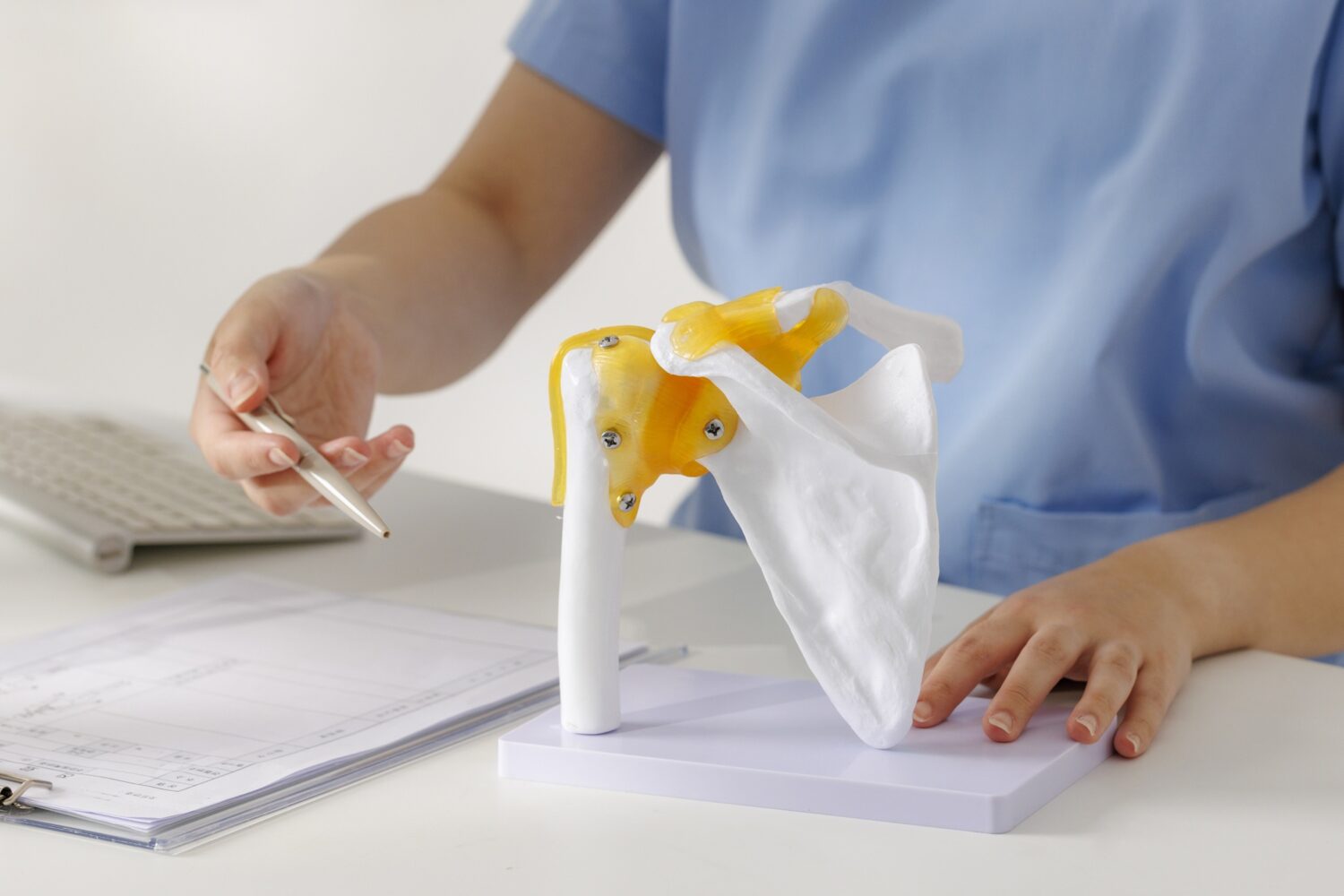
Mr. Park (74), who lives in Busan, has been suffering from knee pain for three years. Initially, it only hurt when climbing stairs, but recently, even sitting still causes his knees to ache, preventing him from sleeping well. He has undergone physical therapy several times at a local clinic and received injections, but the effects were temporary. Eventually, Mr. Park visited a large hospital and was diagnosed with end-stage degenerative arthritis, with almost all knee cartilage worn away, based on X-ray results.
Many patients around Mr. Park also suffer from knee and hip pain. A significant number of them endure it, thinking, "Isn’t it normal to hurt as you age?" or, conversely, they miss the necessary timing for surgery out of fear of joint replacement. When is the best time to undergo joint replacement surgery?
When experiencing end-stage arthritis and difficulty in daily life
Director Jang Jae-won of Bongseng Memorial Hospital (Orthopedics) stated, "Joint replacement surgery should be considered when X-ray results show end-stage degenerative arthritis (Kellgren–Lawrence grade 3 or higher), and there is persistent severe pain even at rest or during sleep, with no improvement from non-surgical treatments like medication or physical therapy."
End-stage degenerative arthritis occurs when the cartilage in the joint is almost completely worn away, causing the bones to directly contact each other. It becomes difficult to climb stairs, and even walking on flat ground can be painful. Particularly at night, knee or hip joint pain can make it hard to sleep.
Director Jang noted, "There are rare cases where patients have severe arthritis on X-rays but experience little pain," adding, "In such cases, there is no urgent need for surgery." However, he cautioned against 'too late surgery.' "If arthritis is allowed to progress to the point where one relies on a cane or wheelchair, the muscles will atrophy severely, and recovery will be slow even after surgery."
Knee joint replacement is divided into partial and total replacement
Knee joint replacement surgery is generally divided into two types. Typically, if only one side of the knee cartilage is damaged, a 'partial replacement' is performed, while 'total replacement' is done when all cartilage is worn away.
Director Jang explained, "Partial replacement is possible when the ligaments are strong and joint movement is still good. It allows for relatively quick recovery and natural joint movement, but if damage progresses to other compartments later, it may need to be converted to total replacement."
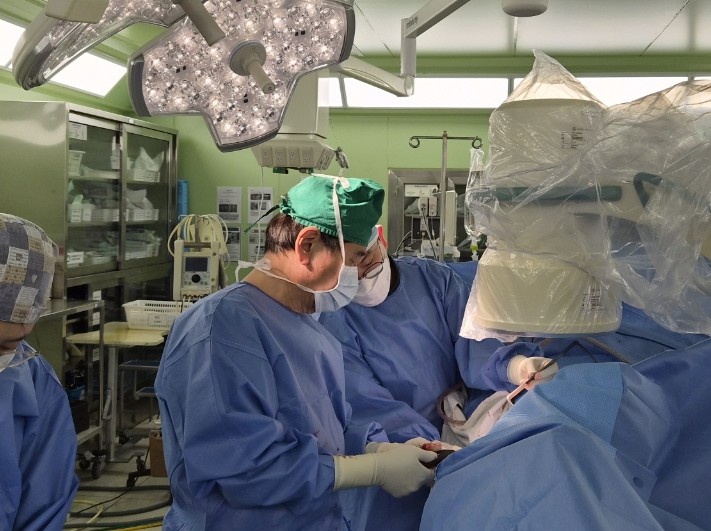
Total replacement involves removing the damaged joint surfaces of the femur, tibia, and patella and inserting an artificial joint. The surgery takes about two hours, and after 1-2 weeks, patients can begin walking with assistive devices. After about three months, they can walk without crutches, and pain is significantly alleviated.
Hip fractures require surgery as soon as possible
Unlike knee arthritis, hip joint diseases can deteriorate rapidly. Hip fractures in elderly patients can be fatal. Research shows that if treatment is not received promptly after a fracture, the cumulative mortality rate can rise to 40-60% within 2-5 years.
Therefore, hip joints require more caution than knees. Director Jang stated, "Hip joints typically do not heal on their own, so if a fracture occurs, surgery should be performed as soon as possible," emphasizing that "just two weeks of lying down can lead to loss of muscle, cognitive ability, and balance, making it crucial to start rehabilitation quickly after surgery."
This surgery also takes 1-2 hours, and after about a week, patients can start walking with a walker or crutches. After receiving a hip joint replacement, most patients report high satisfaction in terms of pain reduction and functional recovery.
Artificial joints last over 20 years…consider this and aim for surgery before 70
There is no absolute age limit for joint replacement surgery. While age is a factor, the degree of pain and decline in daily function are the key criteria for determining the timing of surgery.
However, most patients undergoing surgery are between 60 and 80 years old. Director Jang stated, "Considering that the lifespan of artificial joints is now 15-20 years, it is reasonable to have surgery before the age of 70," adding, "Especially if someone under 60 is experiencing severe pain that makes daily life impossible and other treatments are ineffective, there is no reason to delay surgery."
Of course, just because the surgery is over doesn’t mean everything is finished. Consistent rehabilitation exercises after surgery and avoiding positions that put strain on the artificial joint are essential for long-term use.
Director Jang advised, "Elderly residents in Busan have a habit of sitting on the floor and squatting, which significantly shortens the lifespan of artificial joints. After surgery, it is crucial to switch to a lifestyle that uses beds and chairs."
Recommended post-surgery exercises include walking, swimming, and cycling. In contrast, it is better to avoid high-impact activities like running, jogging, jumping, and hiking that can stress the knees.
Regular check-ups at 3 months, 6 months, and 1 year after surgery are important, and thereafter, annual X-ray examinations should be conducted to monitor the condition of the artificial joint. Especially when receiving dental treatment, it is essential to inform the dentist about the joint replacement surgery to prevent infections.
Meanwhile, Bongseng Memorial Hospital, which opened in 1949, has recently expanded its medical infrastructure for elderly patients by officially opening a future-oriented third building. The system has been organized to allow continuous treatment from knee and hip arthritis stages to joint replacement surgery and rehabilitation.
Notably, Director Jang Jae-won, who took over this year, graduated from Pusan National University Medical School and trained in orthopedics at Pusan National University Hospital. He is an expert in joint replacement, having trained at the Thomas Jefferson University Hospital in the United States.