
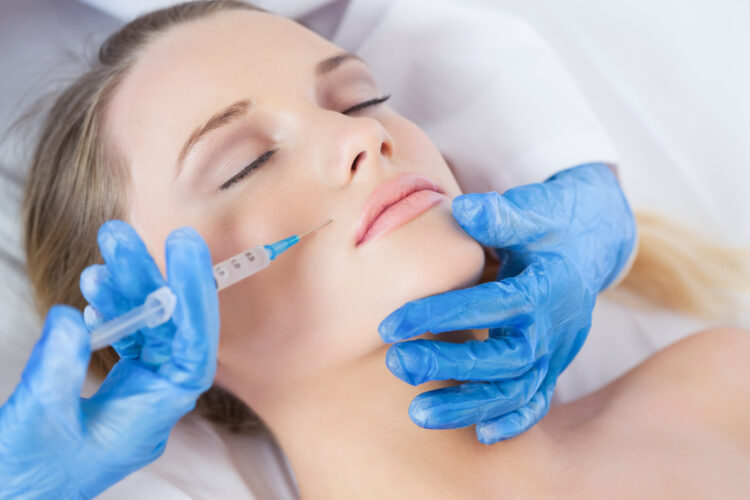
After getting Botox for the first time, reactions like "My expressions feel awkward" and "It feels different from what I expected" are surprisingly common. While the procedure is not a failure, many point out that repeated selection mistakes during the first Botox can lead to regret. In fact, both domestic dermatology and plastic surgery clinics' procedure guides and the Ministry of Food and Drug Safety's safety information on Botox (botulinum toxin) emphasize that factors influencing satisfaction with the first Botox are more about prior judgment, dosage setting, and adjusting expectations than injection technique.
Starting Without Thinking About 'Whether to Continue'
Surprisingly, many people approach their first Botox as a one-time experience. The effects of Botox last on average 3 to 6 months, after which muscle function gradually recovers. If one receives the treatment without fully understanding this cycle, they may feel disappointed when the effects wear off, thinking, "I quickly returned to how I was before."
If there are no criteria for whether to get it again or maintain it, satisfaction can drop sharply. Experts say it is important to understand that the first Botox effect is temporary and that repeated treatments may be necessary, and to set personal criteria before making a decision.
The Most Common Mistake is 'Getting It Just by Looking at Wrinkles'
The most common mistake during the first Botox treatment is deciding on the procedure based solely on the wrinkles visible in the mirror. Botox is not a treatment that smooths the skin's surface; rather, it weakens the movement of the muscles used to create expressions. The results can vary significantly depending on which muscles are primarily used when smiling or frowning.
If one gets Botox simply because they are concerned about forehead wrinkles, it may cause the eyebrows to lower or make the eyes look cramped. International guides emphasize that during the first treatment, it is crucial to check 'expressions in motion' rather than 'static wrinkles' first.
Greed for Dosage, A Shortcut to Regret After the First Botox
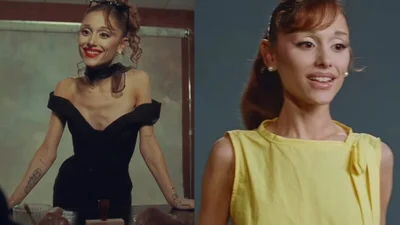
One of the most frequently pointed out mistakes during the first treatment is using excessive dosage in expectation of a significant change. While wrinkles can be quickly alleviated, there is a greater possibility that expressions may look heavy or awkward when smiling. Especially in areas like the forehead and around the eyes, where there are many fine muscles, even small differences can lead to significant changes in appearance. International clinical guidelines explain that the standard for the first Botox is to 'start with the minimum dosage to see the reaction and then adjust.'
Post-Treatment Care, Surprisingly Influences Results
Post-treatment care is repeatedly mentioned as a factor that influences the results after Botox. Rubbing the face vigorously right after the procedure, lying down immediately, or engaging in intense exercise or drinking alcohol increases the likelihood that the medication will move in unwanted directions. This can lead to dissatisfaction cases such as drooping eyelids or asymmetry. Domestic clinic guides commonly advise not to lie down for at least 4 hours after the procedure, and the restriction periods for alcohol, intense exercise, and sauna vary from 24 hours to several days according to medical staff guidelines.
The Standard for a Regret-Free First Botox is 'Maintaining Expressions'
Experts commonly emphasize that the key criterion for the first Botox is not wrinkle removal but the naturalness of expressions. Even if wrinkles do not completely disappear, if the impression has become more relaxed, it is close to a successful first experience. The most common mistake during the first Botox is greed. The more one overlaps quick changes, comparisons with others, and excessive expectations, the higher the probability of regret. Initially, it is safest to base the criteria on 'how naturally can it be maintained' rather than 'how much will it change.'