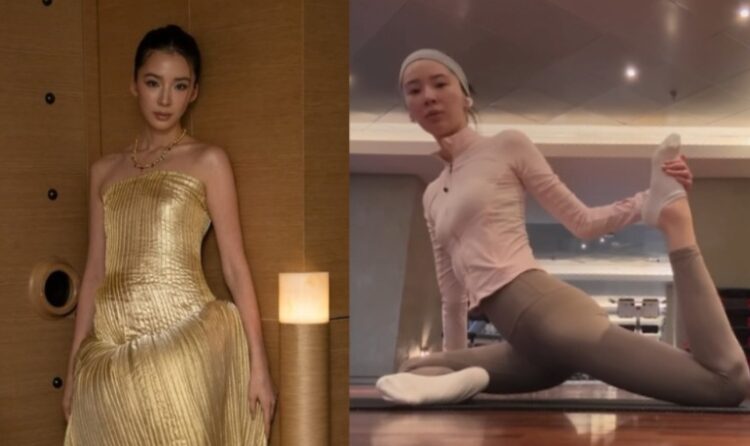
Model Irene (38) shared her unique routine for reducing body swelling.
Recently, Irene posted on her SNS, "I always reduce swelling (like this) before a shoot," sharing a video of her doing stretches and planks using running and yoga movements. In particular, her modified version of the yoga 'Pigeon Pose' that stretches her entire body caught attention.
Let's take a look at the specific effects of Irene's method for reducing swelling.
Stretching Promotes Blood and Lymph Circulation, Alleviating Swelling
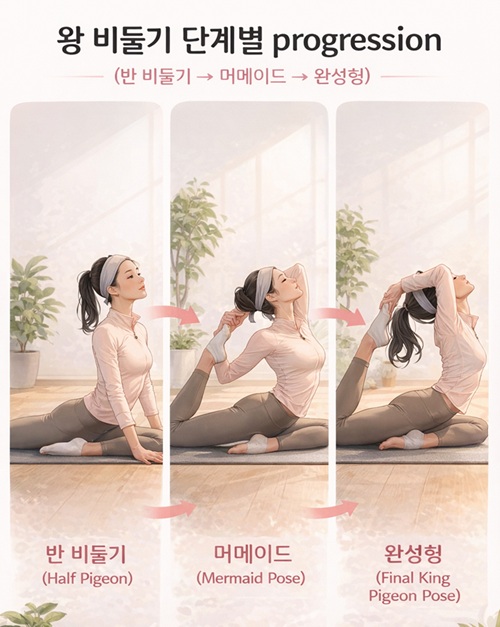
The Pigeon Pose is named for its resemblance to a pigeon extending its crop forward.
Among them, the King Pigeon Pose is representative. The King Pigeon Pose is an advanced technique that belongs to the complete form. The foot of the extended leg is held with the hand and pulled towards the back of the head or the crown. The chest is opened wide, and the spine is tilted back significantly. It can open up the entire body from the hip joints, front thighs, spine, chest, to shoulders. It expands the cardiopulmonary system and maximizes flexibility while correcting posture.
The move Irene attempted is a slightly modified version of the Half Pigeon Pose. The Half Pigeon Pose is a position where one leg is bent while sitting on the floor, and the other leg is extended straight back. It is the most commonly practiced basic pigeon stretching position. It deeply stretches the hips, glutes, and hip joints. Irene modified the basic Half Pigeon Pose by holding the back foot with one hand and opening her chest.
Stretching is effective for reducing overall body swelling. Swelling occurs when blood stagnates around tissues and lymph fluid does not circulate smoothly. Stretching the body through yoga movements not only improves blood circulation but also promotes lymph flow, alleviating swelling.
Running Promotes Body Circulation and Helps Burn Calories
Irene started her routine for reducing swelling with treadmill running. Running is also effective for alleviating swelling by promoting blood and lymph circulation. Running increases heart rate, allowing blood to flow more quickly and efficiently to the arms and legs. It contracts and relaxes leg muscles, pushing stagnant blood in the veins back towards the heart. As a result, it helps stagnant body fluids to circulate again. It also plays a role in flowing lymph fluid by repeatedly contracting and relaxing muscles. The sweat produced during running alleviates swelling while expelling excess fluid from the body.
It can also help burn body fat and reduce weight. For an adult weighing 70kg, swimming burns about 360-500kcal, tennis burns about 360-480kcal, and brisk walking burns about 360-420kcal. In contrast, running burns about 700kcal, which is relatively high. You may feel lighter and experience a 'runner's high.' This phenomenon occurs when running releases a neurotransmitter called 'beta-endorphin' that alleviates stress and improves mood.