In the harsh cold of winter, complaints of numbness and loss of sensation in fingertips increase even after just a brief outing. There are not a few cases where people dismiss it thinking, 'No way it's frostbite?' and end up visiting the hospital due to pain and skin discoloration. Frostbite is not a special problem that only occurs in polar regions. A small lapse in daily life can trigger it. The risk increases sharply, especially when the basics of maintaining body temperature are overlooked.
It’s not just about body temperature, but ‘peripheral blood flow’ is the issue
Frostbite does not simply occur because the body gets cold. When exposed to cold, our body reduces blood flow to peripheral areas such as hands, feet, ears, and nose to protect vital organs. If this process continues for too long, the supply of oxygen and nutrients to the tissues is cut off, and damage to the skin and nerves begins. The problem is that the initial symptoms feel light, like 'cold and numb.' The moment you feel relieved because the pain has decreased, damage may already be progressing.
Even if you packed gloves and socks, it’s because you ‘wore them wrong’
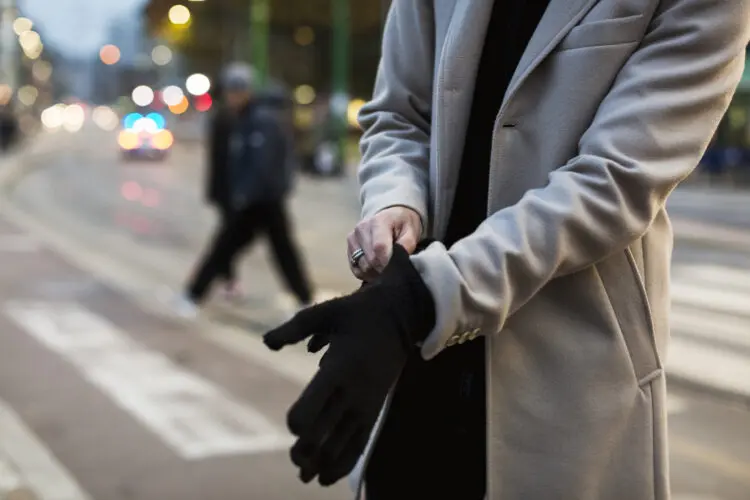
Even if you packed gloves and socks for winter outings, there are surprisingly many reasons for getting frostbite. Tight gloves or thin cotton socks can cause blood flow blockage before providing warmth. Especially wet gloves or sweaty socks can rapidly drain body heat, increasing the risk of frostbite. The key to warmth is not thickness but the ‘air layer.’ It’s important to choose options that maintain warmth without constricting hands and feet. It’s also necessary to develop a habit of preparing extras the longer the outing.
The illusion that a drink can beat the cold
When drinking alcohol in cold weather, it feels like the body is warming up. However, this is just an illusion caused by blood vessels temporarily dilating and heat escaping. In reality, body temperature drops faster, and the ability to regulate peripheral blood vessels becomes dull. Drinking before and after outdoor activities significantly increases the risk of frostbite. This is because you are less likely to feel the cold and may miss warning signs. Having ‘a drink’ before outdoor activities in winter is a dangerous choice.
Shoe selection, ‘space’ comes before warmth
The feet are the most common area for frostbite to occur. Wearing multiple thick socks or forcing your feet into small shoes can actually hinder blood circulation. Space must be secured for the toes to move freely to maintain body temperature. The sole that blocks the cold rising from the ground is also important. If you have a schedule of standing or walking outdoors for a long time, you must check the fit and space even for insulated boots.
When sensation is dulled, immediate action is required
If your hands and feet are pale and sensation is dulled, moving to a warm environment is the top priority. At this time, suddenly immersing in hot water or rubbing vigorously can worsen the damage. The principle is to gradually warm up to a lukewarm temperature similar to body temperature. Just because pain returns doesn’t mean recovery has occurred. If there are changes in skin color, blisters, or persistent pain, it is safest to seek medical judgment. Remember that frostbite does not occur from enduring the cold, but from a series of small lapses in attention.