Patients preparing for breast cancer surgery often ask a quiet question before entering the operating room. It is rarely about medical statistics. Instead, it usually comes down to two deeply personal concerns: “What will my breast look like after surgery?” and “How much scarring will there be?”
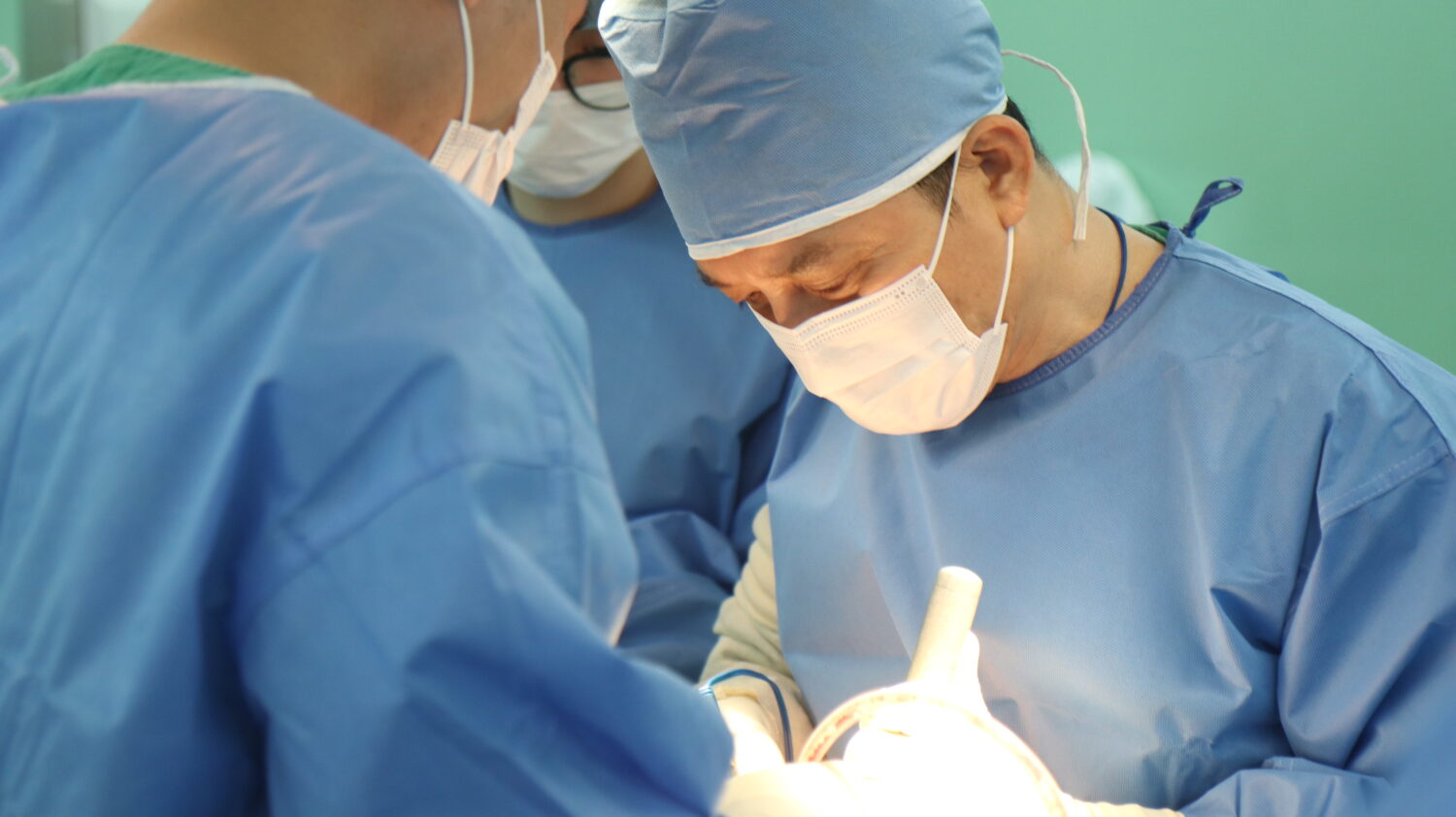
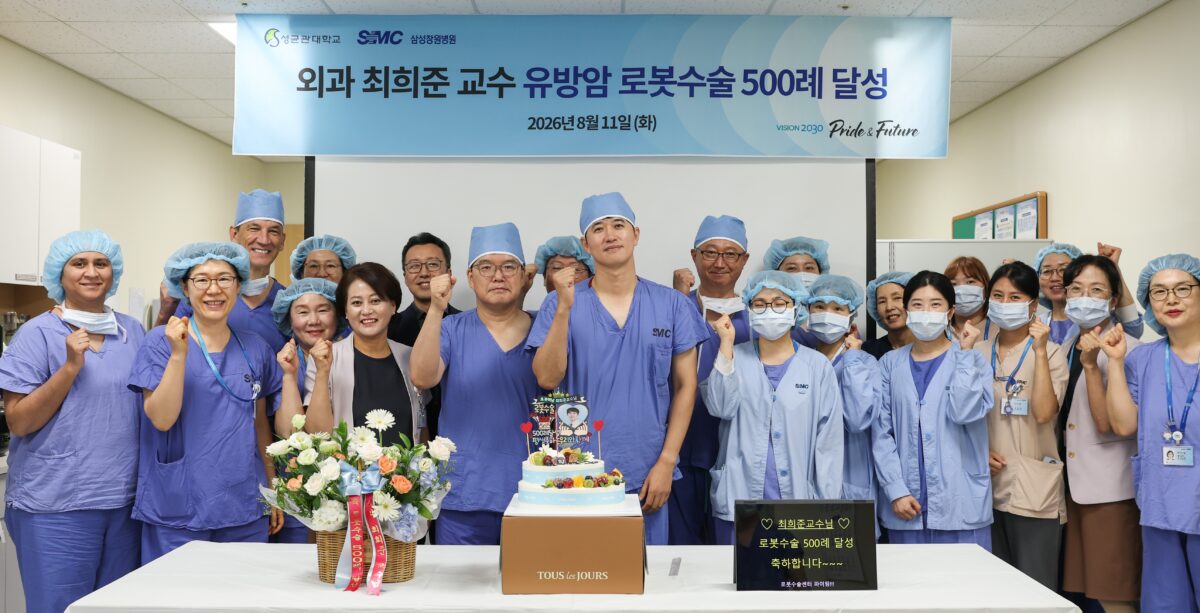
For women facing a diagnosis, eliminating the cancer and preserving physical identity carry equal weight. After seven years of addressing those concerns through robot-assisted surgery, Choi Hee-joon, a professor of surgery at Sungkyunkwan University’s Samsung Changwon Hospital and head of its Breast and Thyroid Cancer Center, has officially surpassed 500 cumulative robotic breast cancer operations. The achievement marks the second such milestone in South Korea and the first in the Busan-Ulsan-South Gyeongsang region.
While 500 cases represents a significant surgical volume, robotic breast cancer surgery is not a procedure hospitals can easily scale. It demands exceptional dexterity—precisely excising tumor tissue while carefully evaluating the surrounding breast contour, nerve pathways, and blood vessels. A surgeon's individual learning curve directly dictates both oncological safety and cosmetic success.
Seven Years of Breakthroughs
Choi first incorporated robotic technology into breast cancer procedures in August 2019, when he successfully performed South Korea’s first robot-assisted breast-conserving mastectomy. Unlike a total mastectomy, which removes the entire breast, this technique extracts only the tumor and a minimal margin of healthy tissue to preserve the natural shape of the breast.
By applying robotic systems to breast-conserving surgery, surgeons can operate through tiny, concealed incisions placed in the armpit or along the margin of the areola—leaving no visible scar on the front of the chest. This is made possible by thin, wristed robotic instruments with multi-jointed articulation, high-definition fiber-optic cameras, and magnified 3D imaging.
Choi later expanded his approach to include robotic total mastectomy with immediate reconstruction, combining cancer resection and plastic reconstruction within a single surgical session. In 2022, he adopted the advanced da Vinci SP (single-port) robotic platform, extending the procedure to include axillary lymph node dissection for cases with confirmed lymphatic spread. Of his 500 cumulative operations, 448 were completed using the single-port da Vinci SP system, giving Choi the highest single-port robotic breast-conserving case volume in South Korea.
A Track Record Recognized Worldwide
For patients navigating a breast cancer diagnosis, practical experience matters far more than the technology itself. Because cosmetic and surgical outcomes depend heavily on a surgeon's accumulated expertise, patients often look closely at how many procedures a specialist has performed over time.
“Breast cancer treatment does not end with removing the tumor,” Choi explained. “It is a discipline that requires us to protect the patient's cosmetic expectations and psychological quality of life as well.”
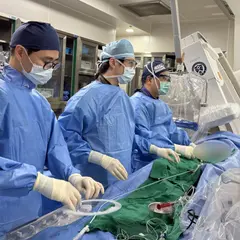
This clinical track record has drawn international attention. Samsung Changwon Hospital has been designated an official robotic surgery observation center by Intuitive, the U.S.-based manufacturer of the da Vinci system. Surgical teams from around the globe, including specialists from Fujita Health University in Japan and the University of Ireland, have visited to observe Choi in the operating room.
In 2025, Choi also helped lead the world’s first multicenter study on robotic breast-conserving surgery alongside seven major Korean academic medical centers, including Ewha Womans University Seoul Hospital, Samsung Medical Center, and Severance Hospital. The landmark research demonstrated that robot-assisted breast conservation is both safe and effective, positioning South Korea as a leading force in establishing international standards for robotic breast surgery.