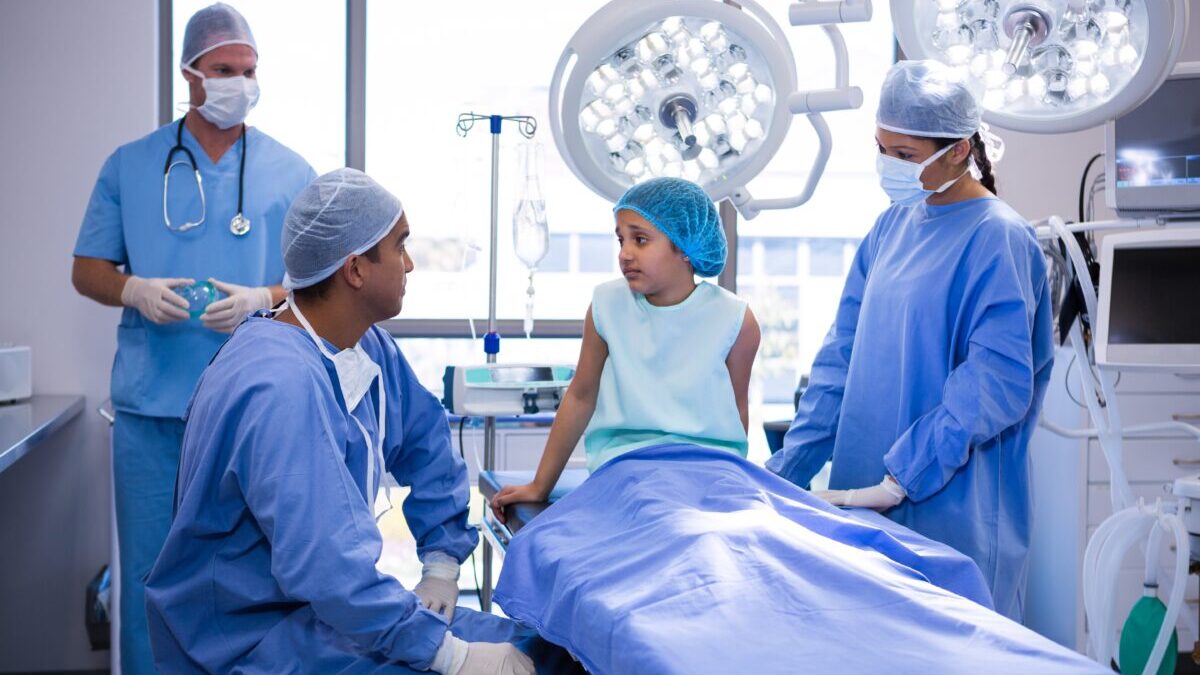
While a child is under general anesthesia, clinicians continuously monitor their breathing status to ensure safe ventilation. One of the primary indicators of adequate respiration is the concentration of carbon dioxide (CO2) in the blood.
The gold standard for measuring blood CO2 requires inserting a thin catheter into an artery to draw blood. However, in newborns and infants, placing an arterial line can be exceptionally difficult due to their tiny blood vessels. Moreover, repeated arterial blood draws increase the risk of vessel damage, local trauma, and blood loss leading to anemia.
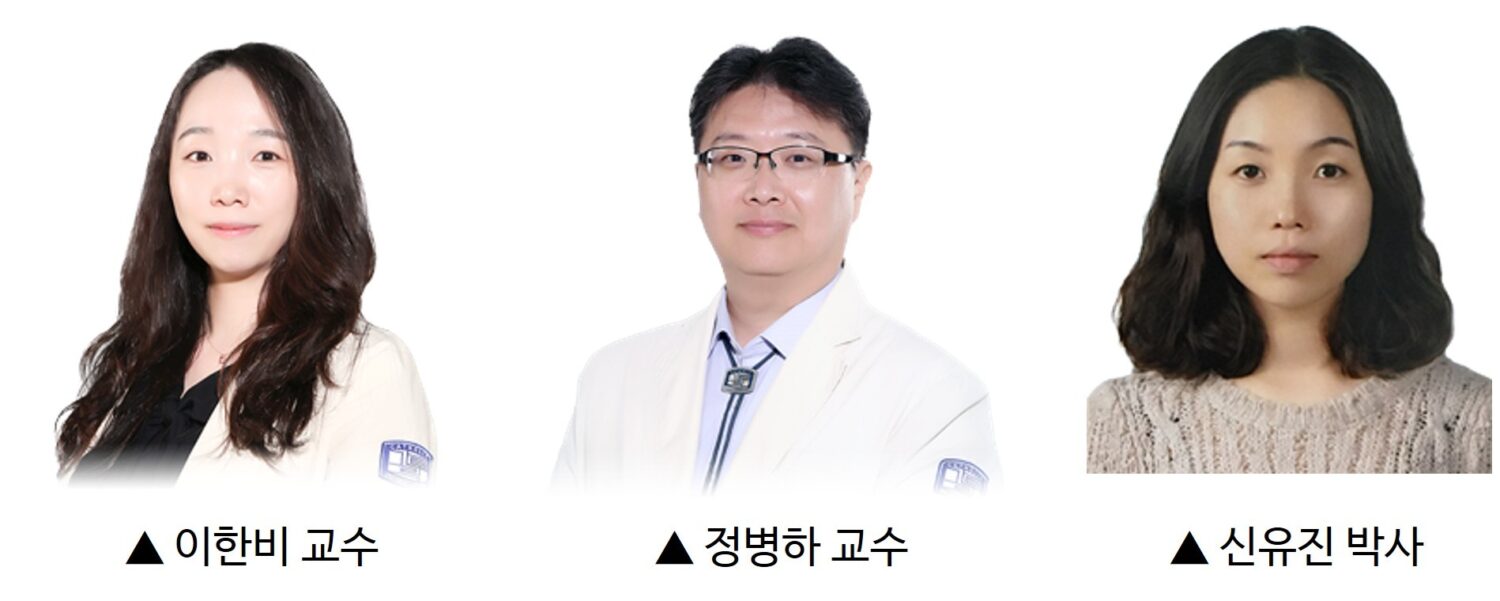
To address this challenge, a South Korean research team has developed an artificial intelligence model capable of estimating a child's arterial CO2 levels in real time without additional blood draws. The study was led by Professor Kim Hyun-ho of the Department of Pediatrics at Seoul St. Mary's Hospital, The Catholic University of Korea. Resident Park Ju-hyun of the Department of Anesthesiology and Pain Medicine at Asan Medical Center and medical student Cho Chae-eun of Korea University College of Medicine served as joint first authors. Their findings were published in the journal Anesthesiology.
Bridging the Gap Between Exhaled Breath and Blood Levels
Clinicians currently assess respiratory status non-invasively using "end-tidal carbon dioxide" (EtCO2), which measures CO2 concentration in exhaled breath at the end of expiration. However, EtCO2 values do not always match actual arterial blood levels. Discrepancies often widen if there is an imbalance between lung ventilation and blood flow, or if the patient suffers from underlying cardiac or pulmonary dysfunction.
To minimize this error, the research team combined EtCO2 readings with nine other physiological and operative variables—including body temperature, ventilator settings, age, and underlying health conditions—training the AI on 10 parameters in total.
A 23% Reduction in Measurement Error
The researchers evaluated their algorithm using VitalDB, a large open-access dataset of intraoperative vital signs, analyzing 8,853 paired measurements from 3,586 pediatric surgical patients.
When relying solely on exhaled CO2, the average error compared to actual blood gas analysis was 3.56 mmHg. Incorporating the AI model reduced the average error to 2.73 mmHg—an improvement of 0.83 mmHg, or roughly 23%.
The team further validated the model's performance using independent patient data from two separate hospitals. In 92 measurements from 50 pediatric patients at Chungnam National University Hospital, the average error was 3.65 mmHg. In a larger validation group of 2,138 measurements from 499 pediatric patients collected at Seoul National University Hospital between January 2024 and June 2025, the average error was 3.67 mmHg. Although error rates were slightly higher in real-world clinical validation than in the primary development dataset, the model demonstrated consistent reliability across different hospital environments.
A Decision Support Tool for the Operating Room
While previous studies—including a 2024 model from Seoul National University Children's Hospital—have explored AI-based CO2 estimation, this study represents the largest multi-center validation in pediatric surgical patients to date.
However, experts emphasize that the technology is not yet ready to eliminate blood tests entirely. Because the study was a retrospective analysis of existing medical records, prospective clinical trials are required to measure how much the AI can reduce actual arterial line placements in live operating rooms. Additionally, the AI's calculations still rely on baseline laboratory data, such as preoperative hemoglobin levels.
"While this model cannot completely replace arterial blood gas analysis, it serves as a valuable clinical support tool in situations where arterial line placement is difficult or frequent blood sampling is challenging," said Professor Kim Hyun-ho. "Further prospective research is needed to confirm its clinical effectiveness and safety in direct patient care."