For women going through menopause, the risk of bone fractures rises sharply. This vulnerability occurs because bone density rapidly declines once the body stops producing key female hormones. Estrogen, in particular, plays a fundamental role in maintaining skeletal integrity by suppressing the activity of cells that break down bone, while promoting the differentiation of osteoblasts—the cells responsible for building new bone. Additionally, estrogen helps the body absorb calcium more effectively to maintain bone strength. After menopause, however, ovarian function declines and estrogen secretion drops abruptly, causing a significant loss of bone minerals. The first three to five years post-menopause represent the period of most rapid bone density decline.
Multiple Pregnancies Linked to Elevated Fracture Risk
A recent study has revealed that women who have been pregnant three or more times face a significantly higher risk of experiencing fractures after menopause. A research team at Seoul St. Mary’s Hospital reached this conclusion after analyzing health data from 1,420 postmenopausal women who participated in the 2024 Korea National Health and Nutrition Examination Survey.
Upon evaluating the relationship between pregnancy history and bone fractures, the researchers discovered that women with a history of three or more pregnancies were approximately 36% more likely to experience a postmenopausal fracture compared to women who had never been pregnant. The team attributed this correlation to the suppression of estrogen secretion during pregnancy and the subsequent breastfeeding period. Multiple pregnancies and extended breastfeeding reduce the cumulative, lifetime duration of a woman's exposure to protective estrogen, ultimately leaving bones more vulnerable later in life.
Balancing Risks and Benefits in Women's Health
Despite these findings, the researchers emphasized that multiple childbirths should not be viewed through a purely negative lens. Extensive clinical literature demonstrates that the risk of several other serious conditions actually decreases as the number of childbirths increases. For instance, prior research has consistently shown that women who have given birth multiple times have a lower risk of developing ovarian cancer and hormone receptor-positive breast cancer. Consequently, the research team characterized multiple pregnancies as a "complex health factor" where distinct risks and benefits coexist.
To mitigate the elevated fracture risk, the study highlights the importance of preventive measures and nutritional supplementation. Adequate intake of calcium and vitamin D is essential, as these nutrients are critical both for fetal skeletal development and for preserving maternal bone density. Proactive management is particularly vital for women with a history of multiple pregnancies.
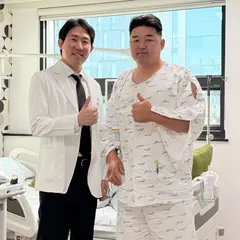
"By comprehensively evaluating factors such as a patient's pregnancy history, number of births, and cumulative hormone exposure, we can effectively assess future fracture risks," said Sung Kyung-heon, an internal medicine resident at Seoul St. Mary's Hospital who led the study. "Prevention and long-term management are highly achievable through targeted calcium and vitamin D supplementation during pregnancy, combined with regular postmenopausal bone-density screenings."
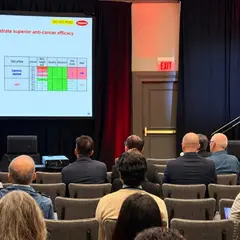
The study's findings were recently presented at the International Scientific Congress of the Korean Society for Bone and Mineral Research, where Sung Kyung-heon received the prestigious Outstanding Oral Presentation Award in recognition of the research.