"What is the very first thing you want to say to patients and their caregivers after they finish acute-phase treatment?" I asked.
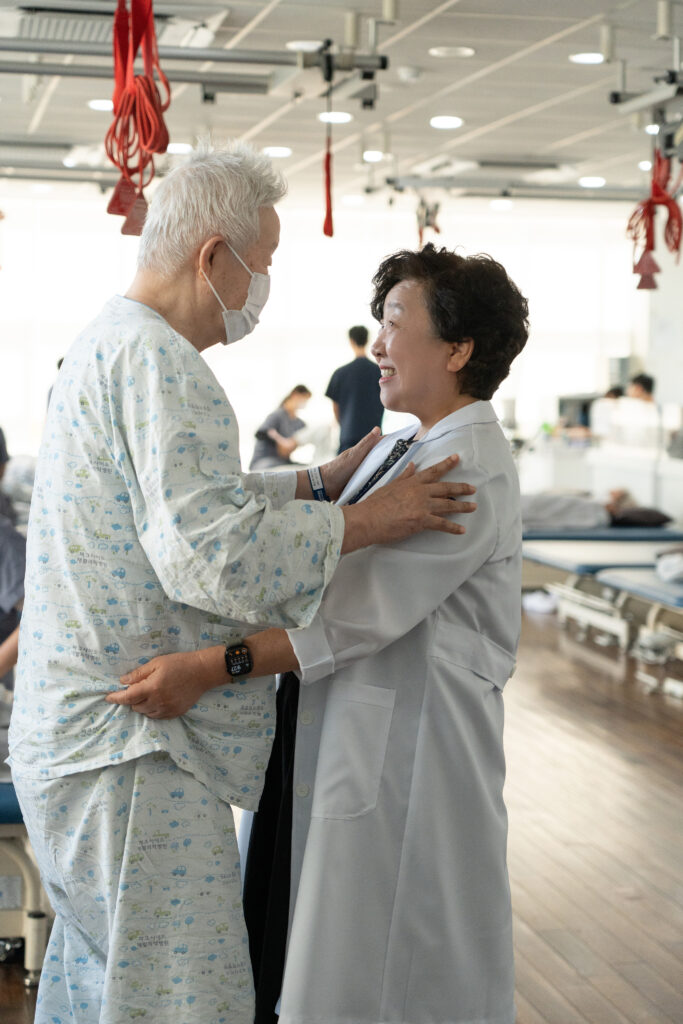
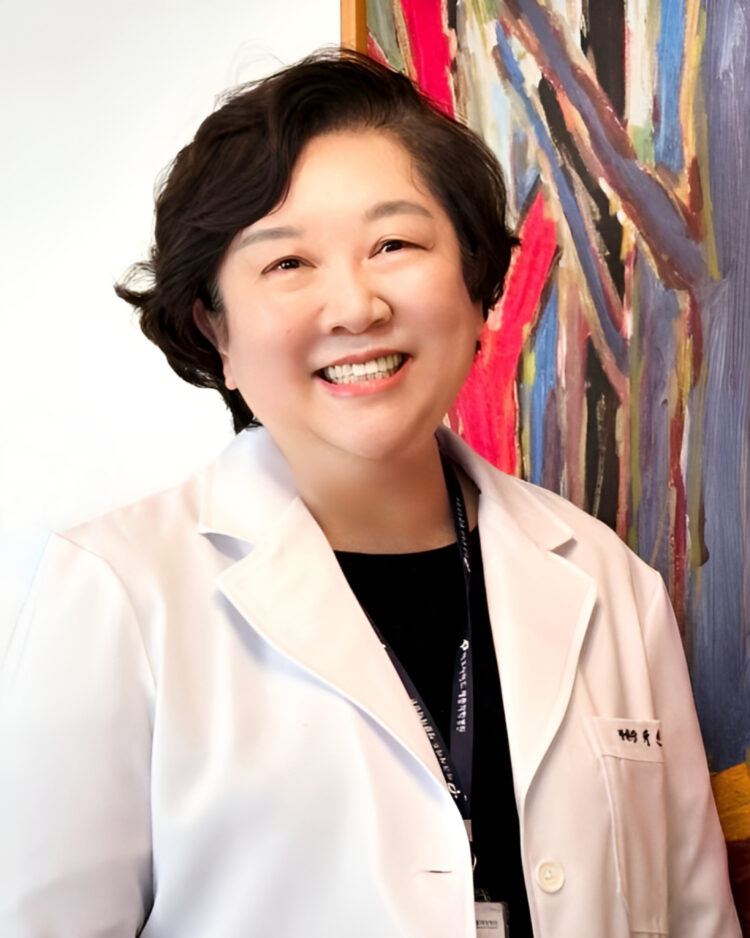
I expected a standard medical response like, "The sooner rehabilitation starts, the better," or "Just because surgery is over doesn't mean recovery is complete." But Park In-seon, director of Parkside Rehabilitation Medicine Hospital, offered a completely different perspective: "I don't say anything. I listen first. I listen until I truly understand."
When discussing post-acute rehabilitation, Park In-seon does not focus initially on therapy rooms or advanced equipment. Instead, she prioritizes the emotional weight patients and caregivers carry when walking through the hospital doors. Whether dealing with a stroke, spinal cord injury, hip fracture, or major surgery, families who have just managed to save a loved one's life often begin with a single wave of relief: We're just grateful they survived. However, the moment they transfer to a rehabilitation facility, practical anxieties take over. Will they ever walk again? Will they be able to eat or speak? Can they return home, and can the family handle the burden? Above all, how much will caregiving cost?
The anxiety and anger that families suppressed in the acute-care hospital often spill out during this transition. Concerns emerge about the hospital's size compared to large university centers in Seoul, alongside deep skepticism about whether real rehabilitation can truly restore their loved one. Park In-seon does not immediately counter these frustrations. Describing this transition as "the moment a massive mountain blocks your path," she allows families to vent for as long as they need—waiting days, or sometimes a week or two, before initiating formal counseling. "I look at the patient and the family dynamics first," she notes. "We untangle their story one piece at a time. In a rehabilitation hospital like ours, psychology is genuinely the priority."
For Park In-seon, psychology is not an abstract academic concept. It means actively reading the anxiety, anger, resignation, and expectations of both patients and caregivers, while identifying underlying fractures in family relationships. While physical recovery takes place in the therapy room, a patient can only move forward once their mind is engaged. True rehabilitation begins only when the patient and their family accept their new reality and find the courage to try again.
“At a rehab hospital, you need to see what picture the doctor is drawing”
Park In-seon offers practical advice for families selecting a facility: "When choosing a rehabilitation hospital, meet the physician first. Ask them how they assess the patient’s condition, what the specific treatment goals are, and where the patient will live and what kind of life they will lead after discharge." Before evaluating a hospital's physical footprint or looking for the newest gadgets, she emphasizes that families must scrutinize how the doctor measures current physical function and outlines the path forward. She views this comprehensive roadmap as the absolute baseline of legitimate rehabilitation medicine.
Because every patient’s baseline function, family support system, and home environment differ, treatment goals must be highly individualized. "For one patient, restoring the ability to swallow takes precedence over walking," Park In-seon explains. "For another, learning to operate a wheelchair safely may be a far more realistic and impactful goal than unassisted walking."
“Even rehab that doesn’t make money has to be done if it’s needed”
Park In-seon speaks with refreshing candor, warning against a healthcare landscape where revenue models threaten to eclipse the core essence of patient care. Certain individuals—such as those living with muscular dystrophy or progressive degenerative diseases—may not have a cure, but maintaining their current level of function is absolutely critical. While they may not require acute medical interventions, a lack of consistent, structured exercise causes their physical capabilities to deteriorate rapidly. Unfortunately, these long-term maintenance patients often fall into systemic blind spots regarding insurance coverage. "Let's take the honest, straightforward path," she urges. "Let's give patients what they truly need without cutting corners or compromising ethics."
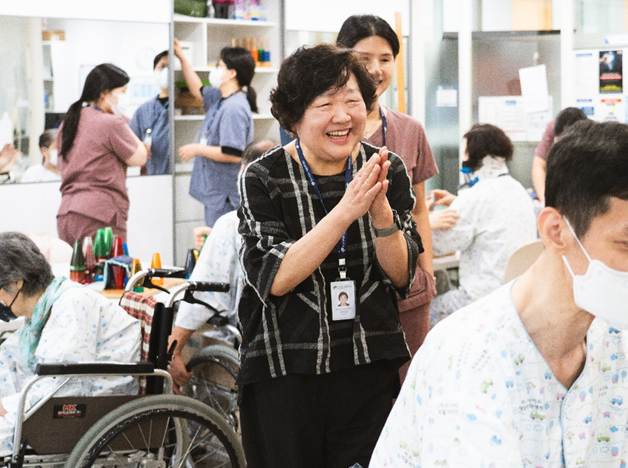
Driven by this philosophy, Park In-seon transformed her hospital’s auditorium into a collaborative exercise-therapy space where patients, family members, and caregivers can learn rehabilitation techniques together to continue at home. She is also developing preventative programs tailored for local seniors who are just beginning to notice a decline in their physical strength. To her, health is not merely the absence of infirmity; it is the capacity to maximize physical function, preserve personal independence, and maintain a meaningful life within one's family and neighborhood. In this view, rehabilitation medicine extends far beyond the hospital walls—it is a vital safeguard that prevents an individual's entire life in the community from collapsing.
Park In-seon calls herself “a middle-aged lady doctor crazy about rehabilitation medicine.” She looks far beyond a patient's physical extremities; she probes into their psychological state, addresses family anxieties, and plans for where the patient will reside and what social roles they will resume post-discharge. This holistic approach, she notes, defines true rehabilitation medicine—a conviction forged over a nearly 40-year career treating a diverse spectrum of patients. Even now, her ultimate goal remains focused on instilling hope and anticipation. While medical expertise can heal the anatomy, Park In-seon has observed long enough to know that fixing the physical body alone is never enough to truly return a person to their daily life.