A large-scale study has found that fine dust can severely damage skin health, expanding the known dangers of air pollution beyond the lungs and cardiovascular system. Long-term exposure to particulate matter significantly increases the risk of developing psoriasis, a chronic inflammatory skin disease. Specifically, when fine dust (PM10) concentrations rise by 10 μg/m³, the risk of developing the condition climbs by up to 27%. The findings also show that individuals already living with psoriasis are significantly more likely to experience a worsening of their symptoms.
The National Institute of Health, operating under the Korea Disease Control and Prevention Agency, announced on the 24th that its analysis of approximately 8.39 million adults confirmed a direct link between fine-dust exposure and both the onset and exacerbation of psoriasis. Utilizing tracking data from the National Health Insurance Service, the research stands as the largest study of its kind ever conducted on an Asian population.
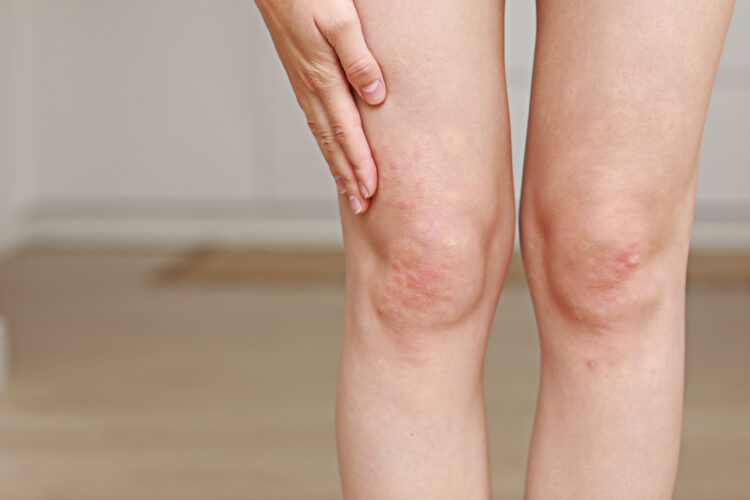
Psoriasis is a systemic disease in which chronic inflammation develops in the skin due to abnormalities in the immune system. It is characterized by an abnormally rapid turnover of skin cells, leading to silvery-white scales building up over raised red patches. It most commonly appears on the elbows, knees, and scalp, and is frequently accompanied by severe itching and physical pain. While often mistaken for a simple superficial skin condition, psoriasis carries a high risk of severe comorbidities, including obesity, diabetes, metabolic syndrome, cardiovascular disease, and depression, making early diagnosis and consistent management vital.
Tracking participants for an average of 13.6 years, the researchers identified a total of 68,260 new psoriasis diagnoses. Their analysis revealed that when the annual average concentration of ultrafine dust (PM2.5) increased by 10 μg/m³, the risk of developing psoriasis rose by roughly 19%. A matching 10 μg/m³ increase in broader fine dust (PM10) raised that risk by 27%.
Short-Term Spikes Trigger Symptom Flare-Ups
For patients already living with the condition, even brief spikes in air pollution proved hazardous. The researchers tracked indicators of clinical worsening, such as the intensification of prescribed drug treatments, the required use of phototherapy, or the initiation of advanced biologic agents.
The data showed that when the daily average ultrafine dust (PM2.5) concentration increased by 10 μg/m³, the risk of a psoriasis flare-up rose by approximately 3%. When general fine dust (PM10) concentrations increased by the same amount, the risk of worsening symptoms rose by 1%.
This vulnerability was notably higher among specific demographics. The correlation between ultrafine dust exposure and the onset of psoriasis was significantly more pronounced in individuals under the age of 60, urban residents, individuals with a history of smoking, medical aid beneficiaries, and those with pre-existing allergic diseases.
The researchers noted that fine dust physically damages the skin barrier while triggering cellular oxidative stress and systemic inflammatory responses, which jointly drive the development and acceleration of psoriasis. Unlike historical research on the health outcomes of air pollution, which has focused almost exclusively on respiratory and cardiovascular mortality, this study is highly significant for demonstrating that chronic dermatological conditions are also deeply vulnerable to ambient air quality.
"This study highlights that reducing exposure to fine dust is a critical component of preventing and managing skin diseases from a public health perspective," said Kim Won-ho, director of the Division of Chronic Disease Convergence Research at the National Institute of Health. "On days when fine-dust levels are elevated, psoriasis and allergy patients should take thorough care of their skin immediately after returning indoors by washing and moisturizing. If symptoms begin to register a noticeable decline, they should promptly visit a medical institution for professional care."