It is a common observation that eating processed foods like snacks or chocolate leads to more weight gain than whole foods with an identical calorie count. New research suggests this conventional wisdom is scientifically accurate. The calorie numbers printed on nutrition labels often fail to match the actual energy our bodies absorb, largely because the final caloric payload shifts as gut microbes break down our food.
A research team at Arizona State University has developed a new mathematical model called DAMM (Digestion, Absorption, and Microbial Metabolism) to more accurately predict human energy absorption by incorporating the metabolic activity of gut microbiota. The study was recently published in the international peer-reviewed journal PLOS One.
The Limitations of a Century-Old Calorie Formula
For over a century, dietary calories have typically been calculated using the Atwater system. This traditional method multiplies the total grams of protein, carbohydrates, and fat in a food by fixed coefficients (4 kcal per gram for proteins and carbohydrates, and 9 kcal per gram for fats). While highly convenient, this approach has a significant drawback: it completely ignores the activity of gut microbes, which play a central role in human digestion.
Professor Rosa Krajmalnik-Brown, who led the study, explained, “Digestion is not simply a human process, but a sophisticated cooperative interaction between our bodies and gut microbes. The DAMM model presents a powerful, new way to quantitatively show how these microbial partners contribute to human energy balance.”
'Hidden Calories' Synthesized by the Microbiome
The DAMM model tracks the entire journey of food through the digestive tract. It first calculates the nutrients directly assimilated by the body in the upper gastrointestinal tract, then analyzes how undigested remnants migrate to the colon to be fermented by gut microbes.
The research team discovered that gut microbes generate an additional energy source during digestion known as short-chain fatty acids (SCFAs). The human body absorbs these fatty acids, effectively utilizing them as extra calories. According to the model's analysis, energy harvested from SCFAs averages about 140 calories a day, accounting for roughly 7.4% of an individual's total energy intake. These represent "hidden calories" that traditional calculation methods completely overlook.
When the researchers cross-referenced data from a human dietary-intervention study involving healthy adults with the DAMM model's predictions, the new model predicted actual absorbed calories far more accurately than the standard Atwater formula.
Why High-Fiber Diets Lower Net Calorie Absorption
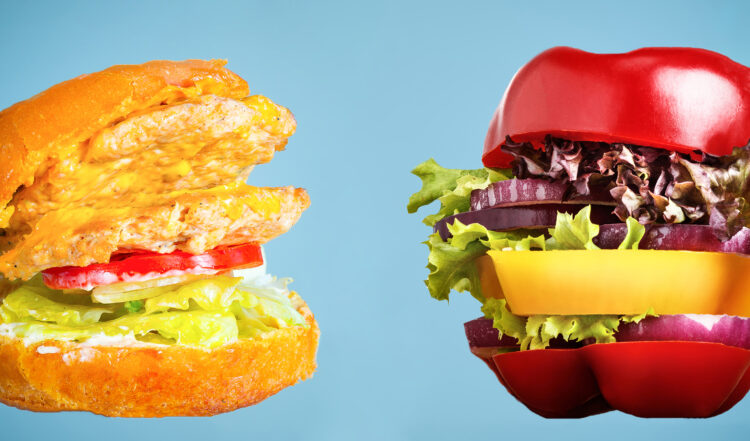
One of the study's most striking findings was that net absorbed calories vary widely depending on the composition of the diet. The researchers provided participants with two distinct regimens: a fiber-rich diet and a Western-style diet centered on processed foods.
The analysis revealed that while the fiber-rich diet accelerated SCFA production by feeding the microbiota, the total net calories absorbed by the human host were paradoxically lower. This occurs because gut microbes expend a substantial amount of energy for their own survival and replication as they ferment complex fibers. Essentially, as the microbes do more metabolic work, fewer final calories are passed along to the body.
The team noted that individuals consuming the Western-style processed diet absorbed about 116 more calories per day than those on the high-fiber diet, even though the high-fiber group reported feeling more satiated. This indicates that cultivating a healthy gut microbiome may be a far more effective strategy for combating obesity and managing weight than simply tracking raw calorie numbers on a label.
Taylor Davis, the study's first author, emphasized the long-term potential of the research: “DAMM is more than just a tool for analyzing diets; it is a framework designed to continuously evolve. As new knowledge accumulates about the interactions among diet, metabolism, and microbes, we will be able to integrate it into the model and advance it together.”