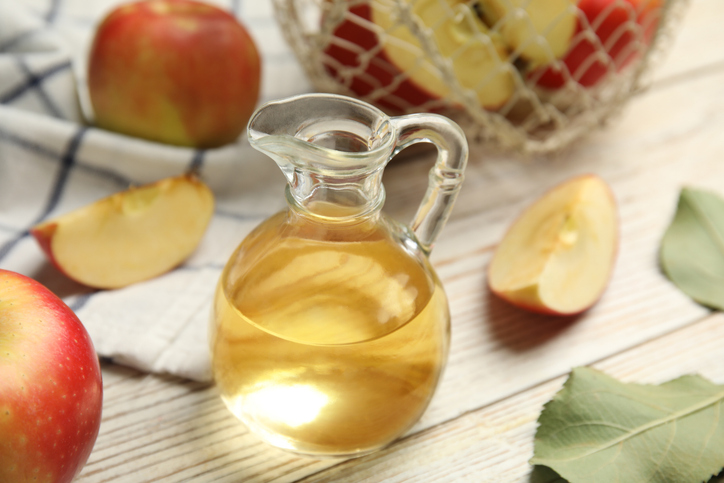
Science frequently advances by overturning human intuition. Just as Galileo corrected the long-held belief that heavy objects fall faster than light ones, and Einstein introduced the concept of relativity to time—which humanity had assumed flowed at a constant, universal rate—modern medicine continues to debunk deeply ingrained health myths. This human tendency to readily embrace claims that run counter to common sense may explain why so many people accept the dietary theory that vinegar, despite its sharp, sour taste, acts as an "alkaline" substance once absorbed to prevent the body from becoming acidic.
For years, vinegar served as the ultimate poster child for a simplistic dietary dichotomy that classifies foods strictly as either acidic or alkaline. While the mainstream craze surrounding apple cider vinegar has cooled, the underlying obsession with alkaline ingredients routinely resurfaces in wellness media. Modern health articles continue to reflexively praise plums, wild chives, and cucumbers simply for being "alkaline foods," perpetuating a fundamental misunderstanding of human physiology.
The Historical Roots of a Dietary Misconception
The systemization and popularization of this food binary traces back to Ragnar Berg (1873–1956), a Swedish biochemist and nutritionist who worked in Germany. Berg linked various "diseases of civilization"—including gout, obesity, arthritis, and diabetes—to an imbalance between acidity and alkalinity in the body. Operating under the belief that retained acidic substances disrupt normal physiological functions, and assuming the human body inherently produces more acid than alkali, Berg argued that optimal health requires a heavy compensation of alkaline foods. He recommended a strict dietary composition of 80% alkaline foods and 20% acidic foods, championing fruits, vegetables, and milk while urging people to restrict their intake of meat, eggs, nuts, and grains.
The scientific criterion Berg used to divide these categories was based on the mineral ash remaining after a substance is chemically burned. If the residue contains an abundance of anions—such as phosphorus, sulfur, and chlorine—it is classified as an acidic food. If the ash contains a high concentration of cations—such as sodium, calcium, and potassium—it is deemed alkaline.
Because vinegar cannot be burned directly in this manner, its classification was instead judged by the carbon dioxide and water left behind after metabolic breakdown. When carbon dioxide dissolves in water, it forms carbonic acid. Therefore, strictly speaking, vinegar is acidic both in its physical taste and its post-metabolic properties. However, within this flawed dietary framework, early proponents classified vinegar as alkaline because carbon dioxide is a gas easily expelled by the lungs, leading them to believe it posed no acidic burden to the body.
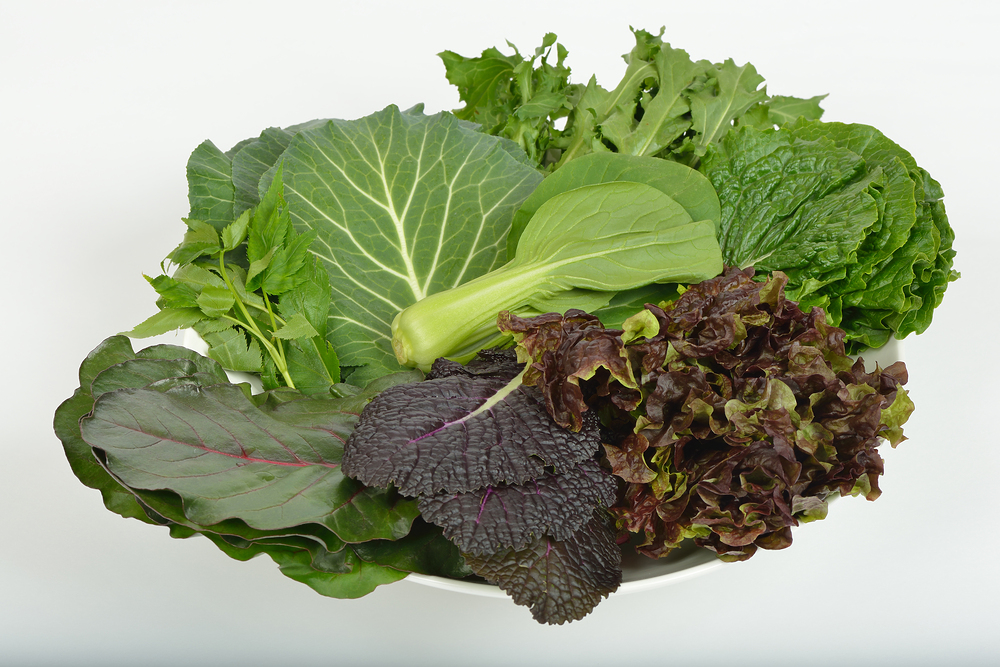
This entire dietary concept fundamentally distorted the historical experiments of French physiologist Claude Bernard (1813–1878). Bernard originally measured the changes in animal elimination, noting that rabbits excreted alkaline urine when consuming a plant-based diet, but shifted to acidic urine when fed meat. By the time these observations were interpreted by Berg, the nuanced science of metabolic waste had been systematically oversimplified into a rigid moral dichotomy: acidic foods are inherently bad, and alkaline foods are inherently good.
How the Body Tightly Regulates pH Independent of Diet
In reality, Bernard’s experiments demonstrated something entirely different: the remarkable efficiency of animal homeostasis. When an organism consumes foods that generate acidic byproducts during metabolism, the body actively excretes those compounds to maintain a perfectly stable hydrogen ion concentration (pH) in the blood. In medical terms, a pH below 7.0 is considered acidic, while a pH of 7.0 or above is alkaline. The exact same regulatory mechanisms apply when handling alkaline inputs.
Human blood pH is exceptionally tightly regulated within a narrow window of 7.3 to 7.4, primarily managed by the kidneys and the lungs. The lungs maintain this delicate balance by adjusting the exhalation of carbon dioxide; if blood pH begins to rise, respiration automatically slows to retain more carbon dioxide and restore balance.
While Berg warned exclusively against the dangers of the body becoming too acidic (acidosis), the opposite state—alkalosis—is equally dangerous. Alkalosis occurs when blood pH climbs above 7.45. While mild cases may be asymptomatic, severe alkalosis causes tingling sensations, nervousness, muscle rigidity, cramps, and cognitive impairment. The accompanying electrolyte imbalances can trigger dangerous cardiac arrhythmias and a decreased state of consciousness. Conversely, clinical acidosis presents with rapid breathing, shortness of breath, headaches, tremors, reduced cardiac contractility, and low blood pressure.
Crucially, neither state is triggered by the foods you eat. Alkalosis typically stems from specific medical events, such as severe vomiting—where hydrochloric acid from gastric juice is lost—or the heavy use of diuretics. Acidosis is driven by systemic conditions like kidney damage or uncontrolled diabetes, where the liver produces excessive, strongly acidic ketone bodies like acetoacetic acid and beta-hydroxybutyric acid.
The nutritional components of whole foods are far too complex and diverse to be reduced to a binary chemical label. Eating "acidic" foods will not turn your blood acidic, nor will loading up on "alkaline" choices alter your internal chemistry. Rather than obsessing over a scientifically meaningless dietary dichotomy, the true path to long-term health lies in eating a balanced variety of foods and practicing mindful moderation to avoid overeating.