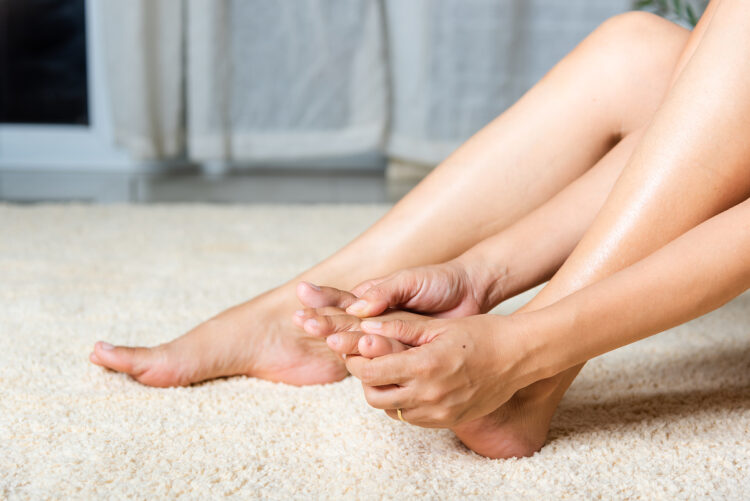
Mr. A, an office worker in his early 30s, found himself groaning in pain on the first night of a long-awaited overseas trip. The sensation in his big toe was so excruciating it felt as if shards of glass had been driven into the joint. He never suspected that the celebratory beers from the night before would lead to a diagnosis of gout at just 33 years old.
A Generational Shift in the "Chairman’s Disease"
Gout was once considered an ailment of affluent, middle-aged men known for overindulgence. However, the demographic is shifting rapidly. Data from the Health Insurance Review & Assessment Service shows that gout patients in Korea increased by over 18% between 2020 and 2024, surpassing 550,000 cases.
Remarkably, more than 25% of these patients are now in their 20s and 30s. The condition occurs when uric acid concentrations in the blood become abnormally high, forming needle-sharp crystals that burrow into joint tissues. The resulting inflammation is so intense that even a light breeze can cause a patient to scream in pain.
On health screening reports, the key indicator is the serum uric acid level (UA). The normal range is typically 7.0 mg/dL or lower for men and 6.0 mg/dL or lower for women. Levels exceeding these markers are classified as hyperuricemia, with full-blown gout flares often occurring when levels reach 9–10 mg/dL.
The Pincer Attack: Delivery Food and Extreme Fitness
Experts attribute this surge among the youth to two paradoxical cultural trends:
High-Purine Diets: The popular "chicken and beer" culture is a major culprit. Beer is rich in purines, which the body converts into uric acid. Greasy fried foods can inhibit the excretion of this acid, while the liquid fructose found in sodas actively promotes its production in the liver.
The Pursuit of the "Body Profile": Ironically, some efforts to get healthy can trigger the disease. Overusing protein supplements or undergoing rapid dehydration for fitness photoshoots can cause uric acid levels to spike. Furthermore, sudden high-intensity exercise can cause muscle cells to break down, releasing purines into the bloodstream and pulling the trigger on a flare.
Management Beyond the Pain
Diagnosing gout involves blood tests and, in some cases, aspirating synovial fluid from the joint to identify crystals. Treatment is handled in two stages:
Acute Phase: Utilizing anti-inflammatories, colchicine, or steroids to suppress the immediate flare.
Long-term Management: Using urate-lowering therapies (such as allopurinol or febuxostat) to maintain levels below 6.0 mg/dL.
Cho Hyun-ik, Director of the Joint Center at On Hospital in Busan, warns that many young patients stop treatment once the pain subsides. "Even when there is no pain, urate crystals continue to accumulate," Cho explains. Left untreated, this can lead to permanent joint deformity and systemic complications like kidney stones or chronic kidney failure.
Three Principles for Long-term Care
Because gout is a chronic condition, consistent management is the only cure.
Hydration is Treatment: Drinking at least 2 liters of water daily helps the kidneys flush out uric acid.
Sustained Moderation: Consistency is more effective than temporary abstinence. Reducing alcohol and fructose-laden beverages is essential.
Steady Aerobic Exercise: Opt for consistent, moderate activity over extreme weight loss or high-intensity bursts to maintain a healthy weight and normalize acid levels.
If a joint—particularly the big toe or ankle—suddenly becomes swollen, red, and hot, it should not be ignored. Seeking early medical intervention is the best way to prevent a one-time flare from becoming a lifelong burden.