
Even when infected, the body often provides no clear warning signs. Yet, decades later, the heart can deteriorate severely. On April 14—World Chagas Disease Day—the World Health Organization (WHO) once again drew global attention to this "silent epidemic": Chagas disease.
Heart damage after decades of latency
Chagas disease is caused by the parasite Trypanosoma cruzi. It is primarily transmitted to humans through the feces of infected triatomine bugs—often called "kissing bugs"—after they bite. In endemic areas, transmission can also occur via blood transfusions or organ transplants.
Early symptoms are often mild, such as fever or fatigue, and frequently go unnoticed. The true danger lies in the long-term latency: approximately 20–30% of infected individuals develop cardiac complications decades later. This can include a weakened heart muscle, arrhythmias, heart failure, and in severe cases, sudden cardiac death. In the case of Chagas, the window of feeling "sick" is far shorter than the time the infection remains hidden.
Why WHO defines it as a 'Silent Epidemic'
This year, the WHO emphasized that early detection and expanded treatment access are top priorities. Because the disease can remain asymptomatic for decades, the vast majority of infected people remain undiagnosed.
While other diseases like tuberculosis or hepatitis B and C also feature long latent periods, Chagas is unique. It is a parasitic infection where the pathogen persists within the body, causing cumulative, direct damage to the heart muscle. It is best understood not as a disease discovered late, but as an infection that stays hidden until its consequences become irreversible.
An environment-driven condition
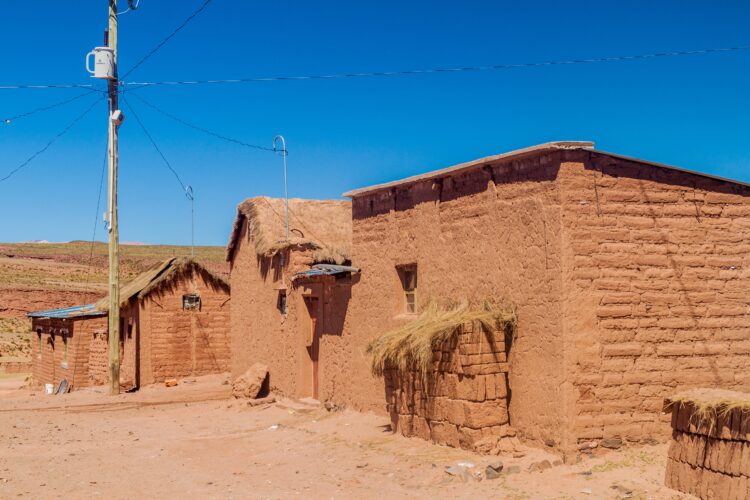
First identified by Brazilian physician Carlos Chagas on April 14, 1909, the disease currently affects an estimated 6 to 7 million people worldwide. It is closely tied to specific living conditions in rural Latin America. In homes with mud walls or thatched roofs, triatomine bugs can easily nest, leading to prolonged human exposure.
While infections in travelers have been reported, these cases almost exclusively involve long-term visitors, such as researchers or volunteer workers, who spent significant time in rural settings. The risk for a typical tourist on a standard itinerary is considered very low.
Lodging determines the risk
As interest in long-term travel to Latin American landmarks like Iguazu Falls, the Uyuni Salt Flats, and Machu Picchu grows, understanding the specific risks is essential. The likelihood of exposure is determined more by the living environment than the destination itself.
Low Risk: Urban hotels or well-managed accommodations with modern construction.
Higher Risk: Rural stays, traditional homes with mud or wood structures, and settings without adequate insect-proofing or pest control.
Prevention and treatment
Currently, there is no vaccine available for Chagas disease. Prevention relies entirely on avoiding contact with the vector insects.
Medical treatment involves antiparasitic drugs such as benznidazole and nifurtimox. While these are highly effective during the early acute stage, their efficacy diminishes once the infection has transitioned into the chronic phase and organ damage has progressed. In parts of Latin America, Chagas cardiomyopathy remains a leading cause of infectious heart disease. Ultimately, the course of this disease is determined not when symptoms appear, but during the silent years when it is already progressing within the heart.