Why does memory fade and the mind slow as the years pass? Addressing this ancient question, a U.S. research team has identified a specific molecule that may drive brain aging: a protein called Ftl1 (ferritin light chain 1).
When levels of Ftl1 rise in the aging brain, neurons fail to form the dense connections required for a sharp memory. However, in a landmark study, reducing this protein in older mice allowed weakened neuronal connections to recover and cognitive function to improve. These findings suggest that we may not only be able to slow brain aging but potentially reverse the course of functional decline itself.
Ftl1: The Silent Disruptor in the Hippocampus
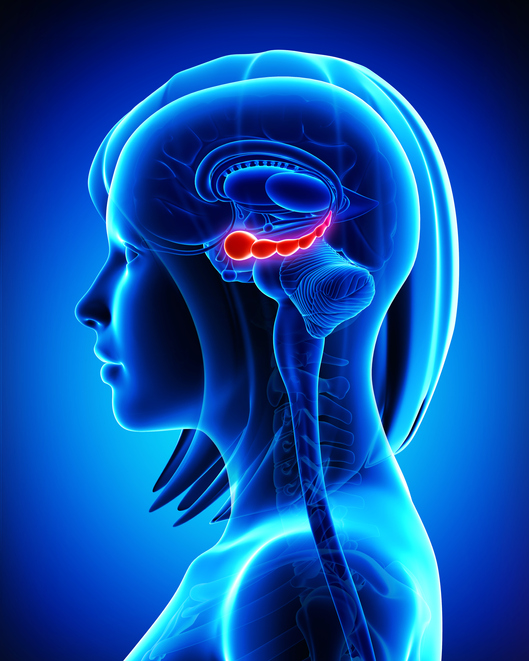
The study, led by Dr. Saul A. Villeda and first author Laura Remesal at the University of California, San Francisco (UCSF), was published in Nature Aging on August 19, 2025. The researchers focused on the hippocampus—the brain’s primary hub for learning and memory and an area highly sensitive to the passage of time.
By comparing the hippocampi of young and old mice, the team identified Ftl1 as a standout factor. While this protein is naturally involved in iron storage and metabolism, it was found at significantly higher levels in older brains.
High Ftl1 Levels Weaken Brain Connectivity
To determine if Ftl1 actively drives decline rather than just being a byproduct of age, the team artificially increased Ftl1 levels in young mice. The results were striking:
Synaptic Loss: The connections where neurons exchange information decreased.
Memory Impairment: Long-term potentiation—the process crucial for forming new memories—declined.
Structural Decay: In cell experiments, neurons overproducing Ftl1 became simpler, with shorter branches and a diminished capacity to form networks.
Essentially, increasing Ftl1 in a young brain induced the functional and structural "frailty" typically seen in aged brains.
Reversing the Clock: Recovery Through Gene Suppression
The study’s most significant finding came when researchers used gene suppression to reduce Ftl1 expression in the hippocampi of older mice. Following the intervention:
Synaptic Recovery: Markers related to healthy synapses increased.
Functional Gains: Connections between neurons showed clear signs of restoration.
Cognitive Improvement: Older mice performed significantly better on memory-based behavioral tasks.
The researchers interpreted this as evidence that brain function is more plastic than previously thought; modulating a single molecular target could move the needle from decline back toward recovery.
Impact on Energy Metabolism
Further analysis via RNA sequencing revealed that Ftl1's impact extends beyond iron storage. High levels of the protein were linked to disrupted cellular energy metabolism, specifically ATP synthesis. In the hippocampi of older mice, elevated Ftl1 slowed down how brain cells produce and use energy. Conversely, boosting metabolism helped alleviate some of the negative changes caused by the protein, suggesting a complex link between iron levels and the brain's "power plants."
The Road to Human Treatment
While the results are groundbreaking, experts urge caution. As a preclinical study conducted on mice, more research is needed to confirm if regulating Ftl1 will have the same effect on human aging or neurodegenerative conditions like Alzheimer’s. Furthermore, since Ftl1 is vital for iron management, the long-term effects of modulating it must be thoroughly vetted.
Nevertheless, the study shifts the narrative on aging. Memory loss, once considered an unavoidable fate, may soon be viewed as a treatable condition. Ftl1 has emerged as a primary clue in our quest to ensure that living longer also means living with a clear and vibrant mind.
Source: Targeting iron-associated protein Ftl1 in the brain of old mice improves age-related cognitive impairment. Nature Aging, 2025. DOI: 10.1038/s43587-025-00940-z.