BTS member Jimin recently shared the details of how he successfully lost 10 kg, emphasizing a shift away from the extreme measures of his past.
On the 2nd, a video featuring Jimin and Jungkook was released on Choo Sung-hoon’s YouTube channel. Filmed prior to their comeback, the idols were seen relaxing at a jjimjilbang (Korean sauna), enjoying grilled samgyeopsal (pork belly), and taking a much-needed break.
When asked about his recent physique, Jimin explained, “During the song camp in Los Angeles, I ate whatever I wanted. After returning to Korea, I began dieting.” Jungkook characterized Jimin’s current regimen as “low-carb, low-fat, and high-protein,” noting the importance of including meat in a healthy plan.
Jimin reflected on his change in philosophy: “I’ve tried not eating at all many times, but I don’t think I can do that anymore. It’s too hard. That was something I could do when I was younger.”
Having previously shared on Weverse that he gained 10 kg following his discharge last June, Jimin kept his promise to fans to return to his peak form through disciplined eating and strength training. At the comeback performance for “ARIRANG” held at Gwanghwamun Square on the 21st of last month, he thrilled the ARMY with his lean physique and fluid dance lines, confirming his current weight is 59.7 kg.

The Science of Low-Carb, High-Protein Dieting
A low-carb, high-protein diet generally involves reducing carbohydrate intake to between 50g and 130g per day while increasing protein to 1.2–1.6g per kilogram of body weight. This approach promotes satiety and helps preserve muscle mass.
According to research from the University of Copenhagen, individuals following this regimen lost an average of 3 kg more over one year than those on a standard low-fat, high-carb diet. High protein intake supports fat loss and improves metabolic markers such as blood triglycerides.
When combined with strength training—a staple for BTS members—the effect is amplified. Protein facilitates muscle synthesis, which raises the basal metabolic rate and makes long-term weight maintenance significantly easier. Studies suggest this combination is twice as effective at preventing the "rebound" weight gain common in other diets.
Critical Points for Long-Term Health
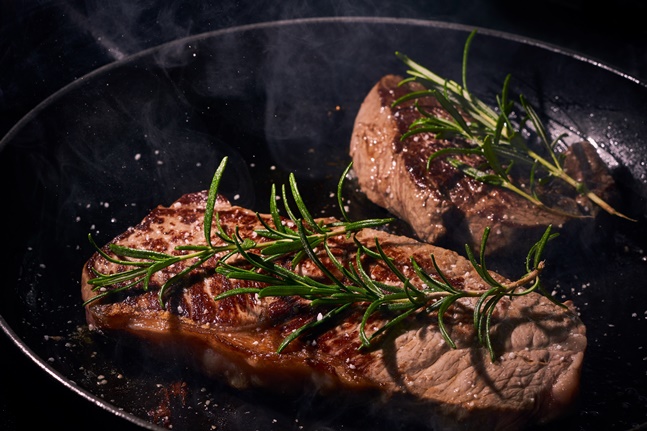
While effective for short-term goals, extreme carbohydrate restriction over the long term carries risks, including a potential increase in cardiovascular and metabolic strain. Additionally, while red meats like beef and pork are protein-dense, excessive intake can be linked to colorectal cancer. Experts recommend diversifying protein sources to include chicken breast, fish, beans, tofu, eggs, and low-fat dairy.
Why "Starvation Diets" Fail as You Age
Jimin’s observation that he can no longer skip meals reflects a biological reality. In youth, the body tends to burn fat more readily during caloric deficits. As we age, the body may break down muscle first, causing the basal metabolic rate to decline. This increases the risk of rebound weight gain, osteoporosis, and—in those with underlying conditions like diabetes—hypoglycemic shock.
For adults, especially those approaching their 30s and beyond, experts advise against skipping meals. Instead, one should focus on nutritionally balanced meals with protein distributed evenly throughout the day. This approach ensures that weight loss comes from fat rather than the muscle mass essential for a long, healthy life.