More than 10 years have passed since the tragic death of the late singer Shin Hae-chul. Since 2019, when surgery for severe obesity became covered by National Health Insurance, it has been recognized as an "essential, life-saving treatment" for patients with morbid obesity.
Yet, despite the high risks—including the possibility of serious complications—patients still tend to rely on a hospital’s name recognition or a superficial "certification mark." It is time to look past flashy advertising and scrutinize the actual "team" and infrastructure that will protect you if something goes wrong.

High-Risk Surgery, Low-Level Support: The Dangerous Gap in Hospital Infrastructure
The government classifies metabolic and bariatric surgery as a "specialized disease group" (DRG-A), placing it on the same level as gastric cancer surgery. This indicates that the medical risks of the procedure are considered exceptionally high.
In reality, both sleeve gastrectomy—where the stomach is resected into a banana-like shape—and gastric bypass—where the upper stomach is separated and connected to the small intestine—are highly complex reconstructive surgeries that fundamentally reorganize human anatomy. Patients with severe obesity often have a thick layer of intra-abdominal fat, which can obscure visualization for surgeons. If leakage or bleeding occurs where organs are reconnected, the condition can rapidly deteriorate into life-threatening peritonitis or sepsis.
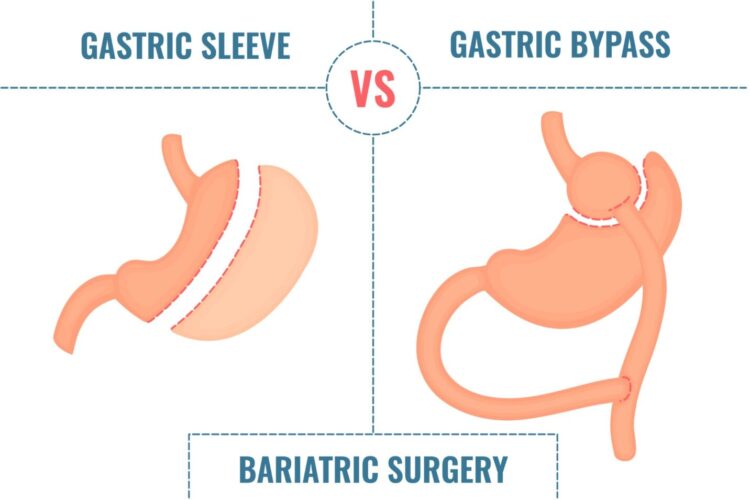
Because the procedure is so technically demanding, it can only be performed safely at tertiary referral hospitals (47 nationwide) or regional hub "comprehensive secondary general hospitals" equipped with surgical ICUs and emergency response systems.
While the Korean Society for Metabolic and Bariatric Surgery issues certifications for physicians and institutions, critics argue these reviews often focus on a "checklist" rather than the completeness of the overall system. A local clinic may hold a certification, but whether it can activate a tertiary-level emergency system—such as ECMO, dialysis, or a 24-hour vascular surgery team—during a cardiac arrest is an entirely separate issue.
Warning Signs Hidden Behind Marketing
Patients must remain vigilant against hospitals that emphasize a "cosmetic approach" or "speed."
Caution 1: Same-day discharge and scar-focused messaging The essence of metabolic surgery is internal organ reconstruction. Facilities that pressure patients to leave without sufficient time to monitor for leaks or blood clots—which often occur within 48 hours—or those focusing on "no-scar" marketing are likely underestimating the gravity of a DRG-A-level operation.
Caution 2: Solo operating without multidisciplinary care If a hospital promotes only the reputation of a single surgeon and skips preoperative screenings by internal medicine or psychiatry, it is likely fixated on "surgical volume" rather than the patient's metabolic health. Extra caution is needed when primary clinics use certification marks as their main marketing tool.
System Elements That Reveal True Capability
A large building does not guarantee safety, and a high number of cases does not always prove competence. Patients should verify that the following systems actually function:
Integrated Multidisciplinary Care: Does the hospital use a nationally recognized system where specialists from surgery, internal medicine, and psychiatry conduct in-person consultations?
24-Hour In-House Anesthesiologist: Is there always a specialist on-site who can immediately secure an airway or manage ventilatory support in an emergency?
Complication Management: If an emergency occurs, can the hospital provide reoperation and ICU care without transferring the patient elsewhere?
The Four Essential Questions to Ask Your Hospital
If a hospital’s responses to these questions are vague, the surest way to protect your life is to find another institution.
"Which specialists, besides the surgeon, meet together to discuss my case?"
"If an emergency happens at night, will an anesthesiologist respond immediately?"
"Can this hospital and its ICU treat a serious complication directly?"
"Do you have a dedicated dietitian and coordinator to manage my lifestyle before and after surgery?"
Metabolic and bariatric surgery is a beginning, not an end. The discernment to choose a hospital that functions as a true "team" is the key to preventing a repeat of past tragedies.
Summary
Essential Questions: Verify multidisciplinary care, 24/7 anesthesiology coverage, and ICU availability.
Surgery Classification: High-complexity surgery (DRG-A), equivalent to cancer surgery risks.
Selection Criteria: Prioritize in-house infrastructure and a team-based approach over simple certification marks.
Warning Signs: Be cautious of clinics focusing on cosmetic benefits or same-day discharge.
Recommended Model: Tertiary referral hospitals or comprehensive secondary general hospitals.