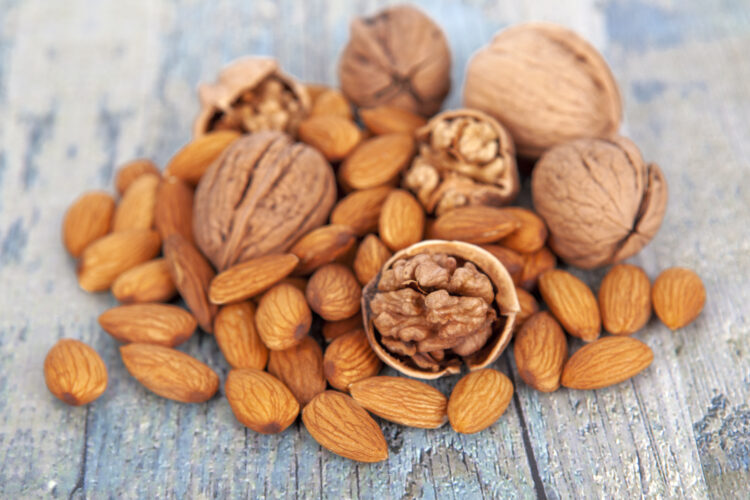
When it comes to healthy snacking, almonds and walnuts are the undisputed leaders. While both are nutritional powerhouses, they are far from identical. Almonds are prized for their protein and antioxidant content, whereas walnuts are defined by their high levels of heart-healthy omega-3 fatty acids. Choosing the right one depends entirely on your specific health priorities and physical condition.
The Nutritional Breakdown: Protein and Vitamin E vs. Omega-3s
Almonds are an exceptional source of plant-based protein and vitamin E, a potent antioxidant that helps mitigate cellular damage and maintain skin elasticity. Furthermore, their high dietary fiber content supports a healthy gut microbiome and promotes prolonged satiety.
Walnuts, conversely, are rich in alpha-linolenic acid (ALA), a type of omega-3 fatty acid. Consistent intake of walnuts is linked to improved cardiovascular health, reduced systemic inflammation, and lower triglyceride levels. Because these fatty acids are essential for neurological function, walnuts are also frequently noted for their role in maintaining memory and cognitive health.
Weight Management: Satiety vs. Metabolic Health
If weight loss is your primary objective, almonds may offer a slight advantage. The combination of protein and fiber slows the rise of blood sugar after eating, helping you feel full longer and preventing overeating. As a snack, a small portion of almonds can be a strategic tool for appetite control.
While walnuts are higher in fat, the majority consists of polyunsaturated fats that may actually improve fat metabolism rather than contribute to weight gain. Research suggests walnuts can improve insulin sensitivity, making them a superior choice for those focusing on "metabolic health" rather than just the number on the scale. However, because both nuts are calorie-dense, intake should be limited to approximately one small handful per day.
Strategy for the 40s and 50s: Managing Inflammation and Muscle Mass
For those in middle age, managing vascular elasticity and chronic inflammation becomes a priority. At this stage, the omega-3s in walnuts are particularly beneficial for reducing blood viscosity and supporting smooth circulation.
Almonds remain vital during this period for a different reason: muscle maintenance. As natural muscle mass begins to decline with age, the plant-based protein in almonds helps support a healthy basal metabolic rate. For active middle-aged individuals, a diet that incorporates both provides a well-rounded defense against aging.
The Verdict: Why Mixing Is the Most Practical Choice
Neither nut is objectively "better" than the other; the choice depends on your goal. If you prioritize weight management and skin health, reach for almonds. If you are focused on heart health and anti-inflammatory benefits, walnuts are the better fit.
Most nutrition experts recommend a "mixed" approach. By consuming small amounts of both, you gain a broader spectrum of fatty acids and micronutrients, ensuring an efficient and balanced nutritional intake.