An artificial intelligence program capable of analyzing routine mammogram images may soon serve a dual purpose: screening for breast cancer while simultaneously predicting cardiovascular disease. According to researchers at the Emory University School of Medicine, this AI-driven approach could lead to an integrated health program that identifies life-threatening cardiac risks without requiring patients to undergo additional testing or incur extra costs.
Linking Breast Artery Calcification to Heart Health
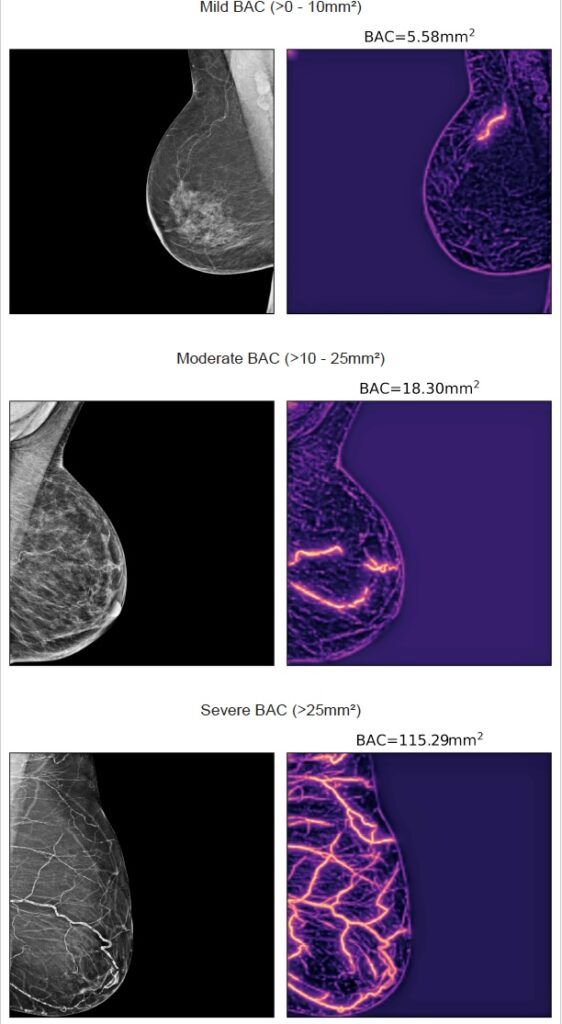
The research team, led by Dr. Harry Trivedi in Atlanta, focused on breast arterial calcification (BAC)—calcium deposits within the mammary arteries that are clearly visible on standard X-ray mammograms. These deposits are a hallmark of atherosclerosis, a condition where vessels become narrow and stiff due to cholesterol and calcium buildup. Because atherosclerosis is a systemic issue, calcification in the breast is a significant indicator of potential blockages in the heart and brain, which can lead to heart failure, heart attacks, and strokes.
The study analyzed data from 123,762 women who underwent breast cancer screenings. The researchers used AI to categorize the degree of arterial calcification into four tiers: severe, moderate, mild, or none. By cross-referencing these images with the patients' medical histories, the team established a direct correlation between calcification levels and the incidence of cardiovascular events.

Severe Calcification Linked to Triple the Disease Risk
The results, published in the March 9 issue of the European Heart Journal (EHJ), revealed a staggering escalation in risk based on the AI's findings. Compared to the group with no calcification:
Mild calcification was associated with a 30% increase in cardiovascular risk.
Moderate calcification saw the risk jump by over 70%.
Severe calcification increased the likelihood of a major cardiac event by 200% to 300%.
In an interview with The Independent, Dr. Trivedi noted that these findings remained consistent even for women under the age of 50, a demographic typically considered "low risk" by traditional cardiovascular screening standards.
Closing the Gender Gap in Heart Health
The clinical implications of this study are vast. Currently, a significant gender gap exists in the proactive treatment of heart disease. In a commentary accompanying the paper, Professor Lorie Daniel of the University of California, San Diego, pointed out that while nearly 70% of women in the U.S. and EU undergo regular mammography, fewer than 40% are aware of their cholesterol levels.
"Healthcare policymakers could consider ways to integrate breast cancer screening with cardiovascular disease prediction programs based on these findings," Dr. Trivedi stated. He emphasized that because the data is already captured during a mammogram, an integrated AI program could benefit tens of millions of women without the need for new appointments or invasive procedures. The Emory team is now planning clinical trials to validate this integrated model, which they believe could identify thousands of at-risk patients who currently slip through the cracks of the healthcare system.