Sudden cardiac arrest is a "brink of death" emergency where every second dictates the boundary between life and loss. Nationwide, the odds are grim: fewer than one in ten patients who suffer cardiac arrest outside a hospital survive to be discharged. However, Busan On Hospital recently reported a resuscitation rate of 40%—more than four times the national average. This striking disparity raises a critical question: what is this hospital doing differently?
National Average 9.2% vs. On Hospital 40%
According to the latest statistics from the Korea Disease Control and Prevention Agency (KDCA), the average survival rate for out-of-hospital cardiac arrest patients transported by 119 emergency services is approximately 9%. Statistically, if ten patients arrive at an emergency room with a stopped heart, only one is likely to leave alive.
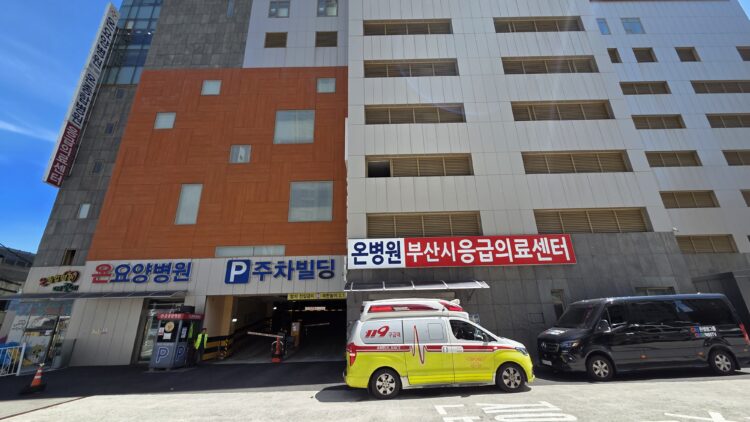
In contrast, the Busan On Hospital Regional Emergency Medical Center recorded significantly higher figures. In 2025, the hospital treated 130 cardiac arrest patients, successfully resuscitating 52 of them for an annual average of 40%. The performance peaked in the second half of the year, with resuscitation rates hitting 66.7% in June and a remarkable 71.4% in October. These figures suggest that the hospital’s success is not a matter of luck, but the result of a robust, evolving system.
Capturing the "Four-Minute Golden Time"
The outcome of cardiac arrest is determined within a "golden time" of roughly four minutes. Without immediate interventions like chest compressions, defibrillation, and airway management, the risk of permanent brain injury becomes nearly certain, even if the heart is eventually restarted.
On Hospital attributes its success to a workflow designed to "connect everything without delay." Board-certified emergency physicians are on-site 24/7 to make split-second decisions regarding ECG monitoring and defibrillation. Meanwhile, nurses and technicians undergo repeated, standardized training to ensure high-quality CPR.
The cornerstone of their approach is a multidisciplinary "Team CPR" system. The moment a patient arrives, specialists from cardiology, cardiothoracic surgery, and critical care medicine are summoned simultaneously. By dividing roles among specialists within the first few minutes, the hospital ensures that no single physician carries the burden of the entire resuscitation process.
Beyond the Numbers: A Model for Regional Care
At a time when the "ER carousel"—where ambulances circle between hospitals unable to accept critical patients—has become a national crisis, the gap between a 9.2% and 40% survival rate is profound. Delays in the ER are often fatal for cardiac arrest patients, making the "last line of defense" provided by regional centers even more vital.
The On Hospital case provides a potential roadmap for improving regional emergency care. It demonstrates that with 24/7 staffing, a multidisciplinary framework, and a system dedicated to protecting the golden time, it is possible to bring four out of ten patients back from the brink.
"A 40% resuscitation rate for cardiac arrest patients is the result of a seamless 24-hour emergency medical system, not just individual dedication," said Shin Woo-sung, Director of the On Hospital Regional Emergency Medical Center, on March 9. "We will continue to strengthen our response capabilities as the final safeguard for the citizens of Busan."