As families prepare for long-distance travel during the Lunar New Year holiday, medical experts are issuing a vital warning to parents of infants: keep the baby’s head stable. While the excitement of the holiday often involves long drives and family gatherings, the physical stress of travel can put young children at risk for Shaken Baby Syndrome (SBS), a condition that can lead to critical illness or permanent disability.
What is Shaken Baby Syndrome?
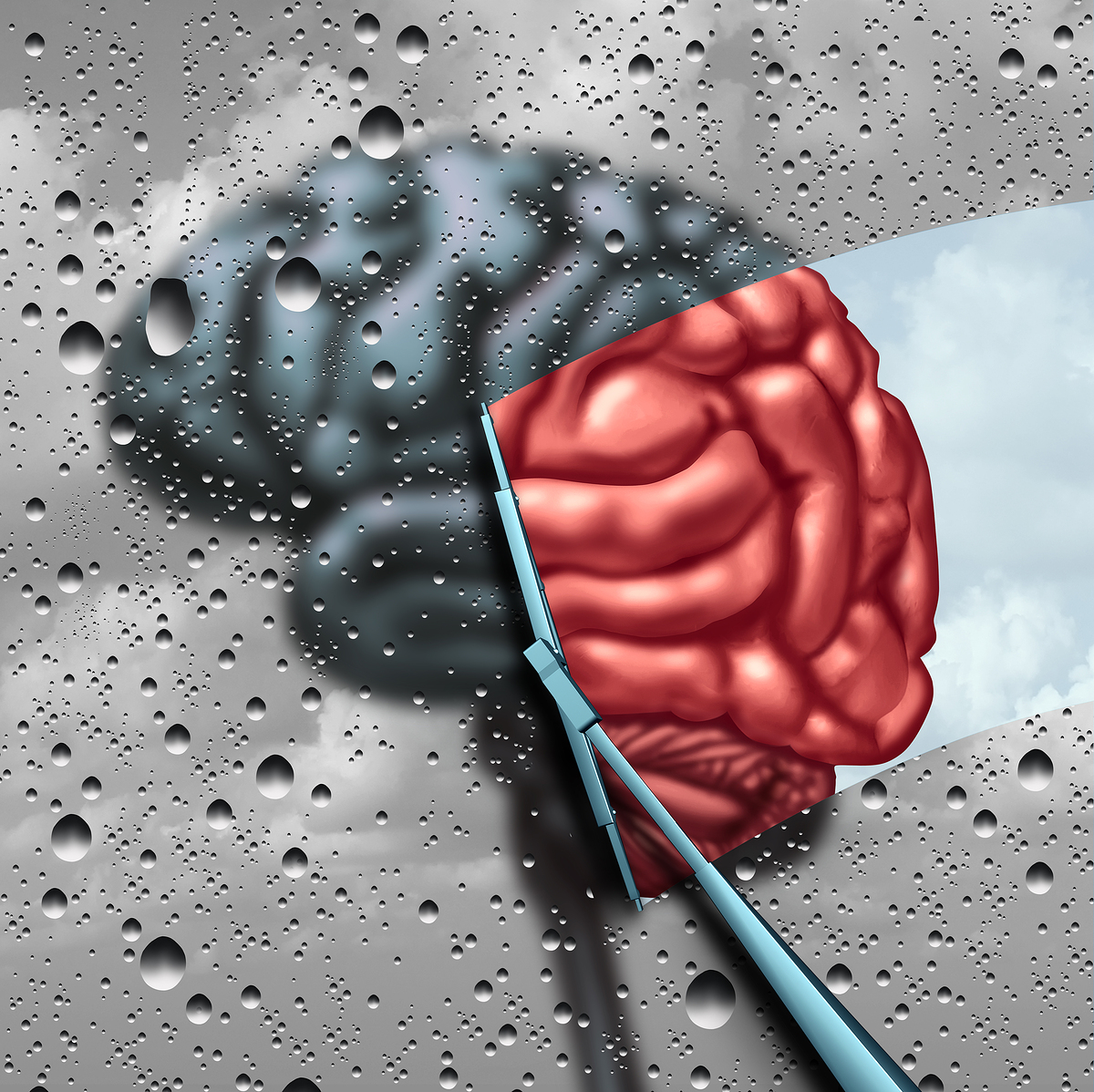
Shaken Baby Syndrome is a serious brain injury resulting from forcefully shaking an infant or toddler. It primarily affects children under the age of two, whose neck muscles are not yet strong enough to support their disproportionately large, heavy heads.
Because an infant’s skull is fragile and the brain is soft, repetitive shaking causes the brain to strike the inside of the skull. This motion can lead to internal bleeding (subdural hematoma), bruising, and massive swelling.
Recognizing the Warning Signs
The symptoms of SBS are not always immediate and can sometimes be mistaken for common ailments like a cold or indigestion. Parents should be vigilant for the following signs:
Vomiting and lethargy
Loss of consciousness or seizures
Eye tremors or retinal hemorrhaging
Unexplained, persistent crying
Difficulty breathing
Symptoms can manifest anywhere from a few days to several months after the trauma occurs. In severe cases, the syndrome results in long-term neurological damage, developmental delays, or death.
High-Risk Activities and Real-World Dangers
While SBS is frequently associated with intentional child abuse, it can also be triggered by reckless physical activity. Last month, a runner participating in an international marathon in Hong Kong was charged with child abuse after carrying a newborn in a chest carrier during the race; the constant jarring motion of the run caused the infant’s head to shake uncontrollably.
Even common "play" can be hazardous. Experts warn against "airplane games"—lifting a newborn high into the air—or tossing a baby upward, as these movements can easily trigger the syndrome.
Prevention Tips for Long-Distance Drivers
For those traveling by car this holiday season, the constant jolting of a vehicle poses a specific risk. To ensure your child’s safety, consider the following precautions:
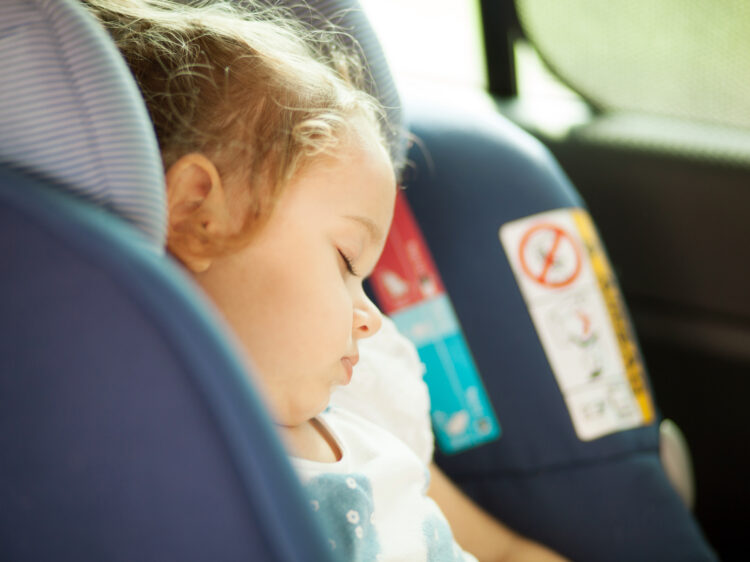
Secure the Head: For infants under 12 months, use a properly fitted, rear-facing car seat that provides specific stabilization for the head and neck.
Smooth Driving: Avoid sudden stops, rapid acceleration, and sharp turns, which can cause a child's head to whip back and forth.
Frequent Breaks: Stop regularly at rest areas to remove the child from the car seat, check their responsiveness, and allow them to rest in a flat position.
By prioritizing head stability and cautious driving, parents can ensure that the journey home remains a safe one for the family's youngest members.