

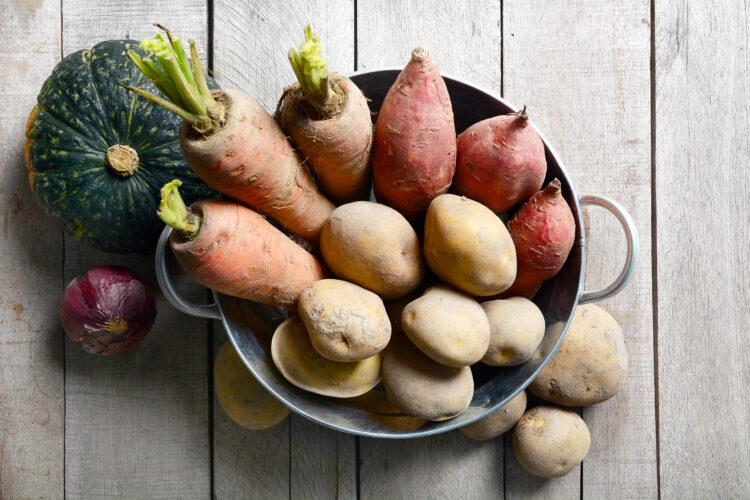
If you have ever embarked on a diet, you have likely heard the advice: "It’s okay to eat as many vegetables as you want." For the most part, this is true; most vegetables are low in calories and packed with fiber, making them ideal for weight management. However, not all vegetables fall into this "unlimited" category. Some are surprisingly high in carbohydrates or can cause rapid blood sugar spikes, leading to weight gain if consumed without portion control.
Nutrition experts particularly warn against treating starchy vegetables as a primary staple rather than a side dish. If you consume them excessively simply because they are "vegetables," your daily carbohydrate intake can easily exceed your target. Successful dieting isn't just about counting calories; it's about managing blood sugar fluctuations and maintaining long-term satiety.
Potatoes and Sweet Potatoes: Vegetables or Carbohydrates?
While potatoes and sweet potatoes are botanically classified as vegetables, their nutritional profile is remarkably similar to white rice. High in starch, they are excellent energy sources, but during a diet, they should be treated as "carbohydrates" rather than "vegetables."
The way you prepare them matters, too. When baked or mashed, their glycemic index (GI) can rise, which may lead to shorter periods of fullness. The most common mistake is serving potatoes or sweet potatoes alongside rice, effectively doubling your carbohydrate intake. If you are dieting, it is best to use them as a replacement for rice rather than an addition to it.
Corn and Peas: The Sweet Trap
Corn and peas do contain dietary fiber and some protein, but they are relatively high in carbohydrates compared to leafy greens. Corn is especially deceptive; because it is easy to eat as a snack, many people overlook how much they are actually consuming. A single medium-sized ear of corn can provide as many carbohydrates as half a bowl of rice. Because they carry the image of a "healthy snack," it is easy to overindulge, which can stall your weight loss progress.
Carrots and Beets: The "Healthy Juice" Twist
Carrots and beets are celebrated for their vitamins and antioxidants. However, they are also naturally high in sugar. Consuming them in excess—especially in juice form—can lead to a significant spike in blood sugar. When these vegetables are juiced, the beneficial dietary fiber is removed, leading to faster sugar absorption. While eating them whole provides more satiety, you should still be mindful of the quantity to ensure your sugar intake remains balanced.
Squash: High Satiety, High Calorie
Squash is another vegetable with high starch content. Its natural sweetness makes it very palatable and easy to overeat, but it is a calorie-dense food that can raise blood sugar levels quickly. While squash can certainly be part of a healthy diet plan, pairing it with rice or other grains can easily push your meal over your daily calorie limit.
The takeaway? Just because something is a vegetable does not mean it belongs in the "all-you-can-eat" category. To reach your weight management goals, you must consider the type, the portion size, and the cooking method of every vegetable on your plate.











